Infrared Sauna and Skin Aging: Can Heat Therapy Protect Collagen and Elasticity?
Published: September 25, 2025
Last updated: December 17, 2025

If you care about healthy, youthful-looking skin, you’ve probably wondered how infrared sauna and skin aging actually interact 🧴🔥. Does regular heat exposure break down collagen and cause wrinkles—or can it support smoother, firmer skin over time?
The truth is more nuanced than “good” or “bad.” Infrared heat doesn’t work like ultraviolet (UV) light, which is a major driver of premature wrinkles and collagen breakdown according to dermatology sources such as Mayo Clinic and other medical organizations. Instead, infrared saunas create deep, gentle warmth that can influence circulation, cellular energy, and skin barrier function in different ways than sun exposure does.
This guide walks you through how skin aging works, what we currently know about infrared and collagen, and how to use an infrared sauna in a way that supports—rather than stresses—your skin. You’ll also see where an at-home sauna fits into an overall anti-aging strategy, and when to talk with a dermatologist 👩⚕️.
If you’re also evaluating which sauna style fits your home and budget, you can explore our science-backed 2025 Infrared Sauna Buyer’s Guide once you’ve finished this article.
How Skin Aging Changes Collagen, Elastin, and Elasticity
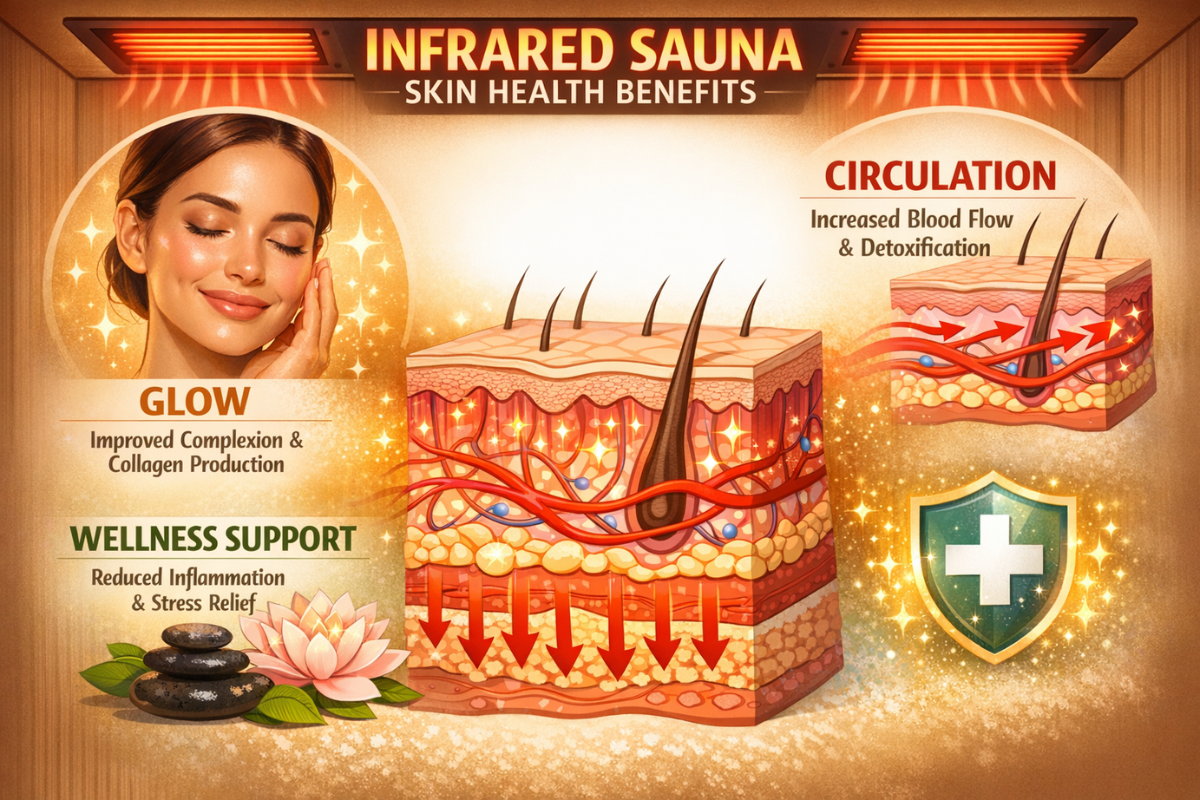
To understand how infrared sauna and skin aging fit together, it helps to zoom out and look at what actually changes in your skin over time.
In younger skin, a dense network of collagen and elastin fibers in the dermis gives skin its firmness, bounce, and ability to snap back after you smile or frown. As we age, the body gradually produces less collagen and existing fibers become fragmented and lower in quality, while elastin also deteriorates. This leads to thinner, drier, less elastic skin that shows fine lines and wrinkles more easily.
Key forces that accelerate skin aging
- Chronologic aging – the natural, slow decline in collagen production and repair capacity.
- UV exposure – ultraviolet light breaks down collagen and elastin, speeding wrinkle formation and sagging.
- Glycation and high-sugar diets – sugar molecules can bind to collagen, making it stiffer and more brittle.
- Smoking and pollution – oxidative stress further damages collagen and impairs blood flow to the skin.
- Hormonal shifts – especially post-menopause, when collagen levels drop more steeply for many women.
Medical organizations emphasize that sun protection, smoking cessation, and gentle skincare are still the primary levers for protecting collagen and elasticity over a lifetime. Infrared sauna sessions can complement this foundation, but they don’t replace sunscreen or healthy daily habits.
With that context in place, we can look more clearly at how infrared heat interacts with skin, circulation, and collagen activity—without overpromising “anti-aging miracles.” 😊
How Infrared Sauna Heat Interacts with Skin and Collagen

Infrared saunas use wavelengths that primarily warm the body from the inside out, rather than just heating the air. This deeper penetration produces a unique “from within” heat that feels gentler than a traditional sauna, while still triggering heavy sweating and a cardiovascular-style response.
Potential skin-related effects of infrared sauna sessions
- Improved circulation – Heat causes blood vessels to dilate, which can temporarily increase blood flow to the skin and deliver more oxygen and nutrients.
- Sweating and pore cleansing – Increased sweating may help loosen surface debris, excess oil, and dead skin cells.
- Changes in cellular energy – Some infrared and near-infrared wavelengths can influence mitochondrial activity, which is one proposed mechanism behind collagen and elastin support in light-based therapies.
- Nervous system relaxation – Reduced stress and better sleep indirectly support healthier skin barrier function and repair.
It’s important to distinguish between non-thermal photobiomodulation (low-level light therapy) and thermal infrared sauna sessions. Many skin-rejuvenation studies use specific low-power LED or laser devices at controlled doses, which are designed for facial treatment rather than whole-body heat exposure.
Infrared saunas overlap with some of these wavelengths but introduce a stronger heat load. That means you may see circulation and glow benefits, but you also need to manage session length, temperature, and hydration carefully so you don’t over-dry or irritate your skin.
What Research Suggests About Infrared, Skin Aging, and Collagen
Research connecting infrared sauna and skin aging is still emerging. Most of the direct collagen studies involve non-thermal red and near-infrared light therapy (PBM) rather than full cabin sauna sessions. Still, the principles offer insight.
Key scientific takeaways
- PBM studies show that specific wavelengths can encourage fibroblast activity, influencing collagen structure over time.
- Clinical LED facial trials frequently report improved smoothness and fine line appearance after weeks of consistent use.
- Circulatory heat effects from sauna may support skin hydration and nutrient delivery, offering indirect cosmetic benefits.
However, these results don’t mean sauna heat “rebuilds” collagen. Sauna wavelengths overlap with some PBM ranges, but the higher heat load means collagen effects are likely indirect. In real-world use, benefits tend to show as glow, hydration improvement, and better tone rather than dramatic wrinkle reversal.
As always, moderation matters. Very long or intense sessions could stress the skin instead of supporting it, especially in people with heat-sensitive conditions.
Short-Term Skin Effects: What to Expect After an Infrared Sauna
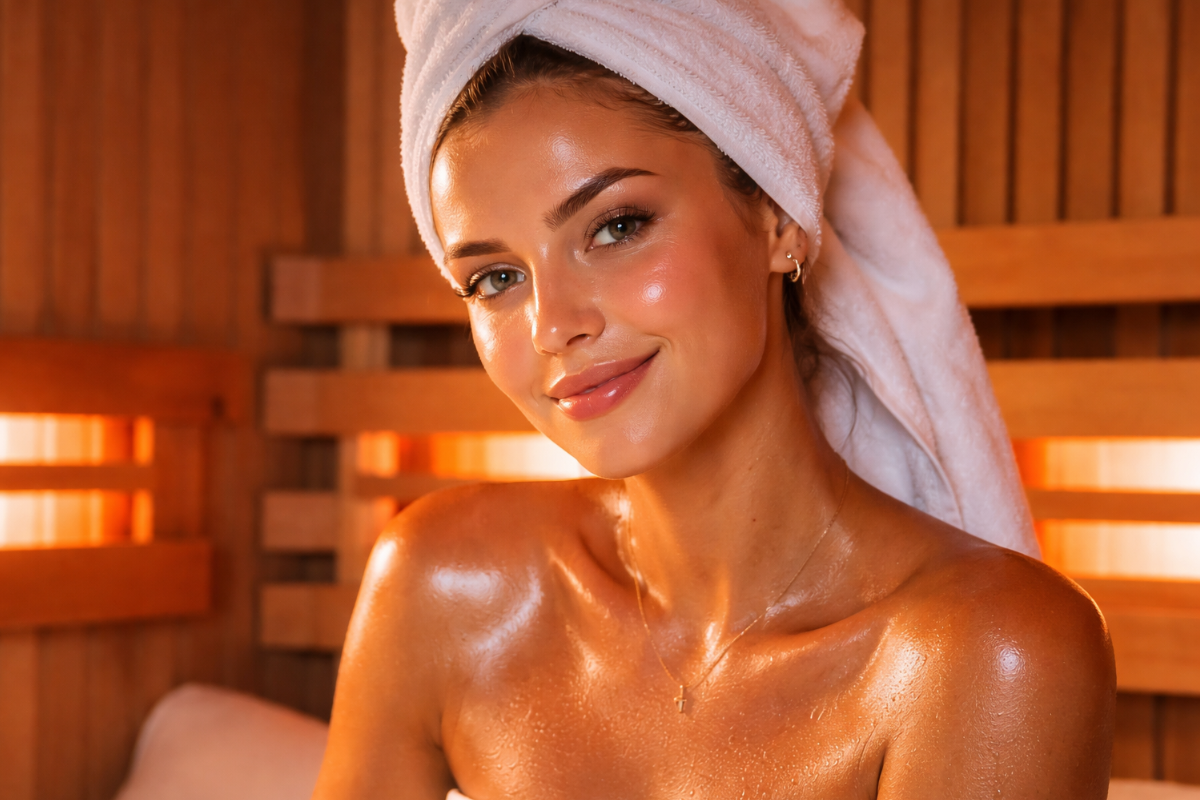
In the first hours after an infrared sauna session, most people notice surface-level changes more than deep, structural effects on collagen. Those micro changes still matter, because they influence how your skin feels and behaves over time 😊.
Common, normal short-term responses
- Increased glow and color – Thanks to vasodilation, your face may look pinker and more radiant right after a session.
- Softer skin texture – A combination of sweating and gentle heat can loosen surface build-up, making skin feel smoother to the touch.
- Temporary plumping – Heat-related swelling and better circulation can briefly soften the look of fine lines.
- Mild dryness or tightness – If you don’t rehydrate and moisturize, you may feel more “stripped” or tight afterward.
Red flags to pay attention to
- Stinging, burning, or persistent redness that lasts into the next day.
- Flare-ups of rosacea, eczema, or other inflammatory skin conditions.
- Peeling or worsening sensitivity around the eyes, neck, or chest.
If you notice these, scale back the temperature, duration, or frequency of your infrared sauna sessions. People with very reactive or barrier-compromised skin may need shorter, cooler sessions—or may decide to skip facial exposure and keep the head and neck outside the cabin.
Over many months, these short-term responses add up. Consistent, well-tolerated sessions can support a healthier skin environment; repeated overdrying and overheating can work against your collagen and elasticity goals.
Long-Term Impact: Can Infrared Sauna Support Collagen and Elasticity?
Infrared saunas may play a supportive role in long-term skin wellness, mostly by improving lifestyle factors. Benefits come indirectly—via stress relief, circulation, sleep, and routine building—rather than direct collagen stimulation.
- Stress reduction: Relaxation supports nightly repair cycles and may help the skin retain moisture.
- Circulation boosts: Better microcirculation can deliver nutrients important for collagen maintenance.
- Habit pairing: People often stack hydration, stretching, or skincare habits with sauna time.
At the same time, aggressive heat use can dry the skin or heighten redness. Any long-term benefit depends on comfort-based routines—not pushing high temperatures. Think of infrared sauna as one piece of a broader strategy that includes sun protection, gentle products, and consistent sleep.
For additional infrared health insights beyond skin, see our evidence page: Infrared Sauna Benefits.
When Heat Can Backfire: Skin Risks and Contraindications

Used thoughtfully, infrared sauna time can feel like a spa-grade ritual. Used carelessly, it can aggravate the very skin aging concerns you’re trying to improve. Safety and moderation always come first 🛑.
Heat-related skin issues to watch for
- Excessive dryness and tightness – High heat plus long sessions can strip natural oils and weaken the barrier, making wrinkles look deeper.
- Heat rashes – Occlusive clothing, residual skincare products, and heavy sweating may trigger prickly heat or clogged follicles.
- Flare-ups of chronic conditions – Rosacea, melasma, eczema, and certain autoimmune skin conditions may flare with aggressive heat.
- Exacerbation of UV damage – If you already have significant sun damage, the wrong heat exposure might accentuate redness and uneven tone.
General precautions
- Remove heavy makeup and SPF before your session to avoid clogged pores.
- Start with lower temperatures and shorter durations (e.g., 100–120°F / 38–49°C for 10–15 minutes) and build slowly.
- Skip sessions if you’re acutely sunburned, dehydrated, or feeling unwell.
- Talk with your dermatologist if you have a history of heat-sensitive skin disorders.
Remember: this article is informational and not medical advice. If you’re unsure whether infrared sauna use is appropriate for your skin history or medications, a brief conversation with a dermatologist or primary-care clinician is the safest path.
Infrared Sauna vs Other Skin Aging Therapies
Infrared saunas don’t exist in a vacuum. If your goal is to protect collagen and elasticity, it helps to see how they compare with other common skin-aging tools like topical retinoids, in-office procedures, and targeted light devices.
| Approach | Primary Target | Evidence for Collagen Support | Main Benefits | Key Considerations |
|---|---|---|---|---|
| Infrared sauna | Circulation, relaxation, whole-body warmth | Indirect; overlaps with some photobiomodulation wavelengths but less targeted | Glow, stress reduction, sweat-mediated cleansing, overall wellness | Requires heat tolerance, good hydration, and consistent but moderate routines |
| Red/NIR LED devices | Localized light delivery to dermis | Growing evidence for wrinkle softening and collagen remodeling in clinical trials | Texture improvements, fine line reduction, better tone with regular use | Dosing and wavelength matter; usually multiple sessions per week for months |
| Topical retinoids | Cell turnover and collagen synthesis | Strong evidence base for photoaging, fine lines, and texture | Improved smoothness, reduced fine lines, clearer tone over time | May cause irritation or dryness; requires sun protection and gradual introduction |
| In-office procedures | Targeted resurfacing and remodeling | Robust evidence for many modalities (lasers, microneedling, RF) | More dramatic results, especially for deeper wrinkles and scars | Higher cost, downtime, and need for professional guidance |
Most people see the best results by combining daily skin basics (sunscreen, gentle cleansing, actives tailored to your skin) with select add-ons like infrared sauna, LED devices, or in-office treatments—rather than relying on any single tool as a magic fix.
How to Build a Skin-Friendly Infrared Sauna Routine
Designing a routine that supports infrared sauna and skin aging goals requires balance. Start conservatively, note how your skin reacts, then adjust.
Suggested starting points
- Frequency: 2–3 weekly sessions to begin.
- Temperature: Choose comfort-first heat settings, especially if skin feels dry post-sauna.
- Duration: Begin with 10–15 minutes and scale only if recovery stays smooth.
Skin care guidance
- Arrive with clean skin and remove heavy makeup before heat exposure.
- Hydrate during sessions; dehydration exaggerates fine lines temporarily.
- Afterward, use gentle moisturizers and avoid strong exfoliants the same day.
Think long-term: meaningful changes come from months of steady routine, not marathon sessions. For broader sauna education, explore our Infrared Sauna Blog.
Who May Benefit Most (and Who Should Be Cautious)
Not everyone will experience the same skin changes from regular infrared sauna use. Genetics, baseline sun damage, hormone status, and medical history all shape how your skin responds.
People who may see the most skin benefits
- Stressed, sleep-deprived adults who need a reliable wind-down ritual to support recovery and skin repair.
- Those with dull, sallow skin related to sluggish circulation and high stress, rather than severe photoaging.
- Individuals already using a good skincare routine (sunscreen, moisturizers, possibly actives) who want a whole-body wellness upgrade.
- People with muscle tension or joint stiffness who will benefit from both comfort and potential skin perks.
Who should be more cautious
- Anyone with active inflammatory skin disease (e.g., severe rosacea or eczema) unless cleared by a clinician.
- People with a history of heat intolerance, syncope, or unstable cardiovascular conditions.
- Those on medications that impair temperature regulation or make you more prone to dehydration.
- Anyone with recent cosmetic procedures (lasers, deep peels, microneedling) until your dermatologist says it’s safe.
If you fall into a higher-risk group, it’s worth sending a quick message through your clinic’s portal or scheduling a short visit before committing to regular sessions. A personalized green light is more valuable than any single online article.
Pairing Infrared Sauna with Skincare and Lifestyle Habits
Infrared sauna and skin aging routines work best when paired with supportive, gentle habits. Most collagen protection still comes from sunscreen use, antioxidant nutrition, and quality sleep.
Skincare synergy
- Use light, non-occlusive skincare before sessions.
- Moisturize afterward to replenish hydration.
- Wear sunscreen daily—UV drives far more aging than heat.
Whole-body inputs
- Nutritious food and hydration help the skin maintain elasticity.
- Routine sleep supports overnight repair cycles.
- Stress management reduces inflammation that influences wrinkle depth.
When sauna becomes a calm, repeatable ritual—combined with daily skin basics—the environment for healthier-looking skin improves.
Questions or sensitivities? Consult with your own dermatologist or reach us through the Contact page.
When to Involve a Dermatologist and How to Track Progress
Because skin aging is influenced by hormones, genetics, sun exposure, and systemic health, there’s real value in partnering with a dermatologist—especially if you’re considering more advanced treatments alongside your infrared sauna routine.
Signs it’s time for professional input
- You have rapidly changing moles, spots, or patches that look irregular, itchy, or bleed.
- You’re dealing with persistent redness, burning, or rashes after sauna sessions.
- You’re interested in combining sauna with procedures like lasers, microneedling, or injectables.
- You have a history of skin cancer, autoimmune disease, or complex medications.
Simple ways to track your skin over time
- Take monthly photos in consistent lighting and angles.
- Keep short notes on how your skin feels (dry, balanced, reactive) the day after sauna sessions.
- Notice whether fine lines appear softer, more pronounced, or unchanged over 3–6 months.
- Track energy, sleep quality, and stress—these factors all show up on your face eventually.
These observations make it easier to adjust your sauna routine, skincare, and lifestyle in a grounded, non-obsessive way. You can also bring them to your dermatologist visit for a more productive conversation.
Conclusion: Putting Infrared Sauna and Skin Aging in Perspective
When you zoom out, the relationship between infrared sauna and skin aging is best summarized as: potentially supportive, never magic. Infrared heat doesn’t behave like UV light, and it isn’t automatically harmful to collagen. In a well-designed routine, it can contribute to better circulation, relaxation, and a healthier environment for your skin to repair itself.
At the same time, heat is still a stressor. If you push too hard—high temperatures, long sessions, poor hydration, no skincare support—you may notice more dryness, redness, or accentuated wrinkles. The goal is a sweet spot where the relaxing, circulatory, and wellness benefits of infrared sauna complement your existing sun protection and skincare habits.
If you’re serious about integrating an infrared sauna into your long-term skin and wellness plan, your next steps might look like this:
- Dial in a gentle routine (2–3 sessions per week, moderate temperatures, strong hydration).
- Pair sauna time with basic skin-protective habits: daily SPF, gentle cleansing, and barrier-supportive moisturizers.
- Monitor your skin’s response over at least 12 weeks before judging the impact.
- Consult a dermatologist if you have complex skin history, medical conditions, or aggressive anti-aging goals.
When you’re ready to explore specific sauna models that fit your home, budget, and sensitivity level, our evidence-guided Infrared Sauna Buyer’s Guide is the best place to start comparing options. From there, you can build a personalized routine that supports both how you feel and how your skin ages over time ✨.