
Best Infrared Saunas – Buyer’s Guide

Best infrared saunas 2025 is ultimately a “fit” decision: your space, heat preference, EMF sensitivity, and how consistently you’ll use it matter more than chasing one perfect spec. 🔥
This Buyer’s Guide is built to reduce decision fatigue. We’ll walk through the three main categories (domes, portable options, and cabins), show you what to prioritize, and then link you directly to the deeper category roundups and individual reviews inside the Sauna Sage commercial structure.
Quick navigation: If you want category-level picks first, jump to:
- Best Infrared Sauna Domes →
- Best Portable Infrared Saunas (Tents) →
- Best Indoor Infrared Sauna Cabins →
- Best Outdoor Infrared Saunas →
Start Here
If you’re new, skim the benefits overview first, then come back to product picks. Infrared sauna benefits (science-backed) →
Safety note: Infrared sauna use can be a great wellness tool, but it’s not medical care. If you have cardiovascular disease, are pregnant, or take meds that affect blood pressure/thermoregulation, review safety guidance and consider speaking with a clinician. For general safety framing, see reputable overviews like Mayo Clinic and Cleveland Clinic resources on sauna/heat exposure and contraindications.
What to prioritize when choosing the best infrared saunas 2025 🧭
Most buyers get stuck comparing heater types and peak temps, but the best decision usually comes from a short checklist you can apply in 2 minutes.
- Consistency & convenience: The best sauna is the one you’ll use 3–5x/week.
- Heat feel: Domes feel “direct and intense” on the body; cabins feel “ambient and full-body”; portable options sit in-between.
- Space & setup reality: Floor space, ceiling height, and electrical requirements often decide the category for you.
- EMF sensitivity: If you’re EMF-conscious, prioritize near-zero/low-EMF designs and good build quality.
- Budget tier: Decide your “comfort ceiling,” then pick the best match inside that lane.
- Maintenance: Wipe-down, ventilation, sweat management, and liner/seat cleanliness are the real long-term factors.

If you want a deeper science-first overview of mechanisms and what claims are realistic vs exaggerated, start with our benefits hub: Infrared sauna benefits →
Want to browse educational posts later? Use our index: Infrared Sauna Blog →
How to think about infrared sauna buying decisions without overcomplicating them
Most infrared sauna buyers don’t struggle because there are too few good options—they struggle because there are too many variables presented all at once. EMF levels, heater types, materials, electrical requirements, size, and price can quickly blur together and create analysis paralysis.
A more useful way to approach the decision is to separate what truly affects day-to-day use from what mostly affects marketing appeal.
What actually matters for most buyers
- Fit with your space: The sauna should comfortably fit the room you plan to use without forcing rearrangements or long-term compromises.
- Ease of setup: The fewer steps required to get started, the more likely the sauna becomes part of a regular routine.
- Comfort during sessions: Seating, headroom, and heat distribution matter more than peak temperature ratings.
- Electrical compatibility: A sauna that matches your existing outlets is far easier to live with than one requiring upgrades.
These factors directly influence whether a sauna gets used consistently or slowly fades into the background.
What tends to matter less than expected
- Maximum temperature ratings: Most users rarely operate near a sauna’s upper limit.
- Highly technical heater specifications: Differences are often subtle in real-world use.
- Feature overload: Extra controls or add-ons don’t necessarily improve the experience.
These details can still matter for certain buyers, but they rarely determine long-term satisfaction on their own.
EMF considerations without fear or hype
EMF exposure is a common concern, but it is frequently misunderstood. Many modern infrared saunas are designed to keep EMF levels low during normal operation, and the practical differences between models are often smaller than marketing suggests.
For most buyers, the more relevant question is not whether a sauna advertises “ultra-low EMF,” but whether the manufacturer provides transparent measurements, clear documentation, and sensible design choices. Avoiding exaggerated claims is often a better signal of trustworthiness than chasing the lowest advertised number.
Electrical requirements and long-term flexibility
One of the most overlooked buying factors is electrical compatibility. Saunas that operate on standard household outlets are easier to relocate, resell, or integrate into new living spaces. Models requiring higher-voltage wiring can offer benefits, but they also introduce additional cost and commitment.
Thinking ahead—especially for renters or homeowners planning future moves—can prevent frustration later.
Budget tiers as decision shortcuts
Rather than searching for the single “best” sauna, it is often more effective to identify the best option within a realistic budget range. Within each tier, differences tend to be incremental rather than transformational.
Once a sauna meets your core needs for space, comfort, and ease of use, paying significantly more often yields diminishing returns for most households.
A simple buyer mindset that prevents regret
The most reliable buying mindset is to prioritize the sauna you can imagine using on an average day, not an ideal one. If the setup, heat level, and routine feel manageable even when energy is low, the purchase is far more likely to pay off over time.
When in doubt, choose the option that reduces friction rather than the one that promises the most impressive specifications.
Step 1: Pick the sauna type (this eliminates 70% of confusion) ✅
Before product models, decide your category. In 2025, nearly every good purchase falls into one of these three lanes:
1) Infrared sauna domes (best for body-focused heat + convenience)
- Best for: People who want deep heat on the body without a full cabin install.
- What it feels like: More “direct” warmth; often a strong sweat response.
- Tradeoff: Typically not a “sit inside and relax” social sauna experience.
Explore the category roundup: Best Infrared Sauna Domes →
2) Portable infrared saunas (tents / personal setups)
- Best for: Budget + portability + small footprints.
- What it feels like: More “enclosed heat,” usually quick to start.
- Tradeoff: Material quality and comfort vary more by brand.
Explore the portable roundup: Best Portable Infrared Saunas (Tents) →
3) Cabin infrared saunas (best for full experience + long-term home setup)
- Best for: People building a long-term home wellness routine.
- What it feels like: Full-body ambient warmth; easiest to “make it a ritual.”
- Tradeoff: Larger footprint + possible electrical planning.
Start here: Best Indoor Infrared Sauna Cabins → (or for outdoors: Best Outdoor Infrared Saunas →)

Top dome picks for best infrared saunas 2025 (fast setup, strong heat feel) 🏕️
If your priority is convenience + consistent use, domes can be a smart “high-ROI” category. Here are the three dome reviews that anchor our dome roundup.
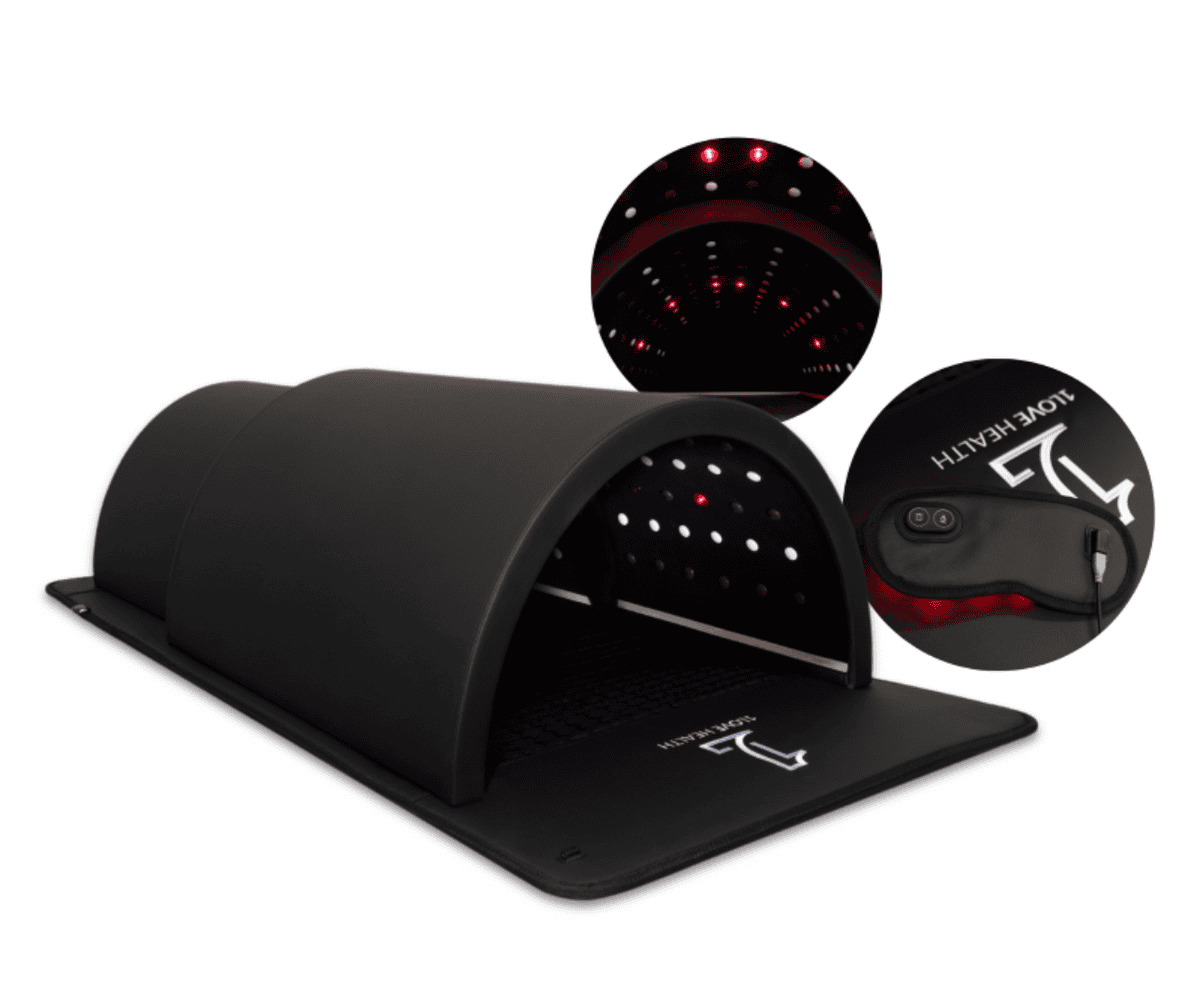
1LoveHealth Ultimate Dome — Best “all-around” dome for most buyers who want a consistent routine.
Pricing + discount
Uses the official 1LoveHealth discount link (auto-applies when eligible): Check current pricing →
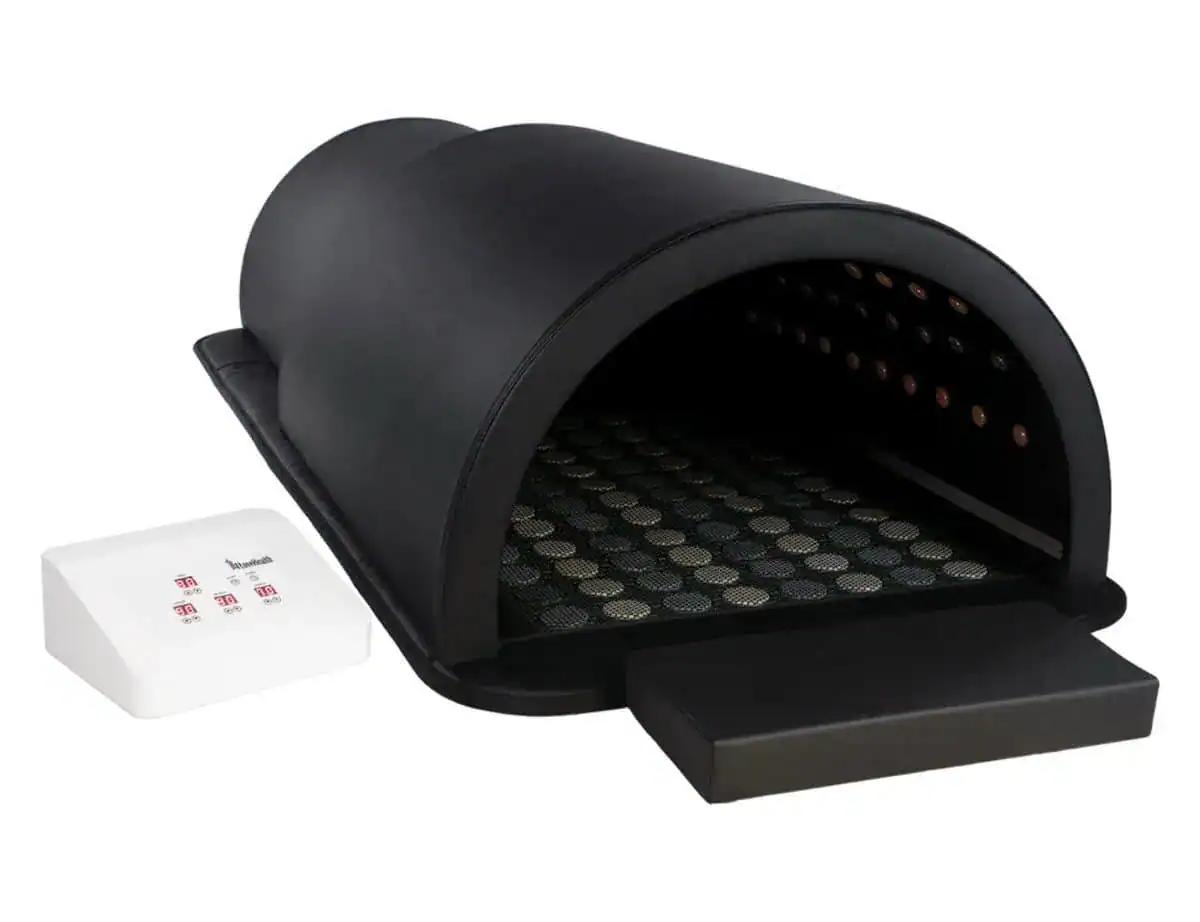
1LoveHealth LUXOR Dome — A premium comfort-oriented pick if you want “upgrade” materials and a more luxurious routine.
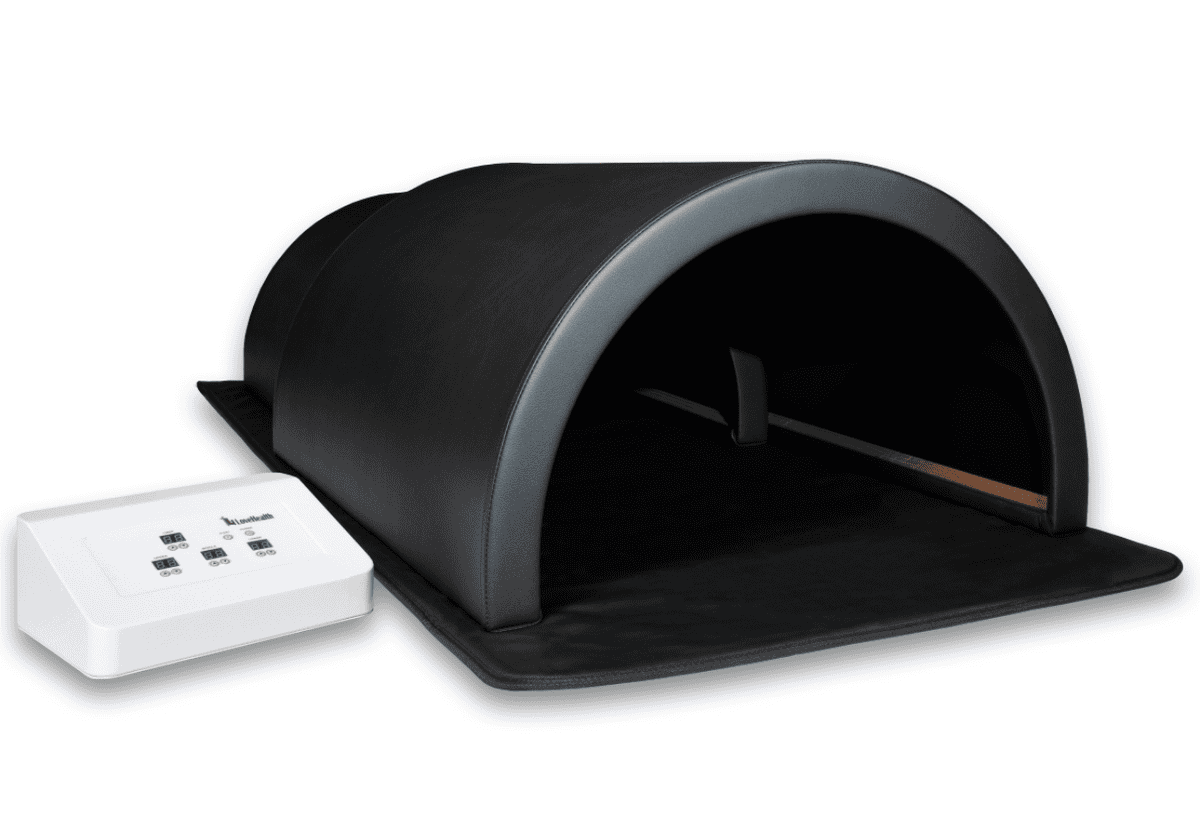
1LoveHealth Vital PRO Dome — Best for buyers who want a straightforward “use it daily” setup without overthinking upgrades.
Want the dome category comparison (top picks + who they’re for)?
Portable picks (budget + small spaces): the “use it anywhere” lane 🚪
Portable setups win when space is tight, budgets matter, or you want something you can pack away. In 2025, the most important thing is build quality + realistic comfort.
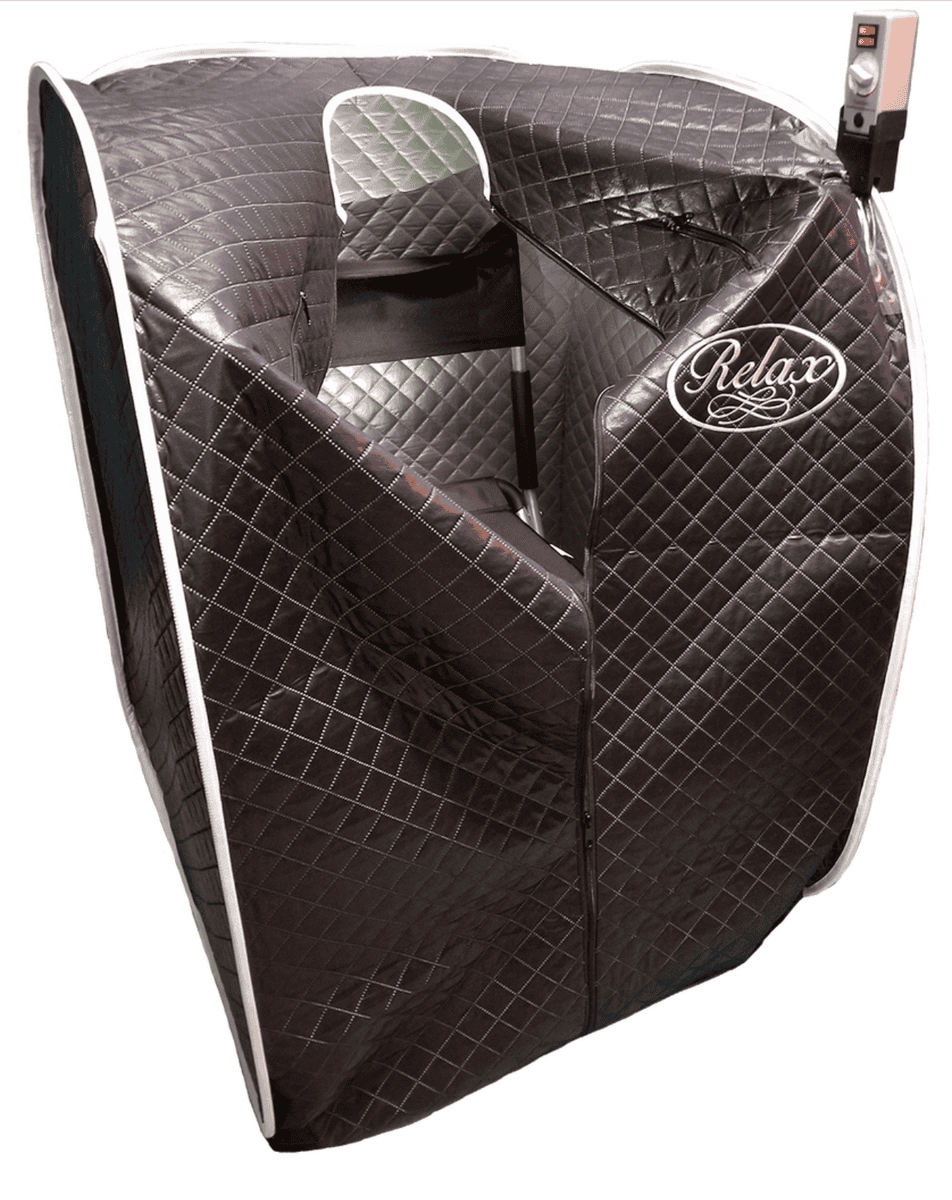
Momentum98 Relax FIR Tent (Black Tent Edition) — A popular portable option for buyers who want strong heat feel without stepping into a cabin price tier.
Portable pricing
Check Momentum98 current pricing and availability: Shop Momentum98 →
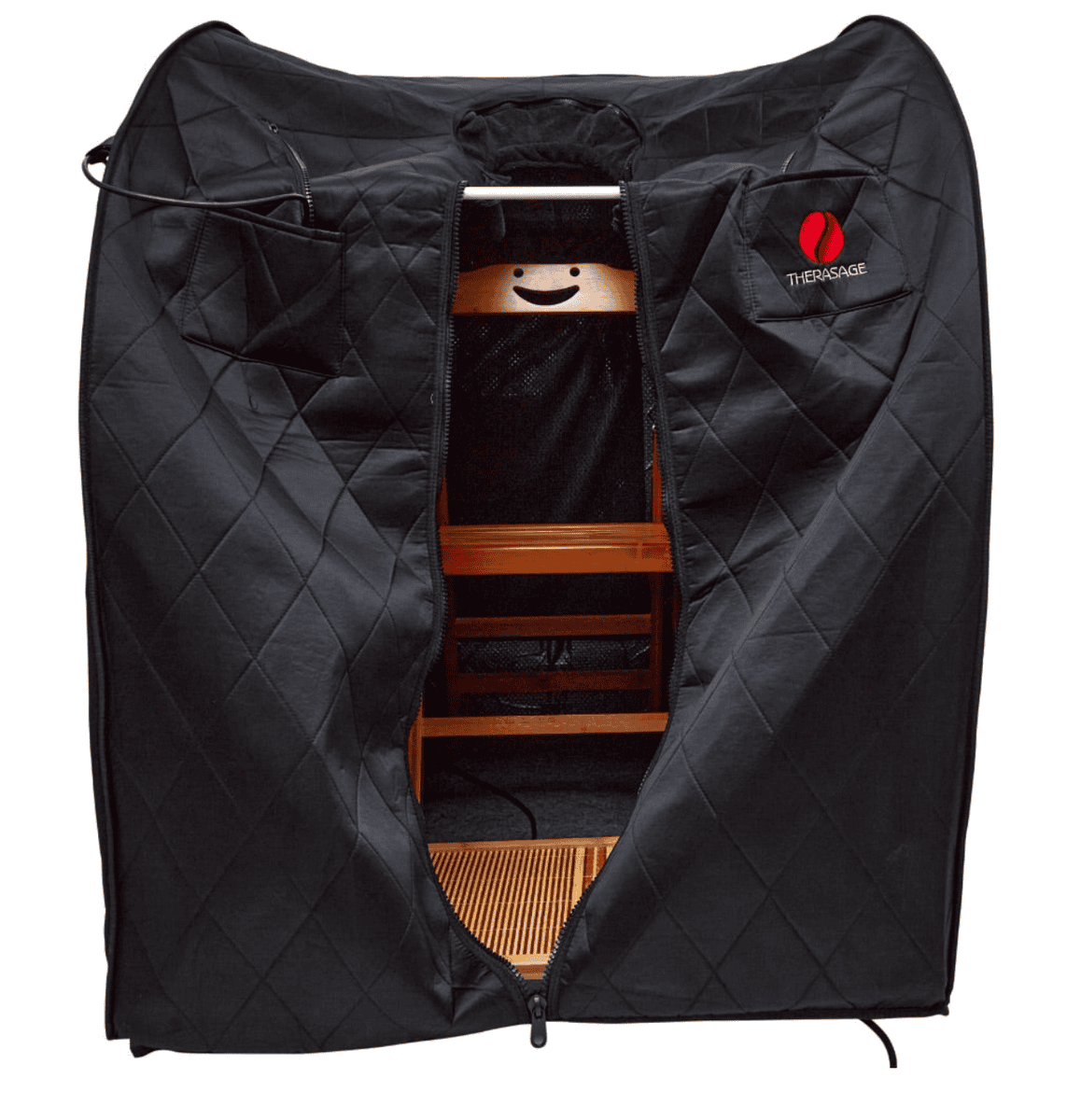
Therasage Thera360 Plus (personal sauna) — A compact personal option for buyers who want a guided, repeatable routine with a smaller footprint.
See how it compares in the portable roundup →
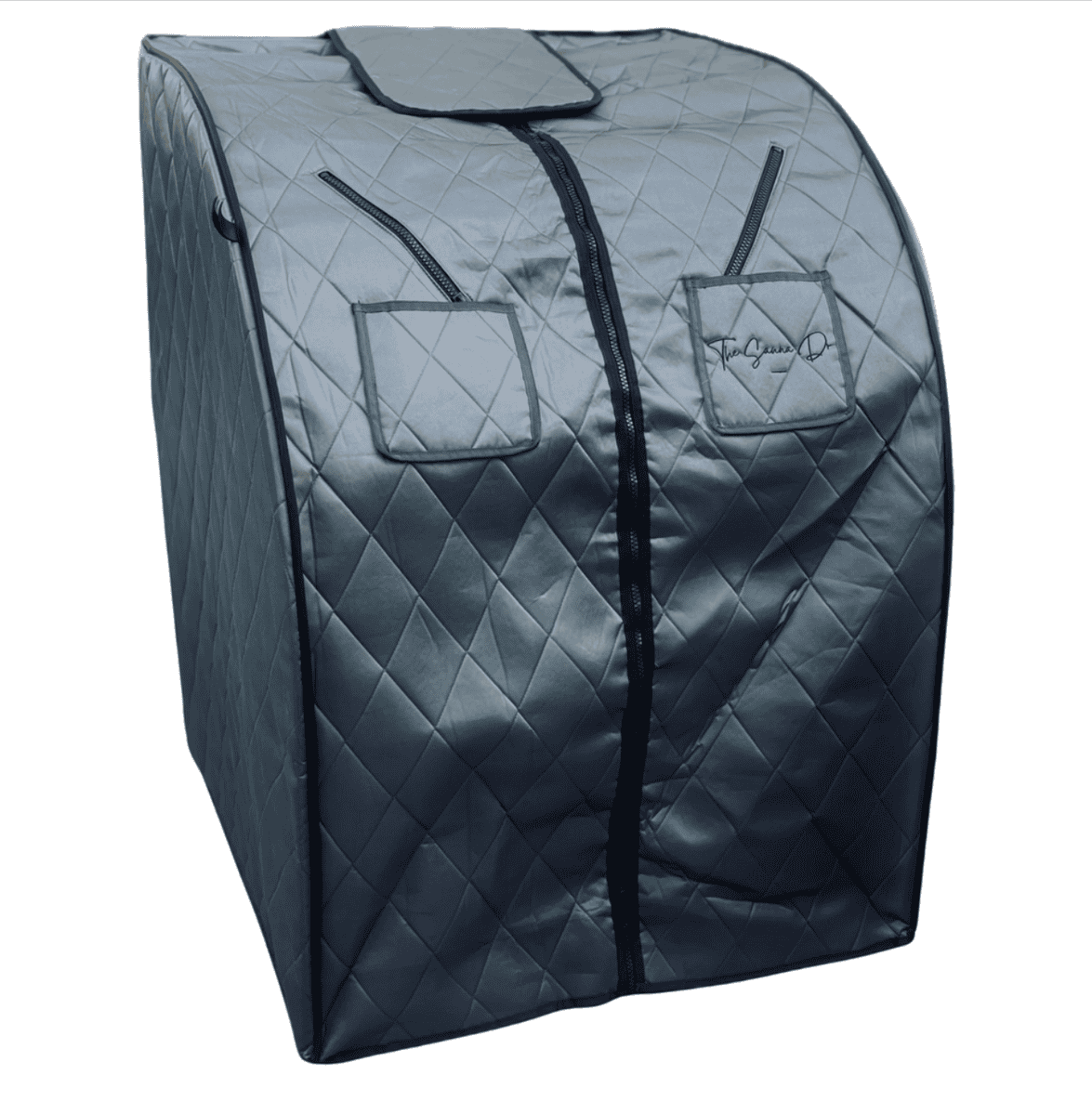
Therasage Limited Edition (portable premium) — A higher-end portable lane for buyers who want a premium build and brand ecosystem.
Want the category-level comparison and who each portable option fits best?
Indoor cabin picks (the “full home sauna experience” lane) 🏠
If you want the most “traditional” at-home ritual—walk in, sit down, breathe, sweat, recover—cabins are the long-term winner for many buyers. Indoor cabins are also easiest to integrate into a consistent schedule.
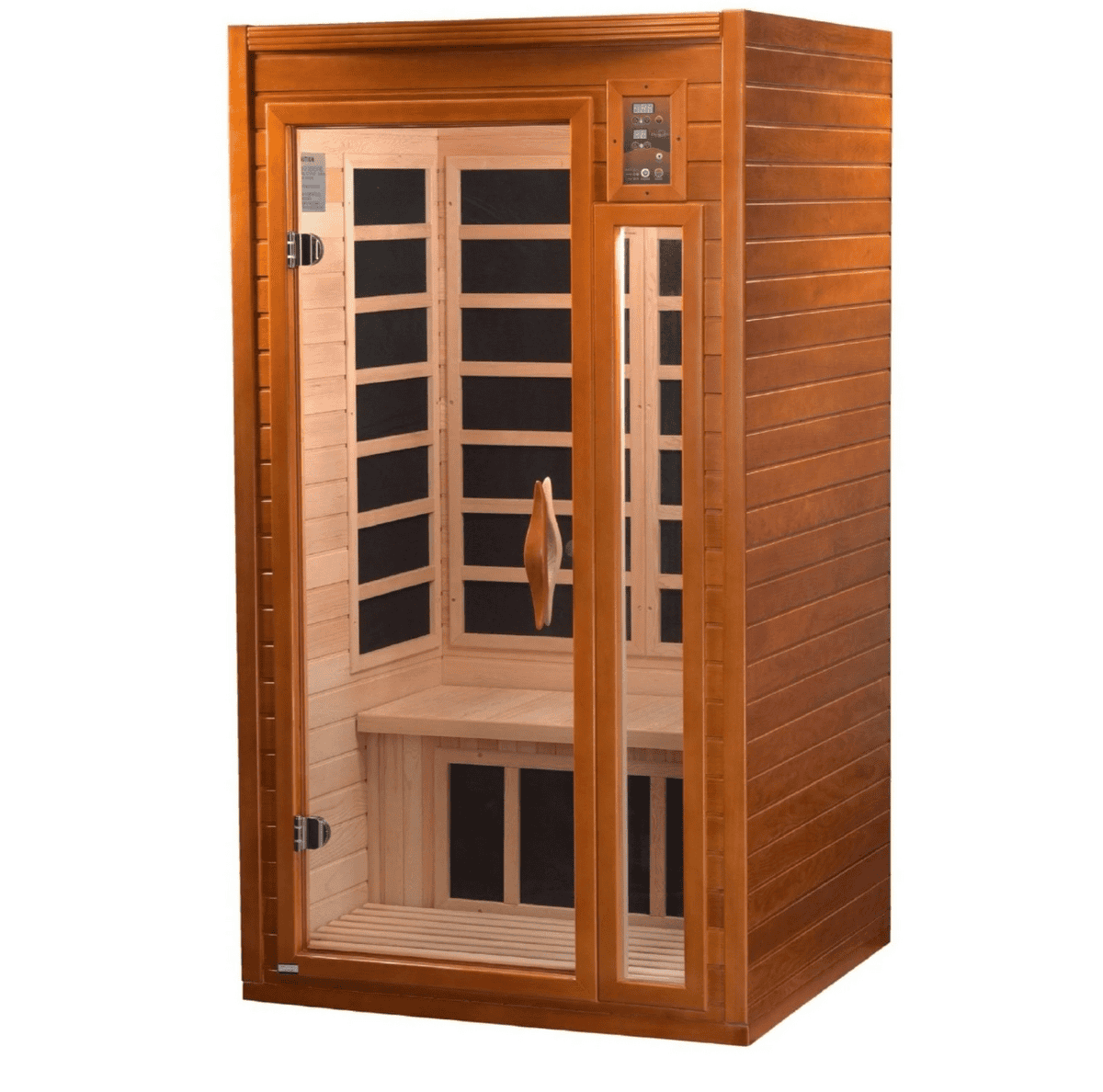
Dynamic Barcelona 1–2 Person — A strong “budget-to-mid” cabin pick if you want indoor usability without going oversized.
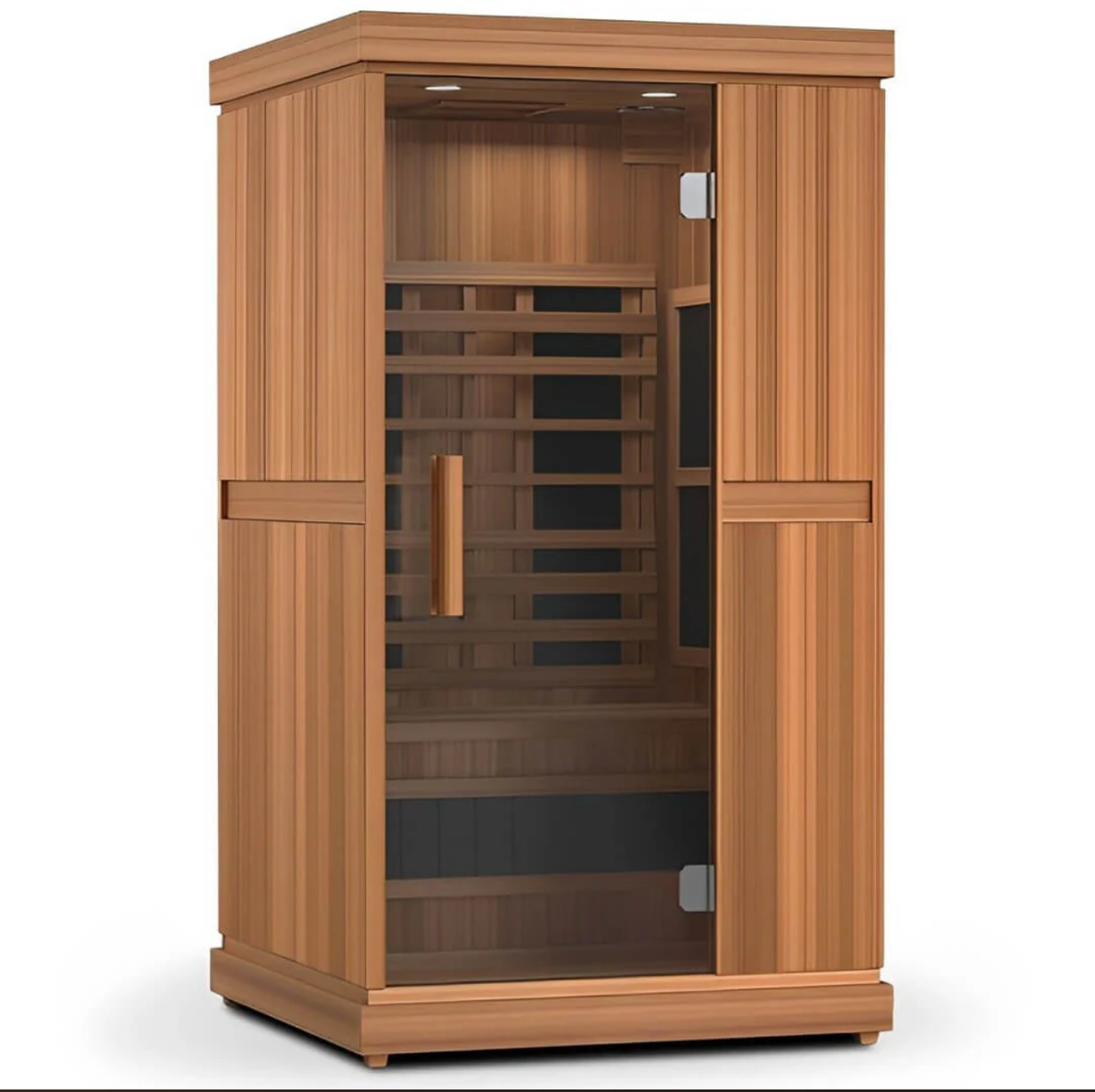
Finnmark FD-1 Full Spectrum (1-person) — Best if you want a premium solo footprint with full-spectrum positioning.
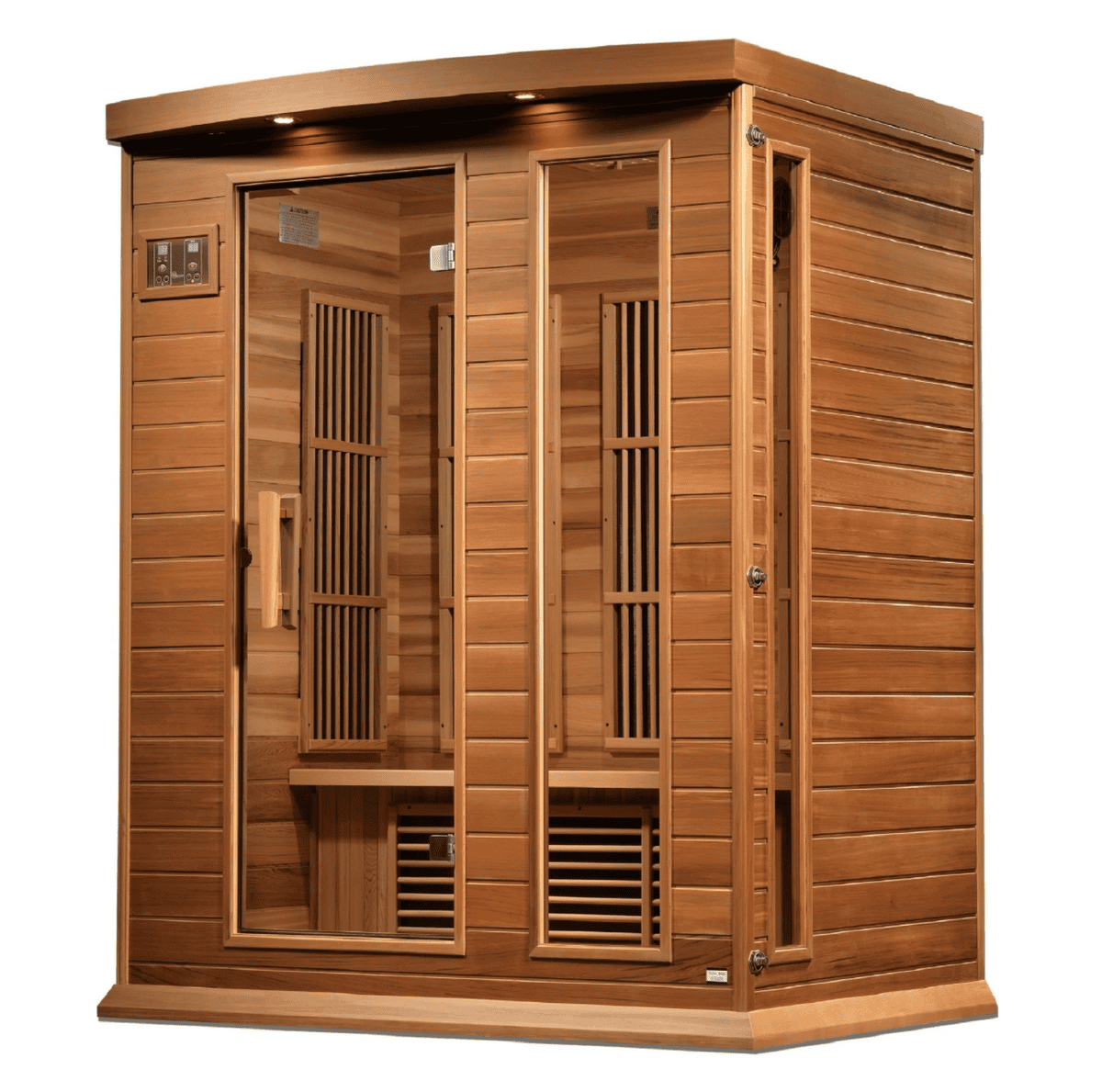
Maxxus 3-Person Near-Zero EMF (cedar) — Best for EMF-conscious buyers who want a bigger interior and a premium cabin feel.
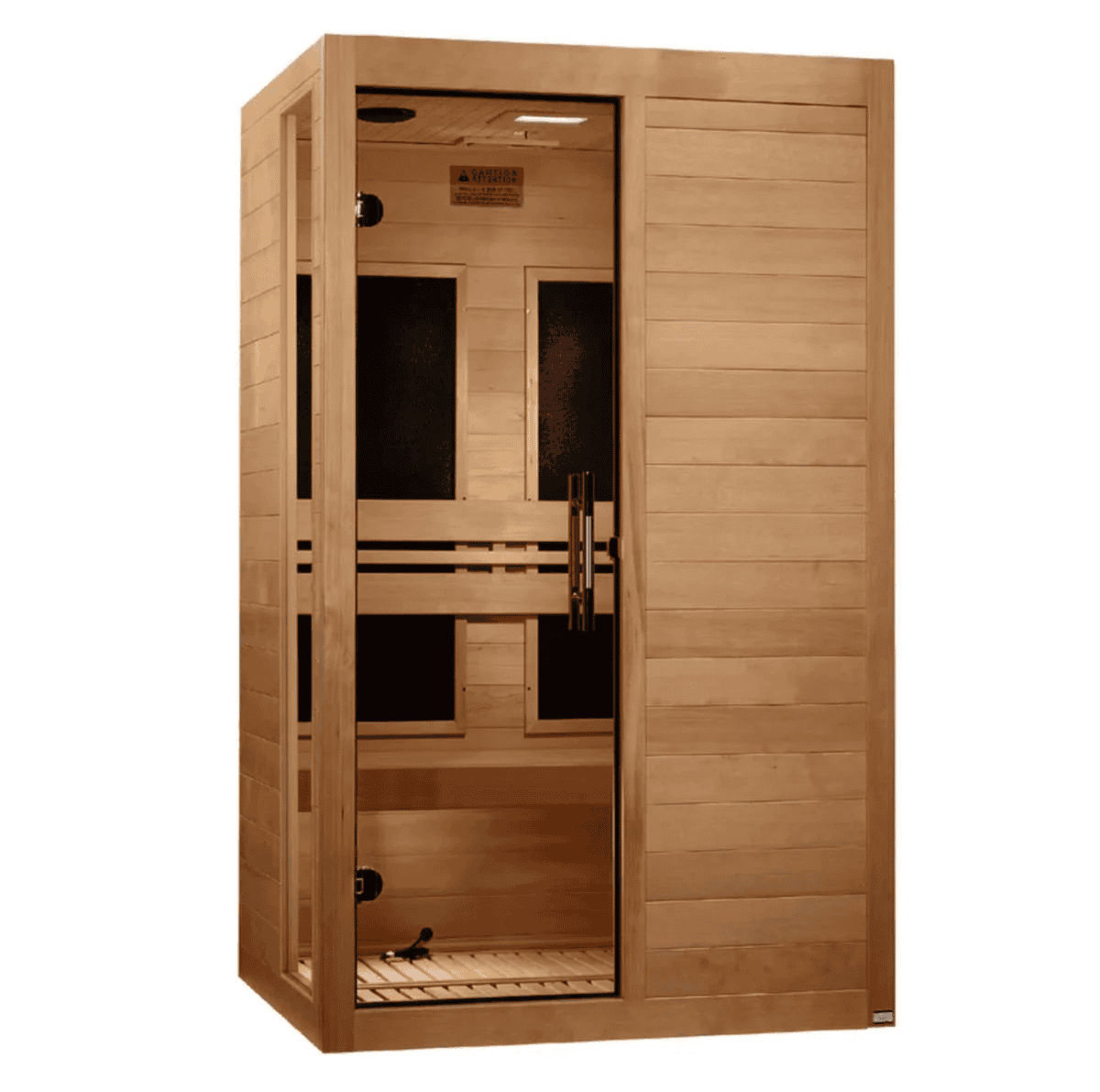
Dynamic Lucca 2-Person — Best “2-person sweet spot” if you want a compact cabin with a couples-friendly layout.
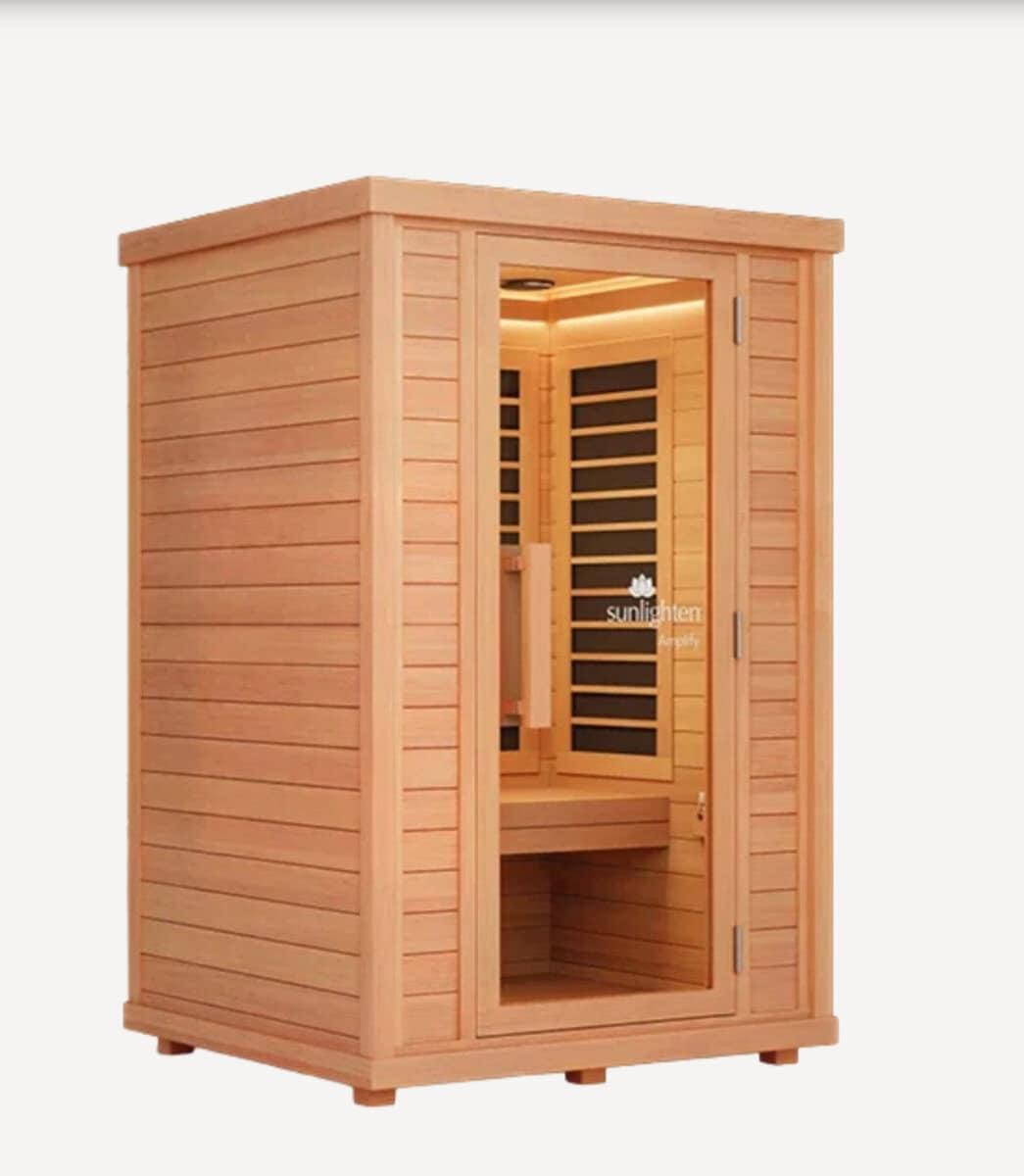
Sunlighten Amplify II (2-person full-spectrum) — Best premium indoor sauna for buyers who want faster heat-up, higher intensity sessions, and a luxury full-spectrum experience.
Premium pricing
Check current pricing and availability: View Sunlighten Amplify II →
For category-level cabin comparisons and additional context:
Outdoor & specialty picks (when placement, weather, or capacity drives the decision) 🌲
Outdoor and specialty options are less “one size fits all.” Here the right choice is usually driven by placement reality (deck/patio), climate considerations, and whether you want a bigger capacity experience.
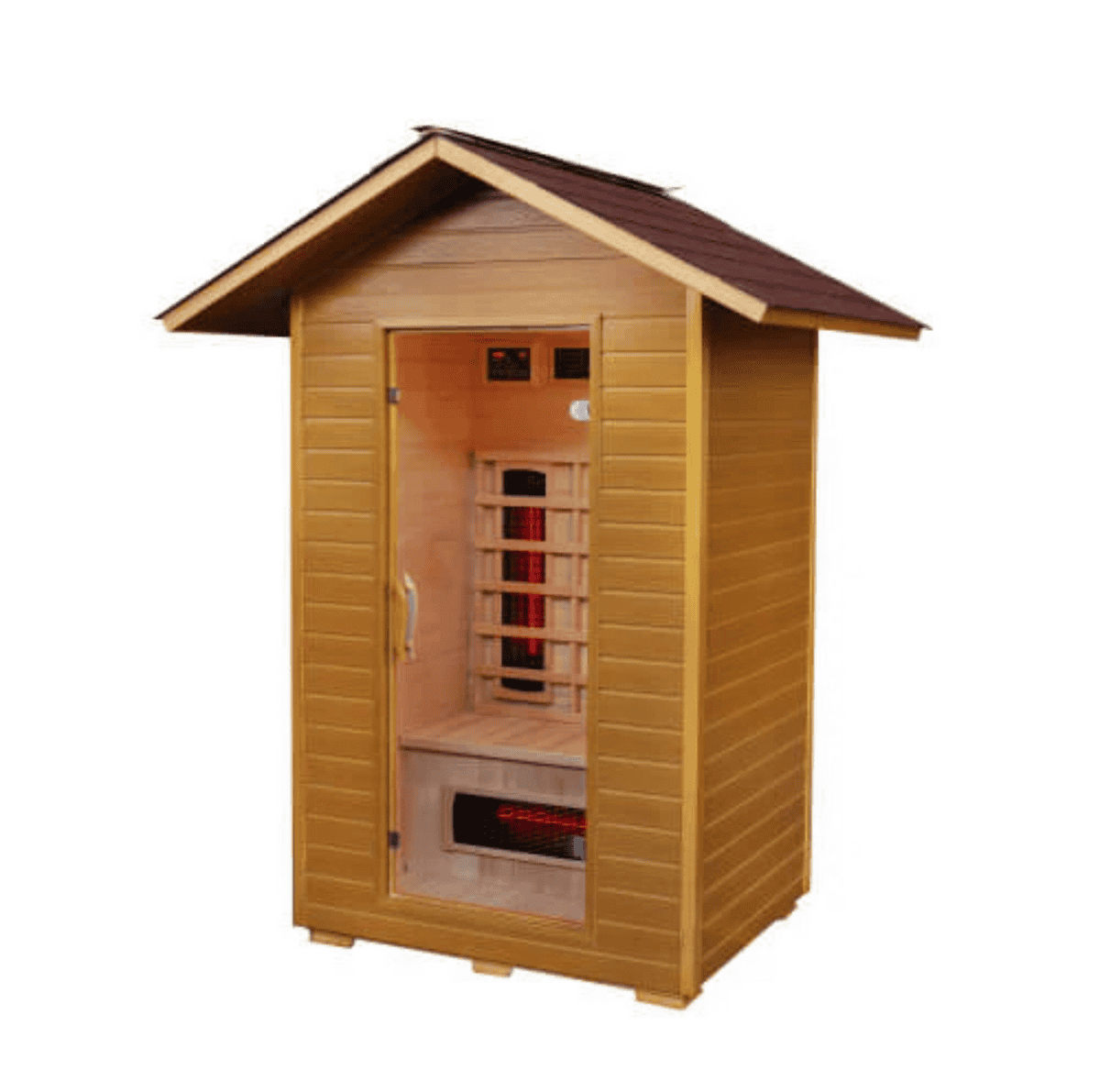
Sunray Burlington (Outdoor) — Best outdoor pick if you want an outdoor-specific model from a curated catalog.
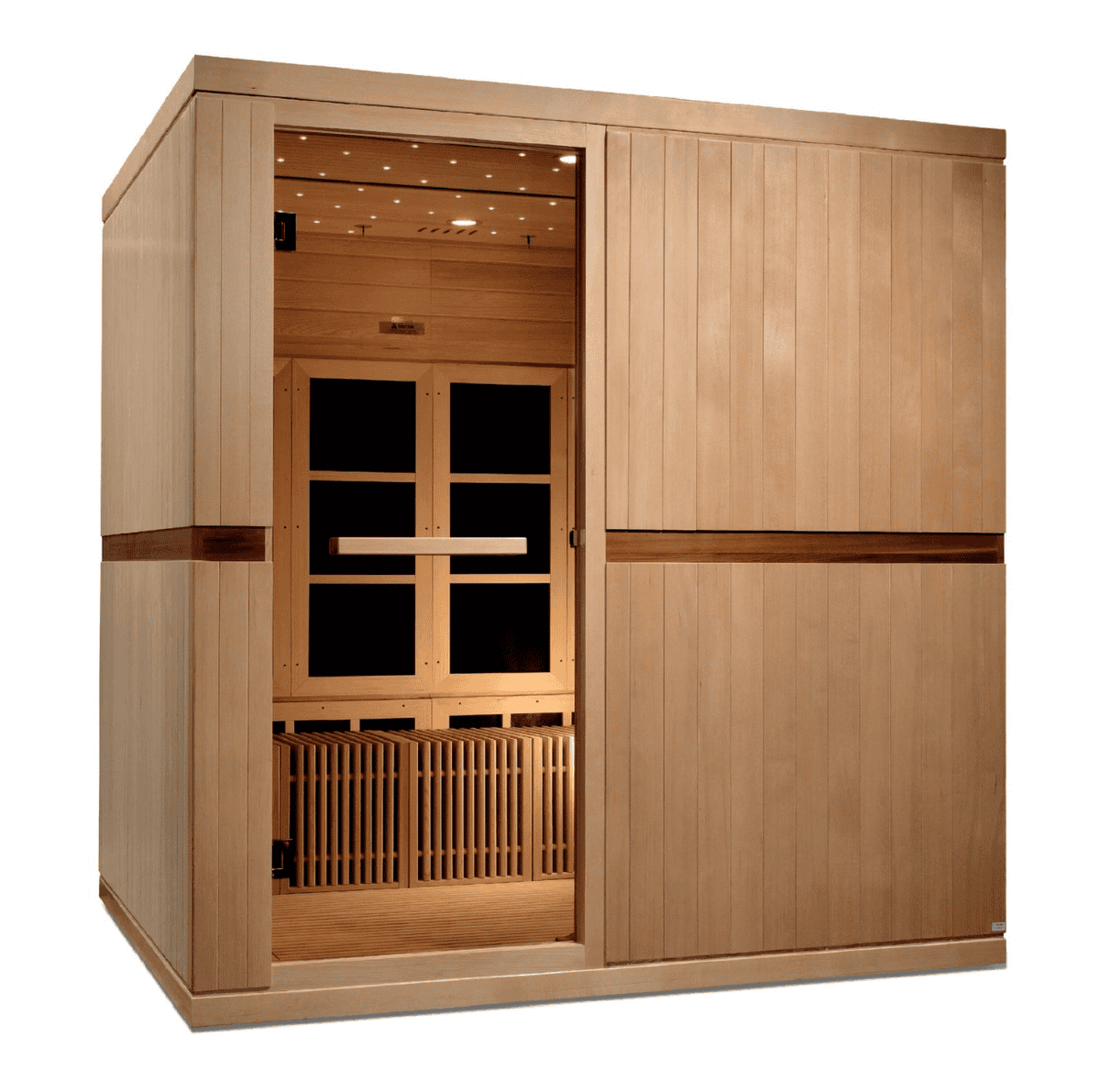
Golden Designs Catalonia (8-person) — A large-capacity “luxury lane” pick for households that want space and a more social sauna experience.
Therasage Limited Edition (Specialty lane) — A specialty pick for buyers who care about premium positioning and a brand ecosystem more than cabin footprint.
For outdoor-specific comparisons and placement considerations:
Comparison table: best infrared saunas 2025 by category 📊
Use this table to pick your “lane,” then go deeper via the roundups/reviews.
| Category | Best for | Space needs | Heat feel | Typical buyer priority | Best next step |
|---|---|---|---|---|---|
| Dome | Convenience + consistent routine | Low | Direct, body-focused | Recovery + repeatability | See dome picks → |
| Portable | Budget + portability | Low | Enclosed, variable | Small footprint + value | See portable picks → |
| Indoor cabin | Full home ritual | Medium–High | Ambient, immersive | Long-term lifestyle upgrade | See indoor cabins → |
| Outdoor / specialty | Backyard/patio + capacity | High | Immersive + placement-driven | Space + experience | See outdoor picks → |
Helpful science context: For general heat exposure guidance and sauna-related safety considerations, review medical sources such as Cleveland Clinic, NIH, and PubMed reviews on sauna use and heat stress (especially if you have medical conditions or take BP meds).
What real-life sauna ownership feels like (the “you’ll actually do this” section) 🙂
This is where most buyer’s guides fail: they sell specs but ignore routine reality. Here’s what users typically run into—so you choose something you’ll stick with.
- First 1–2 weeks: You’re learning hydration timing, session length, and “your” comfort zone.
- Week 3–6: Most people settle into a repeatable routine (2–5 sessions/week).
- After 6 weeks: You’ll know whether convenience or experience is your #1 priority.

Simple routine that works for most people
- Start: 10–20 minutes at a comfortable heat level
- Build: Add time gradually as you tolerate it
- Finish: Cool down + shower (optional) + rehydrate
For deeper “how to use it” guidance, see our educational posts hub: Infrared Sauna Blog Index →
If you ever want to sanity-check your setup, placement, or routine, you can reach us here: Contact Sauna Sage →
What long-term infrared sauna ownership actually looks like
After the first few weeks of ownership, most infrared sauna users naturally move away from the way they originally imagined using their sauna. Sessions tend to become shorter, more predictable, and more closely tied to existing daily routines. This shift is not a loss of motivation—it is the point at which use becomes sustainable.
In real households, the saunas that get used consistently are not the ones that promise the most extreme experience. They are the ones that feel easy to step into, comfortable to stay in, and mentally simple to repeat. When a sauna session feels like an obvious next step in the day rather than a separate event, usage becomes automatic.
Why comfort beats intensity over time
Many buyers initially believe that higher temperatures, longer sessions, or stronger heaters will produce better outcomes. In practice, those variables matter far less than whether the session feels approachable on a normal day. Users who push heat or duration too aggressively early on often experience fatigue, dehydration, or lingering discomfort, which quietly erodes consistency.
Long-term users usually settle into a “comfortable effort” zone—warm enough to sweat, but calm enough to breathe normally, relax, and finish the session feeling restored rather than depleted. This middle ground is where repeat use happens.
The role of routine in sustained use
Infrared sauna use tends to last when it is attached to an existing habit instead of standing alone. Evening sessions that replace screen time, post-workout sessions that follow exercise, or short sessions tied to a consistent time of day all reduce decision fatigue. When the question is no longer “Should I use the sauna today?” but “When do I use it today?” the habit is already established.
This is why shorter sessions often outperform longer ones over the long run. A 15–25 minute session that fits easily into a schedule is far more likely to be repeated than a longer session that requires negotiation with time, energy, or motivation.
Friction is the silent habit killer
The most common reason infrared saunas go unused is not dissatisfaction with the product—it is friction. Every additional step required to start a session creates resistance. Folding components, moving equipment, waiting on extended warm-up times, or clearing space all add small barriers that compound over time.
Saunas that are ready to use with minimal preparation are used more often, regardless of brand or specifications. Even small conveniences—leaving towels nearby, keeping water within reach, or not needing to rearrange furniture—can significantly influence long-term behavior.
Placement matters more than most people expect
Where a sauna lives in the home often determines whether it becomes part of daily life or an occasional novelty. Locations that align with existing routines—bedrooms, home gyms, or quiet living spaces—lower the psychological cost of starting a session. Locations that require extra effort to access tend to reduce use, even if the sauna itself performs well.
The guiding principle is simple: the fewer transitions required, the more often the sauna will be used. When entering the sauna feels like a natural continuation of the day, consistency follows.
Hydration and recovery expectations
Another reality of long-term use is that hydration becomes more important than most beginners expect. Even moderate sweating places a demand on fluid balance, and insufficient hydration can quietly turn sauna sessions into a net negative experience. Headaches, next-day fatigue, or disrupted sleep are often hydration issues rather than problems with the sauna itself.
Users who maintain adequate fluid intake before and after sessions tend to report smoother recovery and a more positive overall experience. Over time, hydration becomes part of the routine rather than an afterthought.
The moment a sauna “sticks”
Most long-term users can identify a moment when the sauna stops feeling like a purchase and starts feeling like part of their environment. Sessions no longer feel dramatic or experimental. They feel ordinary—in a good way. At that point, the sauna is no longer something to remember to use; it is simply available.
This transition is one of the clearest indicators that a particular sauna setup was a good match. When use becomes routine rather than effortful, the sauna has succeeded in its most important role.
In the end, the best infrared sauna is not the one with the most impressive feature list, but the one that quietly supports repeated, comfortable use over months and years.
How to choose the best infrared saunas 2025 for YOU (quick decision rules) 🧠
Use these “choose / skip” rules to avoid buying the wrong category.
Choose a dome if…
- You want fast setup and high probability of consistent use
- You like direct, body-focused heat and a straightforward routine
- You want a premium wellness tool without cabin footprint
Go deeper: Best Infrared Sauna Domes →
Choose a portable option if…
- You’re budget-conscious or tight on space
- You want something you can store away
- You value practicality over “spa experience”
Go deeper: Best Portable Infrared Saunas →
Choose an indoor cabin if…
- You want the most immersive, long-term home ritual
- You’ll use it for stress relief, recovery, and consistent lifestyle practice
- You’re willing to plan placement and power requirements
Go deeper: Best Indoor Infrared Sauna Cabins →
Choose outdoor/specialty if…
- You have outdoor placement in mind (patio, deck, backyard)
- Capacity and experience matter more than minimal footprint
- You want a “destination” wellness feature at home
Go deeper: Best Outdoor Infrared Saunas →
How to choose the right infrared sauna without second-guessing yourself
By this point in the guide, most buyers already have enough information to make a good decision. The remaining challenge is not knowledge—it’s confidence. This section exists to simplify the final choice and reduce the mental back-and-forth that often delays purchases.
The goal is not to find the “perfect” sauna, but to choose the one that aligns best with how you realistically plan to use it.
Choose a dome-style sauna if:
- You want strong, focused heat without heating an entire cabin
- You prefer a relaxed, reclined position rather than bench seating
- You value faster warm-up times and lower space requirements
- You plan to use the sauna primarily for recovery, stress relief, or regular solo sessions
Dome saunas tend to work well for people who prioritize consistency and ease. They often feel less intimidating to use frequently, especially for longer sessions.
Choose a portable tent sauna if:
- You are budget-conscious but still want meaningful infrared exposure
- You need portability due to renting or limited space
- You are comfortable with a simple, utilitarian setup
- You plan to use the sauna primarily for shorter, more functional sessions
Portable tents can deliver excellent value, but they perform best when setup friction is kept low. Buyers who leave the tent assembled tend to use them far more consistently.
Choose an indoor cabin sauna if:
- You want a traditional sauna experience with seating and enclosed space
- You have a dedicated room or area for permanent installation
- You plan to share the sauna with a partner or family members
- Comfort and ambiance matter as much as heat output
Cabin saunas often excel at long-term satisfaction because they feel like part of the home rather than a piece of equipment.
Choose an outdoor or specialty cabin if:
- You want a spa-like ritual separate from your living space
- You have the budget and space to support installation and weather protection
- You enjoy sauna sessions as a dedicated experience rather than a quick routine
- You expect to use the sauna year-round and value durability
Outdoor models can be exceptional, but they are the category where buyers most often overbuy. Long-term use depends heavily on climate, convenience, and placement.
When to prioritize simplicity over features
Many buyers feel drawn to advanced controls, added lighting options, or layered technologies. While these features can enhance the experience, they rarely compensate for a sauna that feels inconvenient or uncomfortable to use.
If faced with a choice between a simpler sauna you can use easily and a more complex one that requires extra effort, the simpler option is usually the better long-term investment.
Budget decisions without regret
Once a sauna meets core needs—adequate heat, reasonable EMF design, comfortable seating or positioning, and electrical compatibility—spending significantly more tends to deliver diminishing returns for most users.
Higher price points often improve materials, aesthetics, or capacity rather than transforming the underlying experience. These upgrades can be worthwhile, but they are not required for meaningful use.
Common signals you may be overbuying
- You are choosing based on maximum specifications rather than how you’ll actually use the sauna
- You feel pressure to “future-proof” features you may never need
- You are stretching your budget primarily for marketing-driven upgrades
Stepping back and choosing a sauna that fits your current lifestyle often leads to higher satisfaction than buying for hypothetical future scenarios.
A final confidence check
Before committing, ask yourself one simple question:
Can I imagine using this sauna comfortably on an average, low-energy day?
If the answer is yes, you are very likely making a sound decision. If the answer relies on ideal motivation, extra time, or perfect conditions, it may be worth reconsidering.
The best infrared sauna choice is rarely dramatic. It is usually the one that quietly fits into your life and continues to be used long after the excitement of the purchase fades.
Benefits framing (realistic expectations) + common myths 🧪
Infrared sauna content online can get exaggerated fast. The most trustworthy approach is: treat sauna as a supportive wellness tool, not a cure-all.

What’s commonly supported (in a conservative, non-hype way)
- Relaxation + stress support: Heat exposure can support relaxation routines and recovery habits.
- Circulation support: Heat can promote peripheral circulation and a “warmth + loosened” feeling.
- Sleep routine support: Many users find evening sessions help downshift (timing matters).
Common myths to avoid
- “Detoxes heavy metals.” Sweating happens, but strong detox claims are often overstated.
- “More heat is always better.” Consistency beats extreme sessions.
- “One session fixes inflammation.” Wellness effects are habit-driven and individual.
For a structured science overview and careful wording, use: Infrared sauna benefits →
Evidence note: For broader medical framing on sauna use and potential cardiovascular/heat-stress considerations, consult reputable medical sources (e.g., Cleveland Clinic guidance and PubMed review literature).
Setup, placement, and hidden costs (what buyers wish they considered) 🧰
Many “best infrared saunas 2025” lists ignore the stuff that determines satisfaction: placement, airflow, cleaning rhythm, and accessories.
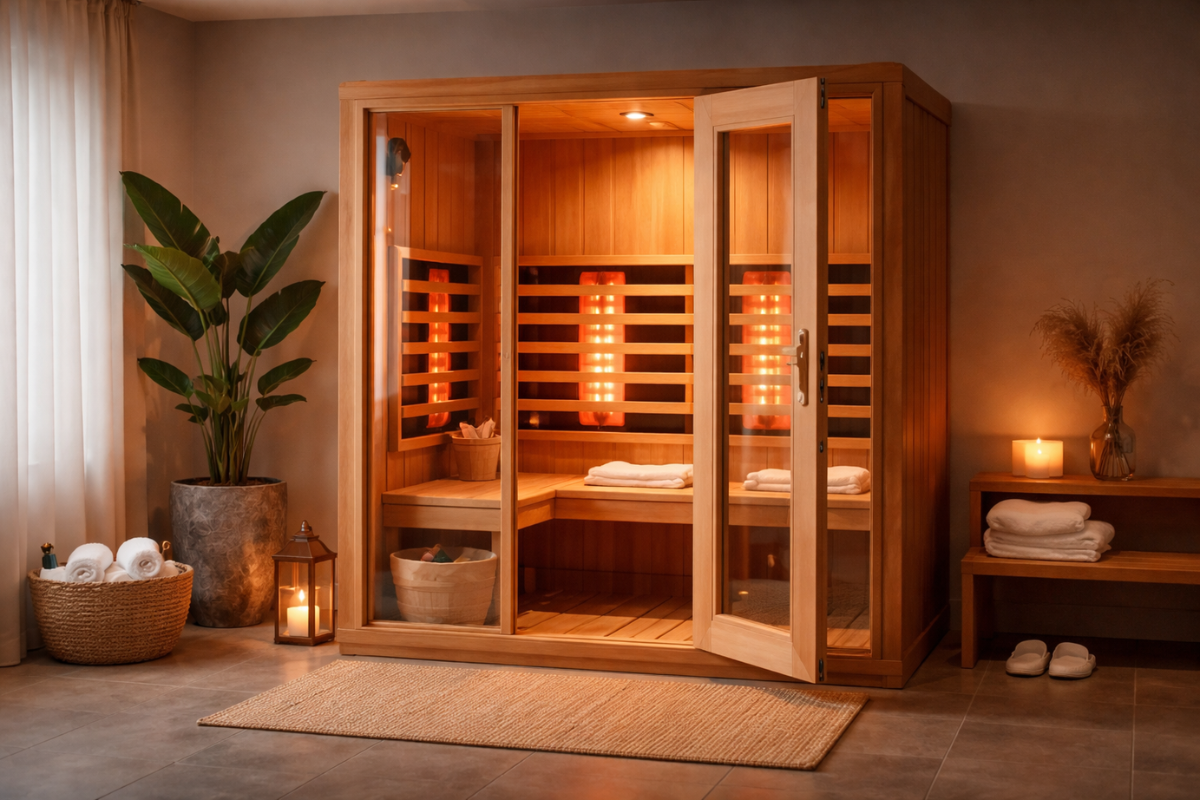
Placement checklist
- Ventilation: You want airflow so the space doesn’t feel stuffy.
- Flooring: Use a protective mat if needed; plan for sweat drips.
- Power: Cabins may require more planning than domes/portables.
- Privacy: Pick a spot that makes consistent use easy.
Accessories that actually help
- Towels you don’t mind sweating into 😅
- Water + electrolytes (especially if you sweat heavily)
- Wipe-down routine (simple is sustainable)
For deeper home planning topics, browse the blog index: Infrared Sauna Blog →
Decision tree: pick your best infrared sauna in 60 seconds ⏱️

- If you want the easiest routine: Start with domes → see picks
- If you need the smallest footprint: Go portable → see picks
- If you want the full “walk-in” experience: Go indoor cabin → see picks
- If outdoor placement is non-negotiable: Go outdoor → see picks
- If you’re EMF-sensitive: Start with near-zero/low-EMF cabin options → cabin roundup
Need help choosing?
If you tell us your space, budget lane, and routine goals, we’ll point you to the right category. Contact Sauna Sage →
Conclusion: the best infrared saunas 2025 are the ones you’ll use consistently ✅
If you remember one thing from this Buyer’s Guide, make it this: category fit beats spec obsession. Start with dome vs portable vs cabin, then pick the best model inside that lane.
- Fastest routine wins: Domes
- Best small-space value: Portable setups
- Best long-term lifestyle upgrade: Indoor cabins
- Experience + placement driven: Outdoor/specialty
Next steps (recommended):
- Choose your lane using the comparison table.
- Read the matching roundup (category picks + who they’re for).
- Open the 1–2 reviews that match your budget + routine goals.
Continue by category:
- Best Infrared Sauna Domes →
- Best Portable Infrared Saunas →
- Best Indoor Infrared Sauna Cabins →
- Best Outdoor Infrared Saunas →
And if you want the science-first foundation behind these choices: Infrared sauna benefits →