
Infrared Sauna Safety & Usage (2025 Guide)

Infrared saunas can be an incredible tool for relaxation, recovery, and long-term wellness. However, just like any other form of heat therapy, they are safest and most effective when you understand how they work, who they’re right for, and how to use them in a thoughtful, structured way.
This Infrared Sauna Safety & Usage (2025 Guide) is designed as your go-to safety hub on Sauna Sage. Think of it as a practical playbook: we’ll cover basic safety principles, medical considerations, session guidelines, home setup, and how to adapt your routine over time. Throughout, we’ll emphasize that nothing here replaces personal medical advice; instead, this guide helps you have an informed conversation with your healthcare provider and use your sauna responsibly at home.
You’ll also find links to our science-backed infrared sauna benefits overview and our detailed 2025 Infrared Sauna Buyer’s Guide so you can pair safe usage with the right equipment for your space and goals.
Important note before you start
This guide is for educational purposes only and does not constitute medical advice. If you have any medical conditions, take prescription medications, are pregnant or may be pregnant, or have implanted devices, consult your healthcare provider before using an infrared sauna.
Infrared Sauna Safety Basics: How Heat Affects Your Body

To use an infrared sauna safely, it helps to understand what’s actually happening in your body during a session. Infrared saunas use infrared light wavelengths to warm your tissues directly, rather than heating the air to extreme temperatures like a traditional Finnish sauna. As a result, the air often feels more comfortable, but your body is still experiencing a meaningful thermal load.
When you sit in an infrared sauna, your blood vessels dilate and your heart rate gradually increases, somewhat similar to a light cardio workout. Your body diverts more blood to the skin to release excess heat, and over time you begin to sweat. This combination of elevated heart rate, vasodilation, and sweating is what many people find relaxing and therapeutic, but it is also the reason safety matters: you’re challenging your cardiovascular system and fluid balance.
Because infrared sessions feel gentler than traditional saunas, people sometimes underestimate how hard their body is working. That’s why this guide emphasizes gradual progression and listening to your body. You should feel warm, relaxed, and mildly challenged – but never dizzy, nauseated, or panicked.
If you’re curious about the science behind benefits like circulation, recovery, or stress relief, our dedicated article on infrared sauna benefits walks through those mechanisms in more detail.
Who Infrared Saunas Are (and Aren’t) Right For

Most generally healthy adults can use an infrared sauna safely when they start slowly and respect their limits. However, certain groups should be especially cautious, and some people may be advised to avoid infrared saunas altogether.
Infrared saunas may be appropriate for:
- Generally healthy adults without unstable heart, blood pressure, or respiratory conditions.
- Individuals cleared by their healthcare provider for light-to-moderate cardiovascular stress.
- People looking for gentle support with relaxation, occasional muscle soreness, and stress.
Extra caution is essential if you:
- Have heart disease, arrhythmias, or a history of fainting.
- Live with very low or very high blood pressure.
- Have a history of stroke, severe dehydration, or heat intolerance.
- Have chronic conditions such as diabetes, kidney disease, or autonomic dysfunction.
- Take medications that affect fluid balance, blood pressure, or your body’s response to heat.
In these situations, your best first step is to bring this topic to your clinician and ask, “Would an infrared sauna be safe for me? If so, what guardrails would you recommend?” A short, conservative protocol – lower temperature, shorter sessions, and supervised use – is often a sensible starting point if they agree it’s appropriate.
Finally, if you share your sauna with family or friends, make sure everyone understands the basic safety rules in this guide. When in doubt, reach out with questions so you can clarify anything with your healthcare team before proceeding.
Medical Conditions and Contraindications ⚠️
Because infrared saunas place extra demand on your cardiovascular and thermoregulatory systems, certain situations are considered relative or absolute contraindications. This is not an exhaustive list, but it highlights some of the most common areas where you should pause and seek medical clearance.
Always seek medical clearance if you have:
- Unstable cardiovascular disease, including recent heart attack, uncontrolled arrhythmias, or severe valve disease.
- Very high or unstable blood pressure that is not well controlled.
- History of syncope (fainting), seizures, or unexplained dizziness.
- Advanced kidney disease or fluid balance disorders.
- Severe anemia or other conditions that significantly impair oxygen delivery.
- Recent major surgery, especially if your body is still healing or you have open wounds.
Pregnancy and infrared saunas
Pregnancy is usually considered a strong caution or contraindication for sauna use because of concerns about overheating and its potential impact on the developing baby. If you are pregnant, may be pregnant, or are actively trying to conceive, do not use an infrared sauna unless your obstetric provider has clearly advised that it is safe for you and has given you specific limits.
Children and teens
Children regulate body temperature differently and may be less able to recognize early warning signs of overheating. If a pediatrician approves sauna use for an older child or teen, sessions should be much cooler, much shorter, and always supervised. We’ll cover more family-specific guidance later in this guide.
The bottom line: if you are under active medical care, managing multiple conditions, or unsure about your risk level, treat an infrared sauna the same way you would a new exercise program – get medically cleared first, start slowly, and adjust based on how you feel.
Session Length, Temperature, and Hydration Guidelines

One of the safest ways to use an infrared sauna is to treat your routine as a series of small, conservative experiments. Instead of jumping straight into long, very hot sessions, you gradually build up time and temperature while checking how your body responds.
General starting guidelines for many healthy adults:
- Temperature: Start around 110–120°F (43–49°C), then slowly work toward 125–135°F (52–57°C) if tolerated.
- Session length: Begin with 10–15 minutes, then gradually extend to 20–30 minutes over several weeks.
- Frequency: 2–3 sessions per week is a common starting point; some people eventually move to 4–5 shorter sessions per week.
- Hydration: Drink water before, sip during if needed, and drink again after your session. Avoid going in thirsty.
These numbers are not “targets” you must hit. Instead, they are upper bounds for many healthy adults. If you feel lightheaded, nauseated, claustrophobic, or unwell at any point, you should shorten your time, lower the temperature, open the door, or end the session completely.
It can also help to keep a simple log of your early sessions: note the temperature, time, and how you felt during and after. Over time, patterns emerge and you’ll naturally discover the dose that feels restorative rather than depleting.
When you’re ready to explore different cabin, dome, or portable setups, our Infrared Sauna Buyer’s Guide breaks down how different designs affect heat feel, sweat onset, and comfort.
Safe Session Checklist: Before, During, and After
To keep things simple, here’s a one-look safety checklist you can mentally run through every time you use your infrared sauna. Over time, it becomes second nature 🔄.
Before you get in
- ✅ You feel well (no fever, no stomach bug, no “off” feeling)
- ✅ You’re hydrated (urine is pale, you’ve had water in the last hour)
- ✅ You’re not under the influence of alcohol or recreational drugs
- ✅ You’ve taken note of any new medications that affect blood pressure or heart rate
- ✅ The sauna is preheated to a reasonable range (115–130°F for most beginners)
During your session
- ✅ You can leave easily—door not blocked, nothing stacked in the way
- ✅ You notice how your heart, breathing, and head feel every few minutes
- ✅ You step out immediately if you feel lightheaded, nauseated, or “off”
- ✅ You’re not using your sauna as a place to nap or sleep (never safe)
After your session
- ✅ You sit or stand quietly for a few minutes before showering
- ✅ You drink water and, on intense sweat days, consider light electrolytes
- ✅ You check in with how you feel over the next few hours—relaxed vs. drained
- ✅ You adjust your next session (time or temperature) if you felt overworked
If you ever feel worse after heat—more short of breath, chest discomfort, pounding heartbeat, or confusion—treat that as a red flag rather than “part of the detox.” Heat should feel like a gentle challenge, not like pushing through a race you didn’t train for.
Heart Health, Blood Pressure, and Medications
One of the biggest questions people have is whether infrared saunas are safe if they have heart disease or high blood pressure. Research suggests that, for many people with stable cardiovascular conditions, carefully dosed sauna use can be safe and even beneficial when cleared by a cardiologist. [oai_citation:12‡PMC](https://pmc.ncbi.nlm.nih.gov/articles/PMC2359619/?utm_source=chatgpt.com)
Saunas increase heart rate and cause blood vessels to dilate, which can temporarily lower blood pressure and improve endothelial function. [oai_citation:13‡PMC](https://pmc.ncbi.nlm.nih.gov/articles/PMC2718593/?utm_source=chatgpt.com) That’s part of why regular sauna users, on average, seem to have lower rates of cardiovascular events in some long-term observational studies. [oai_citation:14‡Mayo Clinic Proceedings](https://www.mayoclinicproceedings.org/article/s0025-6196%2818%2930275-1/fulltext?utm_source=chatgpt.com)
Key safety points for heart and blood pressure
- If you have unstable chest pain, uncontrolled arrhythmias, or very high blood pressure, you should not use a sauna until those conditions are evaluated and managed.
- If you take blood pressure medications, beta blockers, or diuretics, heat can amplify their effects—making dizziness or low blood pressure more likely.
- Always start at lower temperatures and shorter times (for example, 5–10 minutes at 115–120°F) and build only with your clinician’s blessing.
- If you use a home blood pressure cuff, track readings on days with and without sauna use so you and your clinician can identify patterns.
Because heart disease and blood pressure are classic “talk to your doctor first” situations, use this guide as a conversation starter, not a final decision-maker.
Safety for Older Adults, Teens, and Other Groups

Not everyone responds to heat stress in the same way. Age, body composition, and hormone status all influence how your body handles infrared sauna sessions.
Older adults 🧓
- As we age, we tend to have less total body water and a weaker thirst signal, which increases the risk of dehydration. [oai_citation:15‡My Sauna World](https://mysaunaworld.com/blogs/sauna-tips/how-long-should-you-stay-in-a-sauna?srsltid=AfmBOoq-o4SwcKXU380NFWc9av9YAoFdWTTtrBO7KFl3Nu_eWGJpUuVF&utm_source=chatgpt.com)
- Many older adults are also on medications that affect blood pressure, heart rate, or kidney function.
- Practical takeaway: use lower temperatures, shorter sessions (5–15 minutes), and more conservative weekly frequency unless a clinician advises otherwise.
Teens and younger users
- There is far less research on regular sauna use in children and teenagers. In general, infrared saunas are designed and marketed for adults.
- If used at all, sessions should be shorter, cooler, supervised, and infrequent, and only with a pediatric clinician’s knowledge.
Postpartum, fertility, and hormone considerations
- Men trying to optimize fertility are often advised to avoid high-heat environments, including saunas and hot tubs, because they can temporarily impair sperm parameters. [oai_citation:16‡Cleveland Clinic](https://health.clevelandclinic.org/infrared-sauna-benefits?utm_source=chatgpt.com)
- Postpartum individuals, especially after complicated deliveries or surgeries, should get clearance before resuming thermal stress.
When in doubt, the safest approach is to wait, hydrate, and get a personalized “yes” from your healthcare team before adding regular heat sessions.
Combining Infrared Saunas with Exercise, Cold, and Other Practices
Many people like to stack their infrared sauna sessions with workouts, cold plunges, or breathwork. That can be powerful—but also requires a bit of planning.
After a workout 🏋️♀️
- Light to moderate exercise followed by 10–20 minutes of sauna may support cardiovascular fitness and recovery for many people, as long as hydration is on point. [oai_citation:17‡UCLA Health](https://www.uclahealth.org/news/article/benefits-sauna-bathing-heart-health?utm_source=chatgpt.com)
- Avoid cranking both intensity and duration to the max. If your workout was particularly tough, keep the sauna dose shorter and cooler.
Hot–cold contrast (sauna + cold shower or plunge)
- Alternating heat and cold can feel invigorating and may support circulation and stress resilience in some users. [oai_citation:18‡Verywell Health](https://www.verywellhealth.com/how-long-can-you-stay-in-a-sauna-11716999?utm_source=chatgpt.com)
- If you have heart or blood pressure issues, talk with your clinician before introducing sudden temperature swings, as they rapidly shift vascular tone and heart workload.
Breathwork, meditation, and relaxation
- Using your infrared sauna as a structured relaxation ritual—quiet breathing, light stretching, simple meditation—can amplify stress-relief benefits while keeping heart rate steady.
- Skip intense breath-holding or hyperventilation techniques in the sauna; they can cause dizziness or fainting even in healthy people.
Remember: more “hacks” doesn’t automatically mean better results. It’s usually safer to master basic sauna safety first, then layer in other practices gradually and intentionally.
Home Infrared Sauna Setup: Ventilation, EMF, and Fire Safety
Safe infrared sauna use isn’t only about how your body responds—it also depends on how you set up the unit in your home.
Placement and ventilation
- Place your sauna on a stable, level, non-carpeted surface whenever possible to reduce fire and moisture risks.
- Allow enough clearance around the sauna for air circulation and safe movement in and out; don’t jam it into a tiny unventilated closet.
- Avoid placing it in spaces with chronic moisture issues (unfinished basements without dehumidification, for example) to reduce mold risk.
Basic electrical and fire safety
- Follow the manufacturer’s electrical requirements exactly—amperage, breaker size, and dedicated circuits where recommended.
- Avoid using long extension cords or power strips; they can overheat under the sauna’s electrical load.
- Keep flammable items (towels piled on heaters, cleaning products, solvents) away from heating elements and exterior panels.
EMF considerations
- Many modern infrared saunas are designed as “low EMF” or “near-zero EMF,” but standards vary by brand and testing method.
- If EMF exposure is a concern for you, look for transparent third-party testing data and consider keeping session times moderate rather than chasing marathon sessions.
For more help choosing quality construction and low-EMF designs, you can compare cabins, domes, and portable tents in our 2025 Infrared Sauna Buyer’s Guide .
Cleaning, Hygiene, and Maintenance
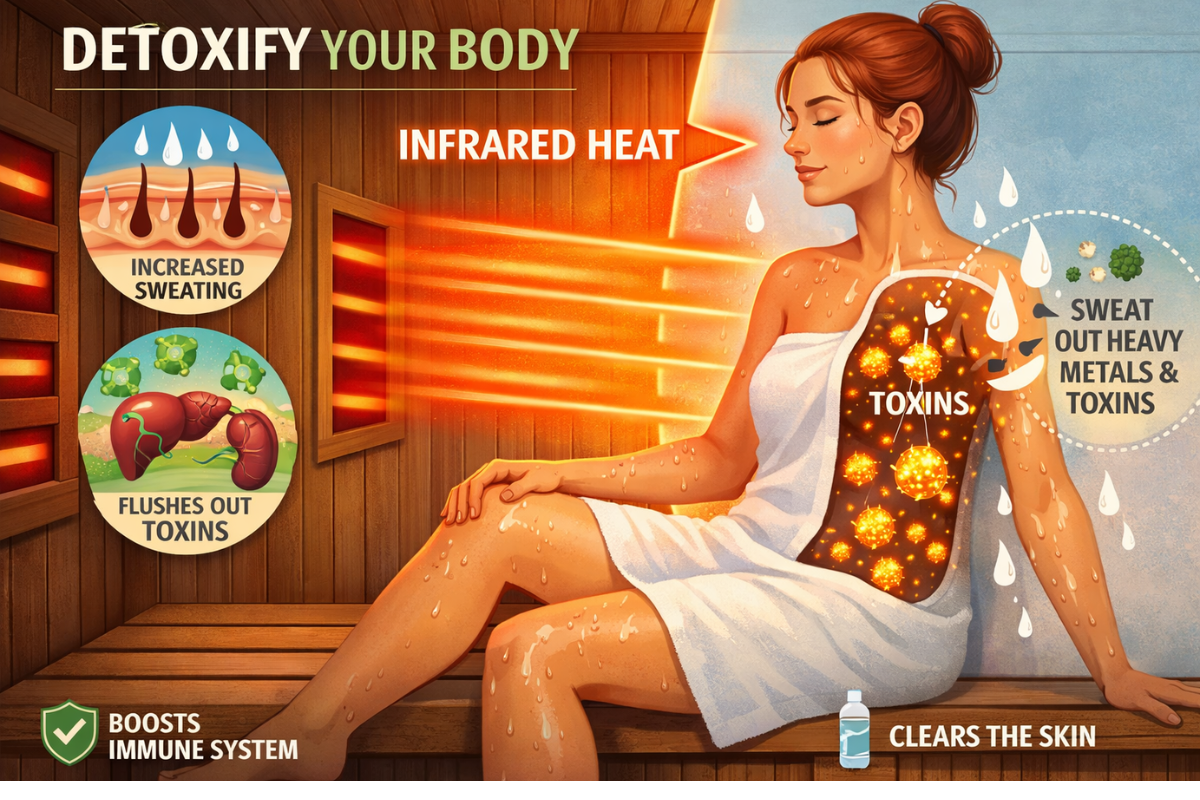
Sweat is part of the point of an infrared sauna—but if you never clean your unit, that sweat can lead to odors, staining, and even microbial growth over time. A simple, consistent routine keeps your cabin fresher and safer.
Before and after each session
- Use a clean towel on the bench and floor panel to catch sweat.
- Wipe down high-touch surfaces (bench, backrest, handles) with a mild, manufacturer-approved cleaner after use.
- Leave the door slightly open for airflow as the sauna cools.
Weekly or bi-weekly
- Inspect wood for discoloration, mildew-like spots, or persistent dampness; address issues early with appropriate cleaning products.
- Check electrical cords and control panels for signs of damage; if anything looks off, contact the manufacturer before continuing use.
Long-term maintenance
- Follow manufacturer recommendations for heater and control-panel checks.
- Keep a simple log of any unusual smells, noises, or error codes.
- Consider having an electrician review your setup if you upgrade breakers or add new high-draw appliances in the same area.
Clean, dry surfaces don’t just feel better—they also support the skin benefits and relaxation you’re hoping to get from your infrared sauna in the first place.
Building a Safe Weekly Infrared Sauna Routine
Now that you understand the main safety pillars, it’s time to translate them into a simple weekly routine. Here are example starting points you can adapt with your clinician’s input and your own experience.
Beginner routine (first 2–3 weeks)
- Temperature: 115–120°F
- Time: 5–10 minutes per session
- Frequency: 2–3 days per week (non-consecutive days)
- Goal: Get used to the heat, fine-tune hydration, and learn how your body responds.
Intermediate routine (once you feel solid at beginner level)
- Temperature: 120–130°F
- Time: 15–20 minutes per session
- Frequency: 3–4 days per week
- Goal: Support relaxation, circulation, and recovery while still finishing sessions feeling refreshed.
Advanced routine (only if truly tolerated and cleared)
- Temperature: up to ~135–140°F, if comfortable
- Time: 20–30 minutes per session (max)
- Frequency: up to 4 days per week, adjusting for training, travel, and stress
- Goal: Maintain benefits without drifting into chronic fatigue or overuse.
Layer in other wellness practices—like light stretching, breathwork, or meditation—gradually. If your life gets busier, you’re under the weather, or your training peaks, it’s perfectly okay to dial sauna use down for a while.
For a deeper dive into potential benefits of infrared sauna sessions (sleep, pain, recovery, and more), you can explore our science-backed Infrared Sauna Benefits guide .
Key Takeaways: Stay Safe First, Then Enjoy the Heat
When you zoom out, infrared sauna safety comes down to a few simple pillars: use reasonable time and temperature, arrive well-hydrated, respect your medical history, and listen to your body before, during, and after each session. Do that consistently, and your sauna becomes a supportive wellness ritual instead of a risky stressor.
- Check with your clinician first if you have heart disease, blood pressure issues, pregnancy, or other significant conditions.
- Start low and slow—shorter, cooler sessions are a smart on-ramp for nearly everyone.
- Prioritize hydration and gradual cool-downs to avoid dizziness and headaches.
- Keep your home setup clean, well-ventilated, and electrically safe.
As your confidence grows, you can fine-tune your routine to match your goals—whether that’s stress relief, workout recovery, or long-term cardiovascular support. Just remember that “more” isn’t automatically “better”; the best sauna practice is one your body handles easily week after week.
Step 1: Lock in your safe routine ✅
Revisit this guide anytime you change medications, training, or health status. If your situation is complex, use it as a checklist to discuss with your clinician.
Step 2: Choose the right sauna for your home 🏡
Once you’re clear on safety, compare domes, tents, and cabin saunas in our 2025 Infrared Sauna Buyer’s Guide , or explore more education in the Infrared Sauna Blog .
If you have questions about how this safety guidance applies to your unique situation, you can always reach out through our contact page and bring specific questions to your healthcare provider. When safety comes first, the heat can become one of the most relaxing parts of your week ✨.