
Infrared Sauna for Heart Health: Can Heat Therapy Support Your Cardiovascular System?
Published: August 17, 2025
Last updated: December 22, 2025

Heart disease remains one of the most common long-term health challenges facing adults, leading many people to explore safe lifestyle strategies that support cardiovascular wellness. Infrared sauna therapy has gained attention for its ability to gently heat the body, stimulate blood flow, and create cardiovascular effects similar to light exercise sessions.
This article explores how infrared heat interacts with circulation, blood vessel behavior, and cardiovascular workload — using explanations grounded in published research rather than claims of cures or medical treatment. The goal is to offer realistic expectations, outline safety considerations, and describe how this wellness tool fits into broader lifestyle routines for heart support.
Throughout the article, you’ll find internal guides including our 2025 Infrared Sauna Buyer’s Guide, an educational breakdown of infrared sauna benefits, access to our infrared sauna blog, and a direct line to contact Sauna Sage if you need help choosing a sauna.
How Infrared Heat Influences the Cardiovascular System

Infrared saunas warm the body directly, causing peripheral blood vessels near the skin to gently widen. This process, called vasodilation, allows blood to move more freely, reducing vascular resistance and encouraging circulation throughout the body. The heart pumps slightly faster to move blood outward toward the skin — similar to what occurs during low-intensity cardiovascular exercise.
Several reputable medical sources describe this type of response. For example, research available through PubMed clinical literature reports that passive heat exposure can modestly increase heart rate while lowering blood pressure in many cases. Mayo Clinic resources also note that increased blood flow may support tissue oxygenation and nutrient delivery through gentle thermal stress.
- Heart rate typically rises to light-exercise levels
- Blood vessels widen to promote circulation
- Core temperature increases gradually rather than sharply
- Cardiovascular workload grows without heavy muscular exertion
This combination—light cardiovascular stimulation paired with a rested muscular state—explains why sauna use is often studied as a supportive tool rather than a replacement for physical exercise.
Why Improved Circulation Matters for Heart Health

Healthy circulation plays a central role in heart wellness, supplying oxygen and removing metabolic waste efficiently. Infrared sauna heat may help promote vessel flexibility, allowing arteries and veins to expand and contract more freely during daily activity. This matters because stiff, narrow vessels require more pressure to move blood, which can strain the heart over time.
Studies indexed in the National Institutes of Health database describe potential circulation improvements linked to repeated heat exposure, including increased endothelial function and enhanced blood flow efficiency. Cleveland Clinic publications also recognize that improved circulation may help individuals experiencing sedentary lifestyles incorporate non-exercise heat exposure as a complementary wellness activity.
Users frequently describe warmth spreading outward from the core, followed by a feeling of loosened muscles and easier movement. While personal experiences vary, this consistent warm-blooded circulation shift is a predictable response to infrared heat exposure.
Infrared Sauna Exposure and Blood Pressure Patterns

Blood pressure changes during sauna use depend on individual health status and heat tolerance. Research discussed within PubMed peer-reviewed sources suggests that many adults experience short-term blood pressure decreases after heat exposure, particularly when muscle tension lowers and vascular resistance decreases.
Infrared heat may influence the nervous system by encouraging parasympathetic activity — the “rest and digest” state associated with calmer heart rate rhythms. Mayo Clinic references describe this effect as part of the body’s natural stress-recovery cycle triggered by warmth, breathing changes, and increased peripheral circulation.
However, responses vary. Individuals with existing heart conditions should speak with their medical provider before introducing heat-based routines. Sauna Sage does not offer medical treatment or diagnostic guidance — instead, this post focuses on helping readers understand how the body typically behaves during passive thermal exposure.
Later sections explore long-term adaptation patterns, safety guidelines, and how an infrared sauna routine may be structured for cardiovascular support.
How Infrared Heat Mimics Light Exercise for the Heart

During an infrared sauna session, metabolic activity increases as the body works to cool itself. This elevated internal workload can feel similar to brisk walking or gentle cycling in terms of cardiovascular intensity. Heart rate often rises into a light training zone, stimulating circulation without stressing joints or muscles.
Clinical literature available through PubMed research databases describes this pattern as passive heat exercise—a category of thermal exposure that encourages the heart to pump more efficiently with limited mechanical strain. Because the body is heated from within rather than through exertion, individuals may experience a form of cardiovascular stimulation that feels easier than workout routines.
- Heart rate increases gently during heat exposure
- Circulation improves without muscle fatigue
- Vascular dilation reduces blood pressure in many cases
- Workload resembles low-impact exercise stress
These responses make infrared sauna routines attractive to people seeking movement-like benefits while managing stiff joints, discomfort, or post-workout recovery needs.
Visit our educational infrared sauna benefits page for a full breakdown of cardiovascular and metabolic mechanisms.
Heart Health Adaptation Patterns Over Time
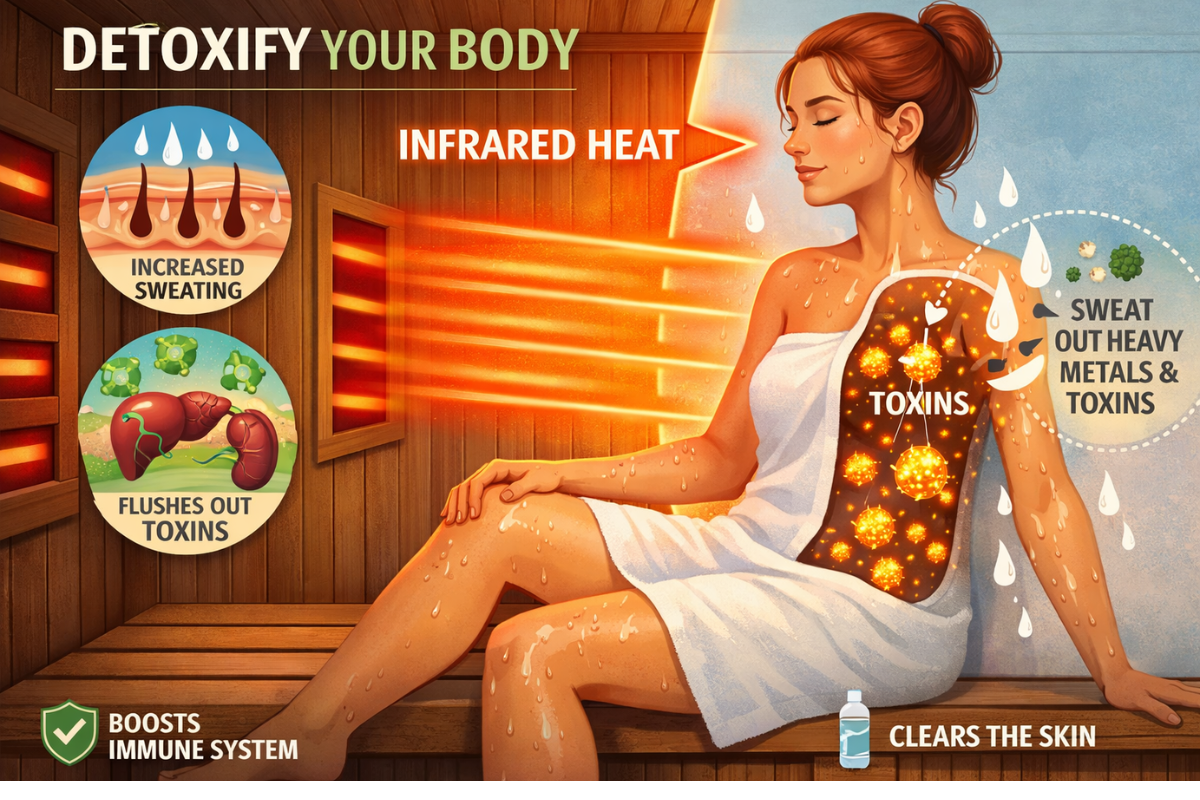
Repeated exposure to infrared heat may support gradual cardiovascular adaptations. Studies referenced in NIH scientific resources describe how consistent heat sessions can influence vascular elasticity and thermal tolerance. These changes occur slowly, and outcomes vary widely by individual health, hydration, and heat duration.
Infrared sauna routines may help:
- Enhance capillary function and responsiveness
- Support oxygen efficiency
- Reduce resting tension in blood vessel walls
- Promote overall circulatory ease during daily movement
The warming effect also triggers repeated parasympathetic recovery cycles. Cleveland Clinic materials explain that activation of the parasympathetic nervous system supports stress management, helping individuals settle into calmer heart rhythms as part of daily routine adjustments.
These adaptations develop through consistency, not intensity. Heart health routines should begin with shorter sessions, cooler settings, and regular hydration to support thermal tolerance. Readers interested in sauna selection can explore our Infrared Sauna Buyer’s Guide to compare cabin size, heat style, and control systems.
Stress Reduction and Its Role in Cardiovascular Wellness

Emotional stress places measurable strain on the cardiovascular system. Elevated cortisol and adrenaline levels can lead to higher heart rate and increased blood pressure during daily life. Infrared sauna sessions may help support emotional balance by creating structured time for heat-based relaxation, breath awareness, and nervous system settling.
Mayo Clinic lifestyle publications discuss how thermal environments are often linked to reduced tension and improved mood. When stress is managed effectively, blood vessels relax more easily, the heart requires less force to pump, and recovery between beats becomes more efficient.
- Warmth may encourage muscle loosening and comfort
- Breathing exercises are commonly paired with sauna routines
- Relaxation may support healthier sleep patterns
- Lower stress environments are associated with improved blood flow
This emotional dimension does not replace physical heart care—however, combining science-based thermal exposure with relaxation rituals may help support everyday cardiovascular comfort.
To explore more ways saunas can impact wellness, visit our Infrared Sauna Blog Index.
How Infrared Sauna Sessions Compare to Rest and Exercise
| Physiological Effect | Infrared Sauna | Light Exercise | Rest State |
|---|---|---|---|
| Heart Rate | Moderately elevated | Elevated | Low baseline |
| Blood Vessel Behavior | Vasodilation increases blood flow | Vasodilation due to muscle demand | Neutral vascular tone |
| Cardiac Workload | Moderate thermal workload | High muscular workload | Minimal |
| Stress Response | Parasympathetic activation over time | Mixed sympathetic response | Neutral baseline relaxation |
This side-by-side visual offers context for how sauna routines may fit into a cardiovascular lifestyle plan. Saunas do not replace exercise, but they may help support heart function on days when physical activity feels limited by mobility, schedule, or energy.
Readers comparing sauna types can review our 2025 Buyer’s Guide for model insights, infrared wavelengths, cabin considerations, and heating technologies.
Daily Life Examples of Sauna Use for Cardiovascular Support

Many adults incorporate infrared sauna routines into daily schedules as a supportive wellness practice rather than a medical treatment. Morning sessions may help energize circulation and prepare muscles and vessels for daytime activity. Evening sessions, on the other hand, are often associated with calm nervous system states and improved restfulness.
- Morning circulation boost: Some people use 10–15 minutes of heat to prepare their body for gentle movement or work tasks.
- Post-exercise recovery: After exercise, heat may help promote vascular openness and relaxed muscle tone.
- Evening relaxation: Heat may pair well with stretching, light hydration, and rest.
Session structure varies based on temperature tolerance and routine design. Users often begin with lower temperatures before gradually increasing heat exposure. Anyone exploring therapeutic heat for cardiovascular benefits should work with their healthcare provider, especially if managing diagnosed heart conditions.
To compare sauna models for daily lifestyle integration, explore our Infrared Sauna Buyer’s Guide.
Heart-Focused Sauna Use: Safety Principles to Consider

Individuals exploring sauna routines for cardiovascular wellness should focus on moderate intensity rather than extreme heat exposure. Cleveland Clinic and Mayo Clinic educational material emphasize hydration, gradual warm-up, and shorter exposure windows as helpful starting points.
Common guidance from medical literature includes:
- Begin at lower temperatures and assess tolerance gradually
- Stay hydrated before, during, and after heat exposure
- Avoid combining sauna heat with alcohol or stimulants
- Exit the sauna immediately if dizziness or discomfort occurs
- Speak with a healthcare provider before beginning if heart disease is present
Sauna sessions play a supportive role in everyday wellness. They do not replace exercise, medical treatment, or heart medication. This article focuses on patterns observed in thermal physiology rather than curative claims.
For specific product selection questions, access our Sauna Sage contact page anytime.
Additional Habits That May Support Cardiovascular Results

Infrared sauna sessions may integrate well with broader heart wellness routines. Many adults combine heat exposure with nutrition adjustments, sleep improvements, stretching, and hydration strategies. This combination may help create measurable changes in perceived cardiovascular comfort and energy levels.
Supplementary wellness habits may include:
- Hydration balance: Electrolytes and fluids help support healthy blood volume.
- Light movement: Walking or stretching may enhance vascular responsiveness.
- Breathing exercises: Slow breathing rhythms may help stabilize pulse patterns.
- Sleep consistency: Better rest may support daily heart rate variability.
Readers seeking deeper science-based exploration can browse our educational infrared sauna benefits library.
Is Infrared Sauna Worth Considering for Heart Health?

Infrared saunas may offer practical cardiovascular support for individuals seeking gentle ways to enhance circulation, manage stress, and encourage vascular relaxation. While this article highlights possible benefits, infrared heat is not a medical treatment and should be approached as part of a larger lifestyle picture.
- Consider the sauna: If you want gentle circulation and heat comfort.
- Start slowly: Low temperatures and shorter sessions help build tolerance.
- Monitor your comfort: Stop when the body signals fatigue or dizziness.
- Pair with healthy habits: Movement, rest, and hydration strengthen results.
If you want to learn how different sauna styles work, explore our Infrared Sauna Blog Index for science-focused guidance.
Final Thoughts on Infrared Sauna Use for Cardiovascular Wellness

Infrared saunas may help create heart-friendly conditions by encouraging circulation, reducing tension, and supporting vascular flexibility. These heat-based effects resemble gentle exercise responses without the muscular workload, giving people a supportive option for cardiovascular comfort.
Used carefully—with hydration, temperature control, and provider guidance when needed—infrared saunas can enhance relaxation and assist the heart in managing daily stress. Over time, regular use may strengthen comfort, heat tolerance, and mood stability, building a foundation for healthy lifestyle change.
To continue learning, compare top home sauna options inside our 2025 Buyer’s Guide. For specific placement, design, or safety questions, visit our Sauna Sage contact page.
This informational post is intended to educate, not diagnose, prescribe, or replace medical advice. Heart health journeys are personal and should be supported by professional medical guidance alongside wellness practices.