
Infrared Sauna for Circulation & Blood Pressure: A Science-Backed Guide
Published: August 20, 2025
Last updated: December 22, 2025

Improved circulation is one of the most consistently reported benefits of infrared sauna therapy. People use infrared heat to loosen tension, warm muscles, reduce recovery time, and support long-term cardiovascular health. But does science actually support the idea that sauna heat can improve blood flow and even influence blood pressure? This guide breaks down how infrared heat interacts with blood vessels, the role of nitric oxide, and what research suggests for heart health and circulation.
Unlike steam saunas that heat the air around you, infrared wavelengths warm the body directly. This creates a deep thermal response that encourages vasodilation—widening of blood vessels—and accelerates blood movement throughout the body. These effects may support muscle oxygenation, nutrient delivery, and overall cardiovascular performance. Today, researchers are exploring how infrared heat can mimic some exercise effects, offering a passive cardiovascular boost.
We’ll explore the mechanisms behind circulation changes, blood pressure responses, how long results take, who sees the biggest improvements, and how to use an infrared sauna safely if cardiovascular health is a concern.
To explore top sauna designs for home wellness, visit our 2025 Infrared Sauna Buyer’s Guide →
How Infrared Heat Improves Circulation Mechanically

Infrared heat increases circulation through a direct biological mechanism: when the body absorbs infrared wavelengths, tissues warm from the inside out. This internal warming causes blood vessels to widen, a process called vasodilation. Wider blood vessels allow blood to move more freely, reducing peripheral resistance and increasing nutrient delivery to working tissues.
According to a clinical discussion from Mayo Clinic research , heat exposure encourages blood vessel elasticity and increases heart rate similar to light exercise. People often describe the sensation as a gentle full-body warmth that creates a noticeable pulse of blood flow through the arms and legs.
This infrared-driven circulation response is why sessions can feel energizing for athletes, soothing for people with cold hands and feet, and helpful during general recovery routines. Over time, this warming effect may improve vascular responsiveness—how quickly blood vessels expand and contract in response to heat or activity.
For a deeper look at sauna health advantages, explore the infrared sauna benefits guide →
The Role of Nitric Oxide and Blood Vessel Health

One of the most important players in circulation is nitric oxide (NO)—a signaling molecule that helps blood vessels relax. When nitric oxide levels rise, the smooth muscles in vessel walls loosen, allowing arteries and arterioles to widen. This vasodilation supports smoother blood flow and can temporarily lower vascular resistance.
Infrared sauna sessions appear to influence nitric oxide and endothelial function (the health of the inner lining of blood vessels). As your body warms, endothelial cells respond to increased shear stress—the gentle friction of blood moving along vessel walls—by releasing more nitric oxide. Many people notice this as a pleasant “warm flush” in the skin, hands, and feet as circulation ramps up. 😊
Some cardiovascular studies suggest that regular heat exposure may improve endothelial responsiveness, which is linked to healthier long-term circulation and lower cardiovascular risk. While research is still evolving, this mechanism helps explain why infrared sauna use is being studied alongside exercise as a supportive tool for heart and vascular health rather than a replacement for it.
If you’re comparing different sauna styles for cardiovascular support, our infrared sauna blog library covers topics like detox, heart health, recovery, and stress relief in more depth.
Can Infrared Saunas Help with Blood Pressure?

For many people, circulation improvements from infrared heat also come with meaningful blood pressure changes. When blood vessels widen and peripheral resistance drops, the cardiovascular system doesn’t have to work as hard to push blood through the body. This often leads to temporary reductions in blood pressure immediately after a session.
Research cited by the Cleveland Clinic notes that sauna heat can relax blood vessel walls and lower systolic blood pressure in the short term—similar to a brisk walk or light cardio exercise. Many users also report calmer breathing, reduced muscle tension, and improved stress control, which further contribute to blood pressure balance.
However, responses vary by individual. People with stable blood pressure may notice only mild changes, while those dealing with stress-related elevations may experience a more pronounced effect. After heat exposure, readings typically return to baseline within a few hours, and benefits stack when sessions are repeated consistently over weeks and months.
To learn about other major wellness effects, explore the comprehensive infrared sauna benefits page →
How Session Temperature and Duration Influence Circulation

Circulatory benefits from infrared saunas depend heavily on the intensity and length of each session. Higher temperatures and sessions lasting 20–30 minutes tend to produce the greatest short-term blood flow changes. The body responds to sustained radiant heat by increasing heart rate, expanding blood vessels, and redirecting more blood toward the skin for cooling.
Mayo Clinic cardiovascular guidance explains that heat exposure may elevate heart rate to a level similar to moderate exercise, supporting circulation and conditioning the cardiovascular system. Most people begin noticing clearer “pulse waves” in their legs and arms around the 10–15 minute mark, which reflects rising peripheral blood flow and heat-driven vasodilation.
Beginners usually benefit from shorter, lower-temperature sessions to avoid dizziness or blood pressure swings. As tolerance improves, gradually lengthening sessions can increase vasodilation time without overwhelming the cardiovascular system.
If you’re planning to purchase a sauna for cardiovascular benefits at home, our 2025 Infrared Sauna Buyer’s Guide → breaks down dome, cabin, and tent options in detail.
Infrared vs Traditional Sauna: Which Is Better for Circulation?

Both infrared and traditional steam saunas improve circulation, but they do so differently. Traditional saunas heat the surrounding air, creating intense surface heat and rapid sweat response. Infrared saunas warm the body directly, penetrating tissue up to several centimeters beneath the skin. This deeper heat delivery may encourage calmer, more sustained vasodilation with less strain on the heart.
According to cardiovascular notes reviewed by PubMed-published sauna literature , infrared wavelengths may support circulation at lower temperatures, making them accessible to people who cannot tolerate traditional sauna heat or humidity. Athletes also use infrared heat for post-workout microcirculation, helping oxygen and nutrients reach fatigued muscles.
Personal preference also matters. Some people love the intense humidity of Finnish-style saunas, while others prefer the quieter heat curve of infrared therapy. From a circulation standpoint, both approaches can be effective, but infrared therapy may be gentler for people sensitive to heat spikes.
Visit the infrared sauna blog archive → for comparison posts that go deeper into heat intensity and outcome differences.
Long-Term Circulation Improvements: What Research Suggests

While a single session offers short-term blood flow increases, long-term use may support more durable cardiovascular effects. Research documented in clinical heat therapy studies suggests that routine sauna exposure can improve vascular elasticity, support endothelial recovery, and potentially influence resting heart rate and blood pressure over weeks of consistent use.
Infrared heat may help recondition microvascular pathways by repeatedly stimulating nitric oxide release and vessel expansion. Over time, this pattern could support improvements to circulation comfort, warm extremities, and lower cold-intolerance symptoms. Many users also describe better aerobic recovery and improved post-workout blood flow in muscles and joints.
It’s important to emphasize that saunas are considered a supportive tool—not a cure. Anyone with cardiovascular conditions should speak with a clinician before using heat therapy, as medication or heart rhythm issues may require modified temperatures or shorter sessions.
For wider context on infrared applications beyond circulation, browse our educational sauna library →
Circulation Effect Comparison: Sauna Heat vs Cardio Exercise
| Physiological Effect | Infrared Sauna | Light Cardio Exercise |
|---|---|---|
| Heart Rate Increase | Mild to moderate | Moderate |
| Blood Vessel Expansion | Strong (deep heat-driven) | Strong (muscle demand-driven) |
| Blood Pressure Change | Temporary post-session drop | Temporary drop post-exercise |
| Muscle Oxygenation | Improved during and after session | Improved during movement |
| Fatigue Factor | Low physical strain | Moderate physical strain |
This comparison shows how infrared heat provides circulation effects similar to active exercise but with less physical effort. For people who are older, recovering from injury, or managing mobility limitations, passive thermal conditioning may be a valuable way to support vascular health.
Looking to build a long-term system? Our Infrared Sauna Buyer’s Guide → outlines heat styles and models worth considering.
What Daily Circulation Improvements Feel Like

Many people describe consistent infrared sauna use as a circulatory “reset.” After several sessions, warmth reaches the hands and feet more quickly, muscle tightness decreases, and legs often feel lighter when walking or climbing stairs. This is due to heat-driven vasodilation and the increased efficiency of blood returning from the extremities to the heart.
Individuals with cold extremities sometimes experience dramatic comfort improvements as microcirculation adapts to infrared exposure. Over time, tissues may feel more elastic, and muscles receive oxygen and nutrients more rapidly during activity and recovery.
Those combining sauna therapy with evening routines often report enhanced sleep comfort because circulatory efficiency contributes to temperature regulation at night.
Explore other day-to-day wellness applications in our benefits guide →
How Long Until Circulation Improvements Become Noticeable?
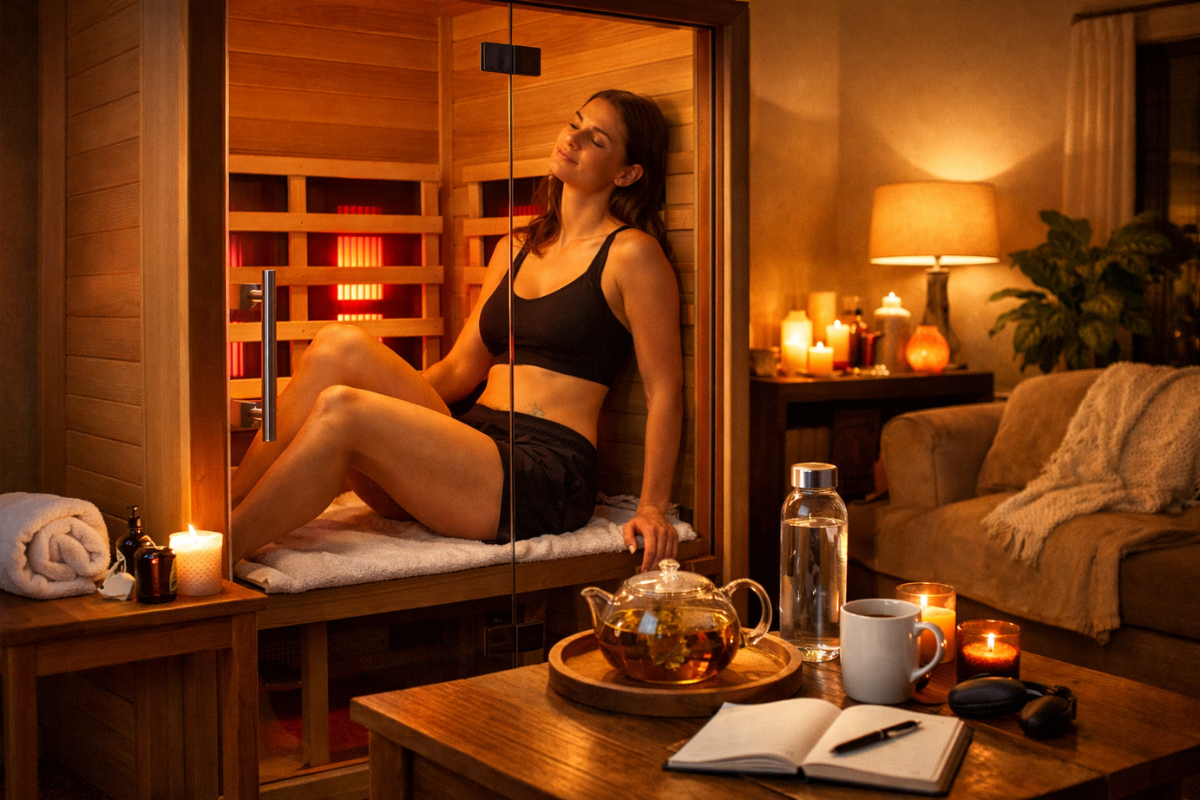
Circulation progress depends on frequency and session intensity. Some people notice improvements in warmth and blood flow after just 3–5 sessions. For others—especially individuals with restricted circulation or higher stress levels—meaningful shifts may appear after 2–4 weeks of consistent use.
Studies referenced by PubMed research suggest measurable improvements in endothelial responsiveness after multiple repeated heat sessions. This process reflects how blood vessels adapt to steady thermal exposure, potentially supporting long-term cardiovascular comfort.
However, timelines vary. Genetics, medications, hydration, and sleep can influence circulation changes. Heat tolerance will also evolve, allowing users to gradually extend sessions.
Looking for deeper performance explanations? Visit the infrared research archive →
Hydration, Electrolytes & Circulation Safety

Sweating increases significantly during infrared sauna use, meaning the body loses water and electrolytes each session. Because blood volume plays a direct role in maintaining blood pressure and circulation, hydration strategies matter. Drinking water before and after heat exposure can help maintain vascular stability and avoid dizziness.
Cleveland Clinic cardiovascular guidance notes that people prone to dehydration or low blood pressure should monitor their responses, especially during longer sessions. Electrolyte-rich beverages or lightly salted foods may help support plasma volume and keep circulation steady.
Anyone with existing heart rhythm conditions, implanted cardiac devices, or uncontrolled hypertension should speak with a clinician before beginning heat therapy to ensure temperature and timing guidance match personal medical needs.
For more support resources, contact Sauna Sage through our contact page →
Using Infrared Saunas for Circulation: Who Benefits Most?

People who struggle with cold extremities, stress-related blood pressure changes, or sluggish post-exercise muscle recovery may experience circulation improvements from steady infrared sauna use. Thermal conditioning can complement a wide range of wellness goals—whether improving daily movement comfort, easing muscle tension, or supporting relaxation routines.
Those who may benefit most often include:
- athletes and active adults with high recovery demands
- individuals with sedentary work lifestyles
- older adults seeking gentle cardiovascular conditioning
- people aiming to reduce stress-related tension and sleep discomfort
However, individuals with uncontrolled hypertension, limited heat tolerance, or recent cardiovascular events should begin slowly and consult a clinician for guidance.
To compare major sauna categories, read our Buyer’s Guide →
Final Thoughts: Improving Circulation With Infrared Heat
Infrared sauna therapy offers a unique way to support circulation and blood pressure balance through gentle, heat-driven vasodilation. The science around nitric oxide production, endothelial function, and vascular elasticity suggests that consistent sessions may help improve warmth in the extremities, enhance cardiovascular comfort, and complement fitness recovery goals.
For people managing stress, tight muscles, or cold hands and feet, the deep heat of infrared wavelengths can feel restorative. Over time, repeated sessions may support healthier long-term patterns in blood flow and vascular responsiveness. Used safely, saunas can be a practical addition to a heart-healthy lifestyle.
If you’re exploring sauna options for circulation and cardiovascular benefits, start by reviewing the 2025 Infrared Sauna Buyer’s Guide → which explains home sauna categories and key decision criteria.
For wellness questions, reach out through our contact page → —we’re happy to help.