Infrared Sauna for Immune System Support: 2025 Science & Strategy Guide
Published: July 26, 2025
Last updated: December 9, 2025

Cold and flu seasons seem to arrive earlier and stay longer these days, so it’s natural to wonder whether an infrared sauna for immune system support can give you a real-world edge. The short answer: infrared heat isn’t a magic shield against every virus, but used wisely, it may support several pillars of immune health — from circulation and stress reduction to better sleep and recovery. 💪
This 2025 science & strategy guide walks you through how your immune system works, what current research actually says about sauna bathing and respiratory infections, and how to build practical, safe sauna routines into your week. You’ll also see when to be cautious and why sauna sessions should complement — not replace — basics like sleep, nutrition, and medical care.
If you’re just getting started with heat therapy and want to see how immunity fits into the bigger picture of circulation, pain relief, and recovery, you may also want to explore our broader infrared sauna benefits overview once you finish this guide.
How Your Immune System Works (Without the Textbook Jargon)
Before talking about infrared sauna for immune system support, it helps to understand what you’re actually trying to support. Your immune system is a network of organs, cells, and signaling molecules that constantly scan for threats like viruses and bacteria and then coordinate a response.
Two big “branches” do most of the work:
- Innate immunity – the fast, first responder system. Think skin, mucus, fever, and general inflammatory responses that try to stop invaders quickly.
- Adaptive immunity – the more targeted, “memory-based” system. T cells and antibodies learn to recognize specific germs so your body can respond faster the next time they show up.
Specialized white blood cells called T cells and B cells help identify and neutralize invaders, while signaling proteins called cytokines coordinate inflammation — ramping it up or down depending on what’s needed.
Authoritative medical centers like Cleveland Clinic and other immune system resources emphasize that a resilient immune system isn’t about “boosting” everything all the time. Instead, it’s about balance: strong enough to respond to threats, but regulated enough to avoid chronic, damaging inflammation.
That’s where lifestyle inputs — sleep, stress levels, movement, and recovery — matter. Sauna falls into that last category: a recovery and adaptation tool that may indirectly help your immune system function more smoothly.
What Heat Does to Your Body (and Why Saunas Feel Like a “Dry Fever”)
Most people describe a sauna session as feeling a bit like a controlled, relaxing fever. That feeling is actually a useful mental model. When you sit in an infrared sauna, your core temperature gradually rises and your body initiates several short-term responses:
- Increased circulation – Your heart rate climbs to light-exercise levels and blood vessels widen, improving blood flow to skin and muscles.
- Temperature stress – Heat stress stimulates the release of heat shock proteins, which help protect cells from damage and may influence immune activity.
- Hormetic stress – A brief, controlled stressor that can lead to positive adaptation over time (similar to moderate exercise).

Several studies on traditional Finnish sauna use suggest that regular heat exposure is associated with a lower risk of respiratory infections and improved markers of cardiovascular and overall health over time. For example, observational research has linked frequent sauna bathing with fewer incidents of common colds and respiratory diseases, although more rigorous trials are still needed to confirm cause and effect.
Infrared saunas work at slightly lower air temperatures but deliver heat more directly to the body. Early research and clinical experience — summarized in reviews such as those published in Mayo Clinic–affiliated journals and other peer-reviewed sources — suggests similar cardiovascular and relaxation benefits, with the potential to support immune health through better stress regulation, sleep, and circulation.
The key idea: sauna is a whole-body stress that your immune system has to adapt to. The goal isn’t to “overdo it,” but to use that stress strategically and safely so your body grows more resilient over time. 🌡️
What the 2025 Research Says About Sauna & Immunity
Evidence for an infrared sauna for immune system support is promising but still emerging. Most high-quality studies involve traditional Finnish saunas, though several findings help shape realistic expectations.
- Fewer colds in regular sauna users — A landmark study found that people who used a sauna several times per week experienced fewer common colds over the study period.
- Temporary immune cell activation — Single sessions can increase circulating white blood cells, especially in active individuals, suggesting a modest immune-training effect.
- Respiratory health benefits — Large cohort studies associate frequent sauna use with a reduced risk of pneumonia and chronic respiratory issues.
- Mixed data on treating active colds — Sauna doesn’t reliably shorten symptoms once a cold has already begun.
Reviews published in journals affiliated with major organizations like Research summary on sauna health benefits (PubMed) describe sauna as safe for most adults and supportive of cardiovascular and stress-related pathways. However, they emphasize the need for more controlled trials, especially on infrared-specific devices.
In short: sauna may support immune resilience indirectly through circulation, relaxation, and respiratory pathways, but it’s not a stand-alone treatment. For broader context, see our Infrared Sauna Benefits Guide.
Infrared vs Traditional Sauna: What’s Different for Immunity?
Most of the classic studies on sauna and immune health use traditional Finnish saunas, but many home users now prefer infrared. Here’s how the experience and potential immune implications differ:
- Temperature & comfort – Traditional saunas often run 170–195°F (77–90°C), while infrared units commonly sit around 120–150°F (49–65°C). Many people find infrared more comfortable and accessible for longer, gentler sessions.
- Heat delivery – Infrared heaters warm your body more directly, so your perceived core temperature can rise even though the air feels milder. That still creates a meaningful thermal stress for your cardiovascular and immune systems.
- Session length – Because infrared feels less intense on your skin, sessions often last 20–30 minutes, which may allow for a smoother, more sustainable habit — a key factor in gaining long-term benefits.
- Home convenience – For immune support, consistency matters. Being able to use an infrared sauna at home a few times per week can be more realistic than relying on a gym or spa.

While we don’t yet have large head-to-head trials directly comparing “infrared vs traditional” for infection rates, reputable sources like the Mayo Clinic’s infrared sauna FAQ point out that infrared appears safe for most healthy adults and may offer similar benefits to traditional sauna — with the main caveat being that we need more rigorous data.
From a practical standpoint, if you can use an infrared sauna consistently, comfortably, and safely, it’s a reasonable way to pursue many of the same immune-adjacent benefits seen in Finnish sauna research.
Simple Infrared Sauna Protocols for Immune Support
There’s no universal protocol for infrared sauna for immune system support, but we can create reasonable routines using patterns from sauna research and general safety guidance. Always confirm with your clinician if you have medical conditions or take medications.
Practical weekly routine
- Frequency: 3–4 sessions weekly
- Temperature: 120–140°F (49–60°C) for most beginners
- Duration: 15–25 minutes
- Best timing: Late afternoon or evening for stress reduction and better sleep
Simple session flow
- Before: Hydrate and avoid alcohol or large meals.
- During: Relax, breathe slowly, stop if dizzy or uncomfortable.
- After: Cool down gradually and rehydrate with electrolytes.
Consistency matters more than intensity. If you’re exploring options for home use, visit our 2025 Infrared Sauna Buyer’s Guide to compare dome, tent, and cabin setups.
Seasonal Strategies for Immune-Friendly Sauna Use
Sauna works best when used consistently rather than in occasional “marathon” sessions. Here’s how to adapt your routine through the seasons:
During cold & flu season
- Stick to 2–4 weekly sessions rather than long, intense uses.
- Prioritize sleep and hydration to complement the heat stress.
During stressful periods
- Use sauna as a relaxation tool — even short sessions help reduce perceived stress.
- Incorporate simple breathwork or meditation to support nervous-system balance.
If you feel something coming on
Gentle heat may feel soothing at the earliest stage of a cold, but higher temperatures are not recommended once fever or fatigue sets in. Guidance from institutions like Mayo Clinic and NIH emphasizes avoiding overheating when ill.
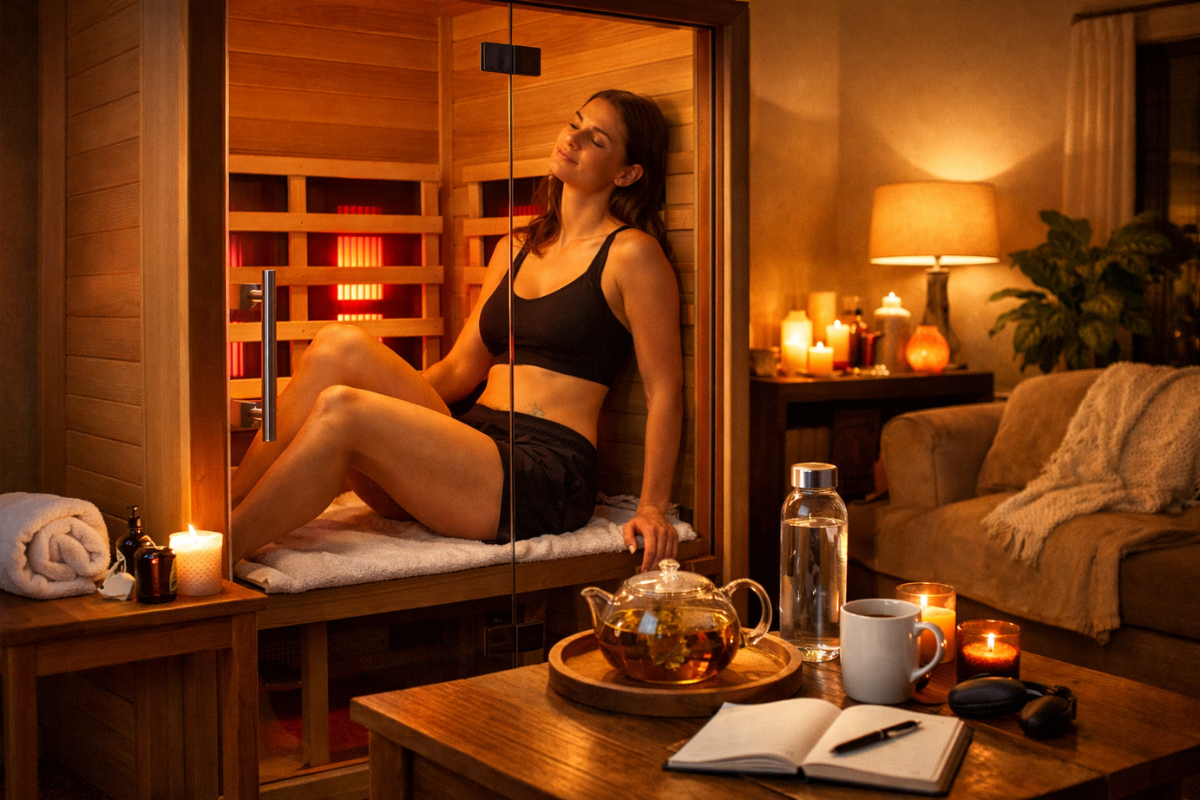
When unsure, skip the session and consult your healthcare provider. Sauna is most effective as a long-term resilience habit, not a rapid remedy.
Infrared Sauna vs Other Immune-Support Habits
Infrared sauna is one piece of the immune-health puzzle. It tends to work best when layered alongside basics like sleep, movement, and nutrition — all of which are strongly supported by research from organizations such as Cleveland Clinic and NIH.
| Strategy | Main Benefit for Immunity | Primary Mechanisms | Best Use Pattern |
|---|---|---|---|
| Infrared sauna | Supports overall resilience and recovery | Heat stress, circulation, stress reduction, possible immune cell activation | 3–4 sessions/week, 15–25 min, comfortable heat level |
| Sleep optimization | Improves adaptive immune function and antibody response | Hormone balance, cytokine regulation, tissue repair | 7–9 hours/night, consistent schedule |
| Moderate exercise | Enhances circulation and immune surveillance | Increased blood flow, anti-inflammatory effects over time | Most days of the week, moderate intensity |
| Nutrient-dense diet | Provides raw materials for immune cells and antioxidants | Vitamins, minerals, phytonutrients, gut health | Daily, focusing on whole foods and healthy fats |
| Stress management | Reduces chronic cortisol load that can suppress immunity | Nervous system regulation, improved sleep, lower inflammation | Daily practices like breathwork, time in nature, sauna, or mindfulness |
The takeaway: sauna can be a powerful supportive tool, but it works best as part of a complete lifestyle framework rather than a standalone “immune hack.”
Real-World Examples: How People Use Infrared Saunas for Immune Support
To make this more concrete, here are a few common ways people integrate an infrared sauna for immune system support into everyday life. These are general examples — always personalize based on your health status and professional guidance.
Example 1: The “Busy Professional” Routine
- Sessions: Monday, Wednesday, Friday evenings.
- Duration: 20 minutes at a comfortable heat level.
- Focus: Stress relief after work, followed by a screen-free wind-down and earlier bedtime.
Example 2: The “Winter Warrior” Routine
- Sessions: 3–4 times per week during peak cold and flu season.
- Layered with: Vitamin-rich meals, moderate exercise, and strict hand-washing habits.
- Goal: Support circulation, warmth, and relaxation when outdoor time is limited.
Example 3: The “Recovery-Focused Athlete” Routine
- Sessions: 2–3 times per week on lighter training days.
- Focus: Muscle relaxation, improved circulation, and nervous system down-regulation to complement training.
- Benefit: Better recovery can indirectly support immune resilience by avoiding chronic overtraining.

If you’d like help choosing a sauna that matches your space and routine, you can always circle back to our Best Infrared Saunas 2025 Buyer’s Guide for size comparisons, EMF considerations, and setup tips.
When Infrared Sauna May Not Be a Good Fit
Sauna research generally shows good safety for many healthy adults, but there are important exceptions. If any of the following apply, talk to your healthcare provider before using an infrared sauna for immune system support:
- Cardiovascular issues – History of heart disease, uncontrolled high or low blood pressure, or recent cardiac events.
- Heat sensitivity or fainting spells – If you’re prone to dizziness or syncope, sauna heat may not be appropriate.
- Pregnancy – Many clinicians recommend avoiding high heat exposures during pregnancy.
- Immune-compromising conditions – Autoimmune diseases, immunosuppressive medications, or cancer treatments may change how your body handles heat.
- Active fever or acute illness – If you already have a fever, chills, or feel very unwell, most experts recommend rest and medical guidance over additional heat stress.
Trusted sources like Mayo Clinic and reviews indexed on PubMed consistently emphasize simple safety rules: stay hydrated, avoid alcohol, keep sessions reasonable, and stop immediately if you feel unwell.
If you have any doubts, consider booking a visit with a primary care provider or specialist to discuss sauna use in the context of your specific immune or cardiovascular situation.
And remember: you can always reach out via our Sauna Sage contact page if you’d like us to help you frame questions for your physician or think through safer starting points.
Safety, Hydration & Recovery Tips for Immune-Support Sauna Use
A few simple habits ensure your immune system benefits from infrared heat rather than feeling depleted.
Before your session
- Drink water (electrolytes if you sweat heavily).
- Avoid alcohol and large meals.
- Skip the session if you feel dizzy or unwell.
During your session
- Start at 10–15 minutes and gradually increase.
- Sip water if needed and stop if you feel uncomfortable.
After your session
- Cool down gently with a seated rest or lukewarm shower.
- Rehydrate and eat a nutrient-dense meal to support recovery.

High-quality sleep is one of the strongest contributors to immune balance, according to organizations like NIH and Cleveland Clinic. Sauna’s relaxation effects can indirectly support this pillar.
FAQ: Infrared Sauna and Your Immune System
Can an infrared sauna prevent me from getting sick?
No sauna, infrared or otherwise, can guarantee that you won’t get sick. Studies suggest that regular sauna use may reduce the incidence of some respiratory infections and support cardiovascular and stress-related pathways, but it’s not a replacement for vaccines, medical care, or basic hygiene.
Is infrared sauna safe if I have an autoimmune condition?
It depends on your diagnosis, medications, and overall health. Some people with autoimmune conditions tolerate gentle heat well; others don’t. Always talk with your rheumatologist or primary care provider before using an infrared sauna, and start with very short, low-temperature sessions if you’re cleared to try it.
Should I use an infrared sauna when I already have a fever?
Most clinicians advise against adding additional heat stress when you already have a fever or feel significantly ill. Rest, hydration, and appropriate medical care matter more in that situation. Sauna is best used for long-term resilience, not as a “quick fix” once you’re sick.
How long does it take to notice immune-related benefits?
In studies where sauna was associated with fewer colds or better respiratory outcomes, benefits showed up over weeks to months of consistent use — not after one or two sessions. Think of infrared sauna as a long-term lifestyle habit, not a single intervention.
If you’re ready to explore models and setups that can support consistent use, our main infrared sauna buyer’s guide and infrared sauna blog index can help you go deeper on specific questions.
Bringing It All Together: A Calm, Consistent Approach to Immune Support
Used thoughtfully, an infrared sauna for immune system support can be a powerful ally. Regular sessions appear to:
- Provide a gentle, hormetic heat stress that may influence immune cell activity.
- Support circulation, cardiovascular health, and respiratory comfort over time.
- Promote relaxation and better sleep — two of the most important pillars of immune resilience.
At the same time, the science is clear on a few non-negotiables:
- Saunas do not replace vaccines, medications, or clinical care.
- Overheating, dehydration, or ignoring medical conditions can turn a helpful stressor into a harmful one.
- Consistency and moderation matter far more than “extreme” heat or marathon sessions.
If you want to make sauna a dependable part of your wellness routine, your next best step is to choose equipment that fits your space, budget, and health profile — without getting lost in marketing claims.
Ready to choose a sauna that supports your immune health?
Explore our in-depth comparisons of domes, tents, and cabin saunas, plus EMF, footprint, and budget considerations in the 2025 Infrared Sauna Buyer’s Guide →
Still have questions about safety, session timing, or how sauna fits with your specific health situation? You can reach out any time via our Sauna Sage contact page, or keep exploring more science-backed guides in the Infrared Sauna Blog.
Sauna is most powerful when it supports the rest of your life — helping you feel calmer, sleep better, and stay resilient in a world that constantly asks for more. 🌟