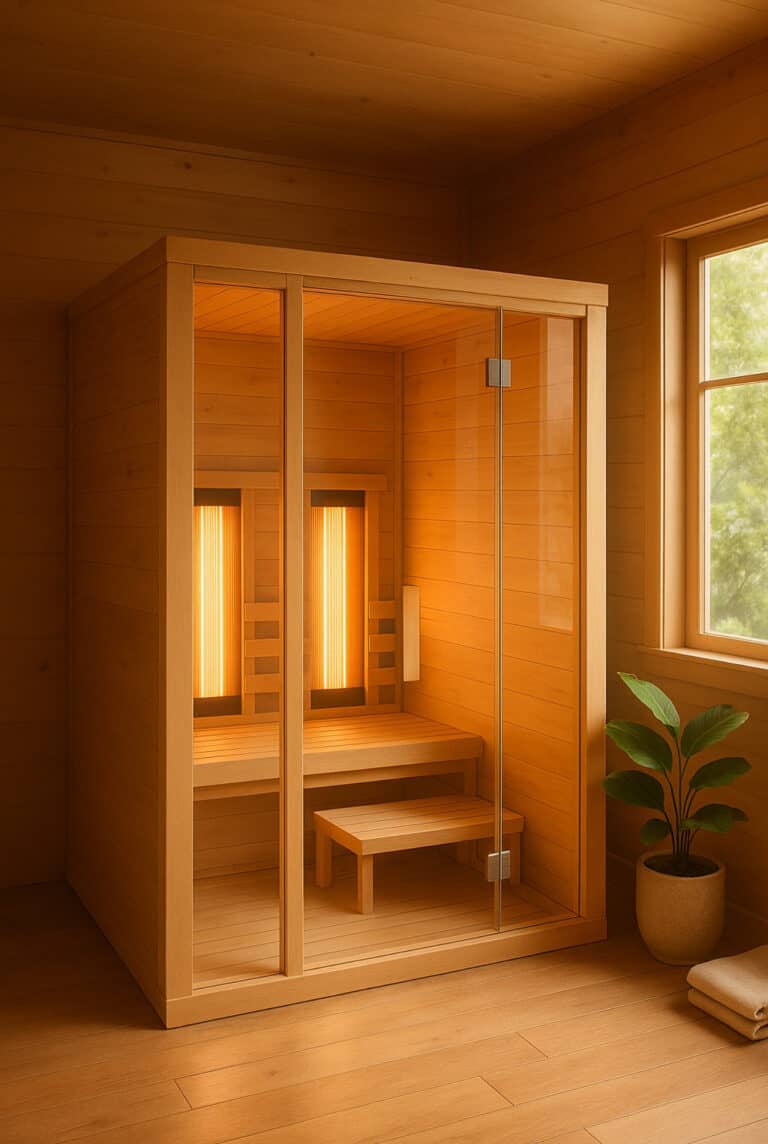
Infrared Sauna for Skin Health: Clearer Skin Through Science
Published: July 14, 2025
Last updated: December 9, 2025

Infrared Sauna for Skin Health: What This Guide Covers 🧖♀️✨
If you’re looking into an infrared sauna for skin health, you’re probably hoping for something practical: clearer-looking skin, fewer “flare days,” and a routine that supports your skin barrier instead of irritating it.
This post explains what infrared heat may do (and what it can’t do) for common skin goals—like supporting circulation, stress recovery, and post-workout “skin calm.” We’ll also cover how to sauna without triggering dryness, redness, or breakouts—because the details (timing, temperature, shower habits, and hydration) matter.
Important note: Skin conditions can be medical. This guide is educational and focuses on wellness routines, not diagnosis or treatment. If you have persistent symptoms (or conditions like eczema, rosacea, psoriasis, or severe acne), use this as a conversation-starter with a clinician.
Quick next step (no pressure)
If you’re still choosing a setup (dome vs tent vs cabin), start here: 2025 Infrared Sauna Buyer’s Guide →
Up next, we’ll break down the skin-friendly “why” (heat + circulation + recovery), then get very specific about how to use infrared sessions for skin goals—without overdoing it. ✅
How Infrared Heat Interacts With Your Skin
Infrared saunas heat the body differently than traditional steam or dry saunas. Instead of primarily warming the air, infrared wavelengths penetrate the skin’s surface and gently raise tissue temperature. This matters for skin health because many visible skin changes are influenced by circulation, inflammation, and recovery—not just surface cleansing.
When skin tissue warms:
- Blood vessels temporarily dilate, increasing local circulation
- Oxygen and nutrient delivery to skin cells improves
- Metabolic waste products may clear more efficiently
- The nervous system shifts toward a parasympathetic (recovery) state
According to clinical overviews from the Mayo Clinic, circulation plays a foundational role in skin repair and barrier maintenance—especially after stress, exercise, or poor sleep.

This is why many people describe post-sauna skin as looking “brighter” or “more even”—a short-term effect driven by blood flow rather than detox myths or pore changes.
For a broader overview of how infrared heat fits into full-body wellness, see our infrared sauna benefits guide .
Circulation, Oxygen, and Skin Cell Turnover
Healthy-looking skin relies on continuous renewal. Old cells shed, new cells form, and structural proteins like collagen help maintain firmness and texture. While topical products work from the surface down, infrared sauna sessions support skin health from the inside out by influencing circulation and oxygen delivery.
Improved blood flow may help support:
- Keratinocyte turnover, which affects skin smoothness and tone
- Fibroblast activity involved in maintaining collagen structure
- Delivery of oxygen and micronutrients needed for repair processes
- Removal of inflammatory byproducts after stress or physical exertion
Thermal exposure has been shown in PubMed-indexed reviews to increase peripheral circulation—one of the baseline requirements for tissue recovery across the body, including skin.

It’s important to keep expectations realistic. An infrared sauna doesn’t directly “boost collagen” or reverse aging. Instead, it may help create an internal environment—through circulation and recovery—where normal skin maintenance processes can function more efficiently over time.
This is why most visible skin changes occur gradually, often after several weeks of consistent, moderate use rather than after a single intense session.
For a broader look at how circulation fits into full-body wellness, see our infrared sauna benefits overview .
Skin Benefits People Commonly Report (And Why)
While individual results vary, several skin-related benefits are commonly reported by regular infrared sauna users. Understanding the “why” helps separate realistic expectations from hype.
1. Temporary Glow and Even Tone
Increased blood flow brings more oxygenated blood to the skin surface. This often produces a short-term glow or evenness that fades naturally within hours.
2. Reduced Stress-Related Flare Patterns
Stress hormones like cortisol are strongly associated with acne flares and inflammatory skin conditions. Infrared sauna sessions may help downshift stress responses, a mechanism supported by research from the Cleveland Clinic.
3. Post-Workout Skin Calm
After exercise, increased circulation and heat exposure may help normalize skin temperature and clear metabolic waste—especially when followed by a gentle rinse.
What infrared saunas do not do:
- They do not “clean pores” in a permanent way
- They do not replace medical treatment for skin disease
- They do not remove toxins stored in skin cells
Used correctly, an infrared sauna for skin health works best as a supportive recovery tool—not a miracle fix.
Next, we’ll look at how sweating, hydration, and shower timing can either help or hurt your skin outcomes.
Sweating, Hydration, and Skin Balance
Sweating is often misunderstood in skincare. In an infrared sauna for skin health, sweat itself isn’t “detoxing” your pores—but it does play a role in skin comfort and balance when paired with proper hydration.
During an infrared session:
- Sweat helps regulate body temperature
- Electrolytes and water are lost through the skin
- Skin surface moisture temporarily increases
If hydration isn’t managed, that temporary moisture can flip into post-session dryness, which is one of the most common reasons people report irritation or tightness.

Skin-friendly hydration tips:
- Drink water before your session, not just after
- Consider electrolytes if sessions exceed 30 minutes
- Avoid alcohol before sauna use—it worsens skin dehydration
The NIH emphasizes hydration as a key factor in maintaining healthy skin barrier function, especially during heat exposure.
Acne, Breakouts, and Congested Skin: What to Expect
One of the most common questions is whether an infrared sauna can help—or worsen—acne. The answer depends far less on heat itself and far more on what happens before and after the session.
Infrared sauna use may support acne-prone skin by:
- Reducing stress-related hormone fluctuations
- Improving circulation to healing blemishes
- Encouraging consistent post-session cleansing habits
However, breakouts may worsen if:
- Sweat dries on the skin for extended periods
- Heavy creams or occlusives are applied before sessions
- Reusable towels, headrests, or face cloths aren’t cleaned frequently

Sweat itself isn’t dirty, but it can trap oils and bacteria against the skin if not removed. This is why timing matters.
If you’re trying to decide which sauna style is easiest to keep clean for acne-prone skin (dome vs tent vs cabin), our best infrared sauna domes roundup breaks down comfort, materials, and wipe-down practicality.
Best practice for acne-prone skin:
- Rinse with lukewarm water within 10–15 minutes post-session
- Use a gentle, fragrance-free cleanser if needed
- Apply a lightweight, non-comedogenic moisturizer
When managed correctly, infrared sauna sessions are often neutral-to-supportive for acne. When hygiene is inconsistent, they can amplify existing issues.
For additional context on inflammation and recovery, see our infrared sauna benefits guide .
Sensitive Skin, Rosacea, and Eczema Considerations
Heat sensitivity varies widely. For people with rosacea, eczema, or highly reactive skin, infrared sauna use must be conservative.
Potential advantages of infrared (over traditional saunas) include:
- Lower ambient air temperatures
- More controllable session intensity
- Reduced humidity compared to steam rooms
That said, heat is still a known trigger for some inflammatory skin conditions. The Mayo Clinic lists overheating and dehydration as common flare contributors for eczema-prone skin.

Conservative starting protocol:
- Temperature: 110–120°F
- Duration: 10–15 minutes
- Frequency: 1–2 sessions per week
If flushing, burning, or itching persists after sessions, discontinue use and consult a healthcare professional.
Skin-Focused Infrared Sauna Protocol Comparison
| Skin Goal | Temperature | Session Length | Frequency | Key Tip |
|---|---|---|---|---|
| General skin glow | 120–130°F | 20–30 min | 2–3× / week | Hydrate before & after |
| Stress-related breakouts | 115–125°F | 15–25 min | 2× / week | Rinse skin promptly |
| Sensitive or reactive skin | 110–120°F | 10–15 min | 1–2× / week | Stop at first irritation |
This table is meant as a starting framework, not a prescription. Individual tolerance varies, and less is often more when skin health is the goal.
If you’re choosing equipment specifically for lower-temperature, skin-friendly sessions, our Buyer’s Guide compares domes, tents, and cabins by heat feel and control.
Daily Routines: Where Infrared Sauna Fits for Skin Health
For skin-focused goals, when you use an infrared sauna matters almost as much as how hot or how long. The goal is to support circulation and recovery without overstressing the skin barrier.
Common skin-friendly timing options:
- Evening sessions — help unwind stress that contributes to flare-ups and support overnight recovery
- Post-workout (after cooling down) — supports circulation without trapping sweat under occlusive skincare
- Non-training days — ideal for sensitive or acne-prone skin

Avoid: applying heavy oils, retinoids, or active exfoliants immediately before sauna use. Heat can amplify irritation and redness.
Many users find that pairing sauna use with a simple nighttime routine—gentle cleanse, light moisturizer, good sleep—delivers the most consistent skin improvements.
Who Benefits Most (And Who Should Be Cautious)
An infrared sauna for skin health isn’t universal. Some people see noticeable improvements in comfort and appearance, while others need a lighter approach—or none at all.
You may benefit most if you:
- Experience stress-related skin flare patterns
- Have dull-looking skin linked to poor circulation
- Want a recovery-focused wellness ritual
Proceed cautiously if you:
- Have rosacea triggered by heat
- Struggle with dehydration or barrier damage
- Are using prescription topical treatments
If you’re unsure, starting with shorter, cooler sessions is safer than pushing intensity.
Questions about safe use? You can always reach out through our Contact page .
Simple Tips to Enhance Skin Results
Minor adjustments can make a meaningful difference in how your skin responds to infrared sauna sessions. These tips focus on protecting the skin barrier while still gaining recovery benefits.
Skin-supportive habits:
- Bring a clean face towel to gently blot sweat instead of rubbing
- Rinse skin shortly after sessions—don’t let sweat dry completely
- Reapply a lightweight moisturizer within 10–20 minutes
- Wash towels, seat covers, and headrests frequently

Two often-overlooked factors:
- Frequency tracking: If skin irritation appears, reduce sessions rather than lowering hydration alone.
- Seasonal adjustments: In colder months, skin may need shorter sessions and richer moisturizers; in warmer months, focus on prompt cleansing.
Most people see better skin outcomes with consistency and moderation rather than higher temperatures or longer sessions.
A Simple Decision Framework for Skin Goals
If you’re deciding whether to use infrared sauna sessions specifically for skin health, this quick framework can help.
- If stress worsens your skin → prioritize low-temperature evening sessions
- If dryness is your main issue → shorten sessions and increase hydration
- If acne flares easily → focus on post-session cleansing
- If sensitivity dominates → limit frequency and stop at first irritation
For equipment selection—especially if temperature control and comfort matter—review our infrared sauna Buyer’s Guide for side-by-side comparisons.
Conclusion: A Smarter Way to Use Infrared Sauna for Skin Health
An infrared sauna for skin health isn’t about chasing extreme heat or quick fixes. When used thoughtfully, it can support circulation, stress recovery, and overall skin comfort—factors that strongly influence how skin looks and feels day to day.
The biggest takeaway is simple: protocol matters more than intensity. Moderate temperatures, proper hydration, gentle post-session cleansing, and consistency over time create the conditions where skin can recover rather than react.
If your skin concerns are stress-related, circulation-related, or tied to recovery after workouts, infrared sauna sessions may be a valuable addition to your wellness routine. If you have sensitive or medically complex skin conditions, a conservative approach—or professional guidance—is essential.
Next steps:
- Decide whether skin health is your primary or secondary sauna goal
- Choose equipment that allows precise temperature control
- Start slow and track how your skin responds over several weeks
To explore the best infrared sauna options by format, heat feel, and real-world use, visit our 2025 Infrared Sauna Buyer’s Guide .