
Infrared Sauna Risks & Contraindications: What You Need to Know Before You Sweat
Published: August 27, 2025
Last updated: December 20, 2025

Infrared Sauna Risks & Contraindications: Start With Safety 🚦
Infrared saunas are often marketed as a gentle, low-temperature way to sweat, detox, and relax. For many generally healthy adults, that can be true. But “gentler” does not mean “risk-free,” especially if you have certain medical conditions, take specific medications, or push too hard too fast.
This guide walks you through the most important infrared sauna risks and contraindications so you can have an informed conversation with your healthcare provider before you sweat. You’ll learn:
- How infrared heat stresses your body (in a good way for some, risky for others)
- Which conditions may make sauna use unsafe or require medical clearance
- How medications, hydration, and room setup affect your risk profile
- Red-flag symptoms that mean you should shorten, skip, or stop a session
Nothing here is medical advice or a diagnosis. Instead, think of this as a safety checklist you can pair with our infrared sauna benefits guide and your clinician’s judgment to decide if sauna use makes sense for you right now.
If you’re just beginning to explore sauna brands, you can also bookmark our main Infrared Sauna Buyer’s Guide for later, once you’ve confirmed that sauna use is safe for your situation.
How Infrared Saunas Stress the Body (And Why That Matters for Risk)
To understand contraindications, it helps to know what an infrared sauna actually does to your body. Unlike a traditional sauna that heats the air, infrared heaters emit wavelengths that penetrate a bit deeper into the skin and soft tissues. The result is a different kind of heat load with overlapping effects:
- Core temperature rises gradually over the session.
- Heart rate increases to move warm blood toward the skin and help release heat.
- Blood vessels dilate, which can lower blood pressure in some people.
- Sweating ramps up, increasing fluid and electrolyte loss.
For many people, this controlled “stress” can feel relaxing and even support cardiovascular fitness over time when used appropriately. But any therapy that:
- Raises heart rate
- Lowers blood pressure
- Alters fluid balance
will naturally carry more risk for people with heart disease, unstable blood pressure, or fragile health overall. That’s why large reviews of sauna use emphasize that sessions are well tolerated by most stable patients, but must be avoided in those with unstable cardiovascular status or acute illness.

So the key safety questions are not “Is infrared sauna good or bad?” but rather:
- What is your health status?
- How intense and how long are your sessions?
- Are you modifying sessions (or skipping them) when your body gives you warning signs?
Who Should Talk to a Doctor Before Using an Infrared Sauna 🩺
Almost everyone should check in with a healthcare professional before starting any new heat therapy, but for some groups, medical clearance is essential before stepping into an infrared sauna.
You should talk to your doctor first if you:
- Have any type of heart disease (past heart attack, heart failure, valve disease, arrhythmias)
- Live with uncontrolled high or low blood pressure
- Have a history of fainting, dizziness, or orthostatic intolerance
- Are pregnant or trying to conceive
- Have multiple sclerosis or another condition that worsens with heat
- Have kidney disease or disorders affecting fluid balance
- Are taking medications that influence blood pressure, heart rate, or sweating
- Have recent surgery or are recovering from major illness
Your clinician may still approve infrared sauna use, but often with limits on temperature, session length, and frequency. In some cases, they may recommend avoiding sauna entirely.
If you want a broader overview of how saunas interact with different health goals (relaxation, cardiovascular support, muscle recovery), explore our main infrared sauna blog index after you’ve read through the key contraindications below.
Cardiovascular Risks & Contraindications ❤️
Most research suggests that regular sauna use can be supportive for many people with stable cardiovascular disease when used sensibly. At the same time, cardiology reviews consistently warn that there are clear situations where sauna use is not appropriate.
Commonly cited cardiovascular contraindications include:
- Unstable angina or chest pain at rest
- Recent heart attack (myocardial infarction)
- Severe aortic stenosis or other advanced valve disease
- Decompensated heart failure or acute exacerbations
- Serious, uncontrolled arrhythmias
- Very low blood pressure or frequent fainting
Even for people with stable heart disease, medical teams often recommend:
- Lower temperatures and shorter sessions
- Avoiding sudden cold plunges immediately after heat
- Sitting rather than standing up abruptly after a session

If you have any cardiovascular diagnosis, your safest path is simple: do not self-clear for sauna use. Bring up infrared saunas specifically with your cardiologist or primary care provider and ask:
- Is an infrared sauna safe for me right now?
- If yes, what temperature, duration, and frequency would you recommend?
- Are there any warning signs where you’d want me to stop immediately and call your office?
Once you’ve clarified safety, you can return to more practical questions like which infrared sauna design might fit your home and regimen by using our 2025 Infrared Sauna Buyer’s Guide.
Heat Intolerance, Neurologic & Autoimmune Conditions
Some health conditions are especially sensitive to heat. In these cases, even modest rises in body temperature can temporarily worsen symptoms, so clearance is important.
Examples that often require caution include:
- Multiple sclerosis (MS) – Heat may worsen weakness or fatigue for some individuals.
- Dysautonomia / POTS – Heat stress can influence blood pressure and heart rate control.
- Autoimmune flare periods – When inflammation is high, added heat may feel harder to tolerate.
- Prior severe heat illness – Extra care is wise to avoid repeat events.
If you fall into these categories, sauna use is not automatically unsafe, but usually requires:
- Medical clearance first
- Shorter, cooler sessions if allowed
- Stopping immediately if symptoms worsen
For neurologic or autoimmune conditions, the safest path is to under-dose heat initially and increase only if well tolerated.
Pregnancy, Fertility, and Hormone-Sensitive Situations 🤰
Because saunas raise core body temperature, they fall into a category of “high-heat exposures” that are usually discouraged in pregnancy, especially in the first trimester. Professional guidelines for hot tubs and traditional saunas generally recommend avoiding them during pregnancy, and many infrared sauna providers follow the same conservative stance.
Common guidance includes:
- Pregnancy: Avoid infrared sauna use unless your obstetric provider explicitly clears it and gives very specific limits.
- Trying to conceive: High heat may temporarily reduce sperm quality, so partners concerned about fertility may wish to avoid very hot, prolonged sessions.
- Hormone-sensitive conditions: If you have complex endocrine issues, check with your endocrinologist before regularly using any heat therapy.

As a general rule, if you see pregnancy listed under contraindications for a local spa sauna, you should assume the same caution at home. Heat therapy can be revisited later in life; pregnancy is not the time to experiment aggressively.
Medications, Alcohol, and Other Hidden Risk Amplifiers
Even healthy adults can respond differently to heat if taking certain medications or substances. Some change circulation or sweating and may increase dizziness risk.
Situations that may require medical review include:
- Diuretics – Increase fluid loss.
- Beta blockers – Modify heart rate response.
- Blood pressure medications – May influence lightheadedness.
- Psychoactive drugs or antihistamines – Sometimes affect heat tolerance.
- Alcohol use – Generally discouraged before or during sauna use.
Because medication lists are complex, most people benefit from asking their clinician whether heat exposure fits safely with their prescriptions and dosage timing.
Want a safer starting point?
After safety clearance, explore our infrared sauna benefits overview to shape a low-risk routine.
Sauna Safety Snapshot: Who Can Usually Use, Who Needs Clearance, Who Should Avoid
Every body is different, but it can help to see a high-level snapshot of how clinicians often think about sauna safety. This table is not medical advice — it’s a conversation starter you can bring to your own provider.
| Health Situation | General Guidance | Typical Precautions |
|---|---|---|
| Healthy adult, no major conditions | Usually safe with sensible use | Shorter sessions, hydrate well, avoid alcohol |
| Stable cardiovascular disease | Often allowed with clearance | Doctor-approved temp and duration, avoid sudden position changes |
| Unstable angina, recent heart attack | Generally contraindicated | Avoid sauna unless cardiologist specifically approves a protocol |
| Multiple sclerosis or severe heat intolerance | Often high risk | Medical clearance required; stop at first sign of symptom worsening |
| Pregnancy (especially first trimester) | Commonly discouraged | Avoid unless obstetric provider clearly approves |
| On diuretics, beta blockers, or other high-risk meds | Needs clinician review | Check for interactions with heat, start low and slow if approved |
| Recent major surgery or acute illness | Generally wait until fully recovered | Get clearance before resuming sauna use |
Use this as a framework, then individualize it with your own clinician’s advice. When in doubt, err on the side of shorter, cooler, and less frequent sessions — or pausing entirely until your situation is clearer.
Skin Conditions, Wounds, and Implants
Because infrared saunas increase circulation and sweating, skin and implant considerations matter.
Users should be cautious if they have:
- Open wounds or recent incisions
- Severe rashes or active infections
- Recent tattoos
- Implants or medical devices such as pacemakers
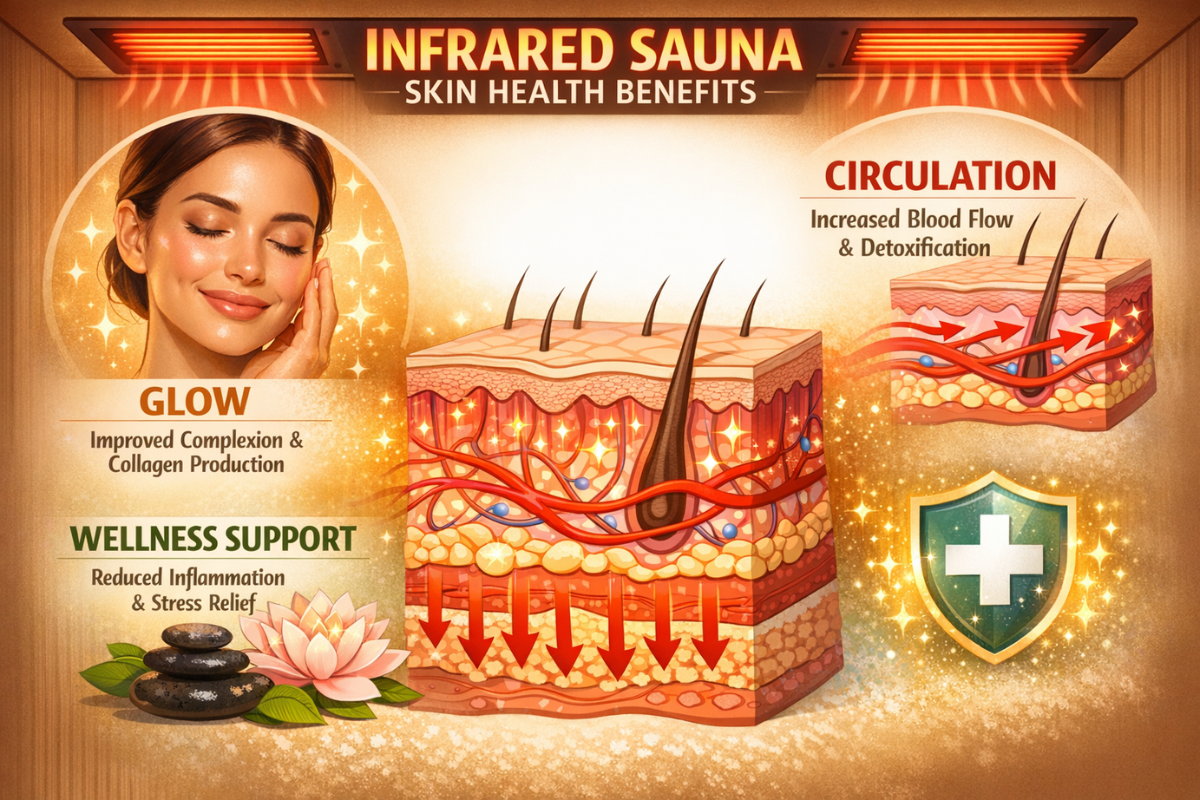
If you are healing from surgery or injury, most people wait until cleared by a clinician before resuming heat exposure.
Dehydration, Electrolytes, and Overheating 💧
Even gentle-feeling infrared saunas can drive significant sweat loss in a short time. Over multiple sessions per week, that can add up — especially if you already struggle with low blood pressure, dizziness, or high training loads.
Key risk factors for dehydration and overheating include:
- Arriving to your session already dehydrated (after exercise, travel, or alcohol)
- Using very high temperatures or extending sessions well past 20–30 minutes
- Layering infrared sauna on top of other heavy sweating activities the same day
- Ignoring early warning signs like headache, nausea, or feeling “off”
Simple safeguards can dramatically reduce risk:
- Drink water before and after; consider electrolytes if you sweat heavily
- Start with shorter, cooler sessions (for example, 10–15 minutes)
- Stand up slowly at the end of each session
- Skip sauna on days when you’re ill, exhausted, or already overheated
For a more benefit-focused look at how to structure gentle, realistic sauna routines, see our infrared sauna benefits and protocols overview after you’ve reviewed the risk sections here.
Pre-Session Safety Checklist: Quick Questions
Before each session, run a short safety check. Health status changes day to day.
- Feeling sick? Fever or infection → skip.
- Hydrated? Arriving thirsty increases dizziness risk.
- Medication changes? Review new prescriptions with a clinician.
- Alcohol recently? Best to delay your sauna session.
- Already dizzy or lightheaded? Avoid heat today.

If you are unsure about a symptom or medication interaction, restarting later is safer than pushing through.
Red-Flag Symptoms and Key FAQs About Infrared Sauna Risks 🚩
During any infrared sauna session, it’s important to watch for red-flag symptoms. If you notice any of the following, end the session immediately, cool down gradually, and contact a healthcare professional if symptoms do not resolve quickly:
- Chest pain, tightness, or pressure
- Marked shortness of breath
- Severe headache or sudden visual changes
- Confusion, difficulty speaking, or feeling “out of it”
- Fainting, near-fainting, or inability to stand steadily
- Fast, pounding, or irregular heartbeat that feels alarming
Infrared Sauna Risks & Contraindications: Frequently Asked Questions
Q: Who should avoid using an infrared sauna?
A: People with unstable heart disease, recent heart attack, severe valve disease, uncontrolled blood pressure, significant heat intolerance (such as in some MS cases), acute illness, or major recent surgery are often advised to avoid sauna use unless a specialist explicitly approves it.
Q: Is an infrared sauna safe if I have heart disease?
A: Some research suggests sauna use can be well tolerated and even beneficial in stable cardiovascular disease when supervised. However, only your cardiologist or primary care provider can decide if it is appropriate for your individual situation and what limits you should follow.
Q: Can you use an infrared sauna while pregnant?
A: Most guidelines recommend avoiding hot tubs and saunas in pregnancy, particularly in the first trimester, due to concerns about elevated core temperature. Always ask your obstetric provider directly before considering any heat therapy while pregnant.
Q: What medications can make infrared sauna use unsafe?
A: Drugs that affect blood pressure, heart rate, fluid balance, or temperature regulation — such as diuretics, beta blockers, some blood pressure medications, certain psychiatric drugs, and some antihistamines — may increase risk for dizziness, overheating, or fainting. Review your full medication list with your clinician before using a sauna.
Q: What symptoms mean I should stop an infrared sauna session?
A: Stop immediately if you feel chest pain, severe shortness of breath, confusion, visual changes, intense dizziness, or a racing, irregular heartbeat. Cool down gradually and seek medical care if symptoms are intense or do not resolve quickly.
Putting It All Together: Safe, Informed Infrared Sauna Use
Infrared saunas can be a supportive wellness tool for many people — but only when used in the right context, at the right intensity, and with clear awareness of risks and contraindications. The same heat that feels soothing to one body can be too much for another, especially in the presence of heart disease, pregnancy, fragile blood pressure, or heat-sensitive neurologic conditions.
If you remember only three things from this guide, let them be these:
- Get medically cleared if you have any significant health condition or take medications that affect your heart, blood pressure, or fluid balance.
- Start lower and slower than you think you need to — shorter sessions, moderate temperatures, plenty of hydration.
- Listen to red-flag symptoms and stop immediately if something feels “off,” even if your session just started.
Once safety is clearly established, you can explore how to use sauna time to support relaxation, recovery, and long-term wellness. A good next step is to read our science-backed overview of infrared sauna benefits and protocols so you can pair risk awareness with realistic, sustainable routines.
When you’re ready to compare specific sauna styles and layouts for your home, our comprehensive Infrared Sauna Buyer’s Guide walks through domes, portable tents, indoor cabins, and outdoor units with a safety-first lens.
Used thoughtfully, infrared saunas don’t have to be scary — they just need the same respect you’d give to any powerful wellness tool. Start with safety, move with caution, and let the benefits unfold over time rather than chasing extreme heat on day one.