
Infrared Sauna for Anxiety & Stress Relief: Can Heat Calm Your Mind?
Published: August 14, 2025
Last updated: December 22, 2025

Anxiety and chronic stress are no longer fringe concerns—they’re among the most common wellness challenges adults face today. As interest grows in non-pharmaceutical stress-management tools, many people are asking whether heat-based therapies can help calm the mind. One approach that continues to draw attention is the infrared sauna for anxiety.
Unlike traditional saunas that heat the surrounding air, infrared saunas deliver radiant heat that penetrates the body more directly. This difference changes how the nervous system responds—and may help explain why some users report feeling calmer, clearer, and more grounded after sessions.
This guide explores whether infrared sauna use can realistically support anxiety and stress relief. Rather than relying on anecdotes, we’ll examine the underlying physiology, what research suggests about heat exposure and nervous system regulation, and what people typically experience during consistent use.
You’ll also learn who may benefit most, what realistic expectations look like, and when caution is warranted. Our goal is to help you make an informed, balanced decision—grounded in science and safety.
Looking for broader guidance?
If you’re exploring infrared sauna use as part of a larger wellness routine, our comprehensive guide walks through types, safety considerations, and buying criteria. Explore the 2025 Infrared Sauna Buyer’s Guide →
Understanding Anxiety, Stress, and the Nervous System
To understand whether an infrared sauna can support anxiety relief, it helps to first understand what’s happening inside the body during chronic stress. Anxiety is not just a mental experience—it’s a full nervous system response that affects hormones, circulation, muscle tension, and breathing patterns.
Most anxiety-driven symptoms are linked to prolonged activation of the sympathetic nervous system, often referred to as the “fight-or-flight” response. When this system stays switched on for too long, the body struggles to return to a calm baseline.
- Elevated cortisol and adrenaline levels
- Increased heart rate and shallow breathing
- Muscle tension and restlessness
- Difficulty relaxing or sleeping
Over time, this imbalance can reduce resilience to everyday stressors. Many wellness interventions—including breathwork, meditation, and thermal exposure—aim to gently activate the parasympathetic nervous system, which supports rest, digestion, and emotional regulation.
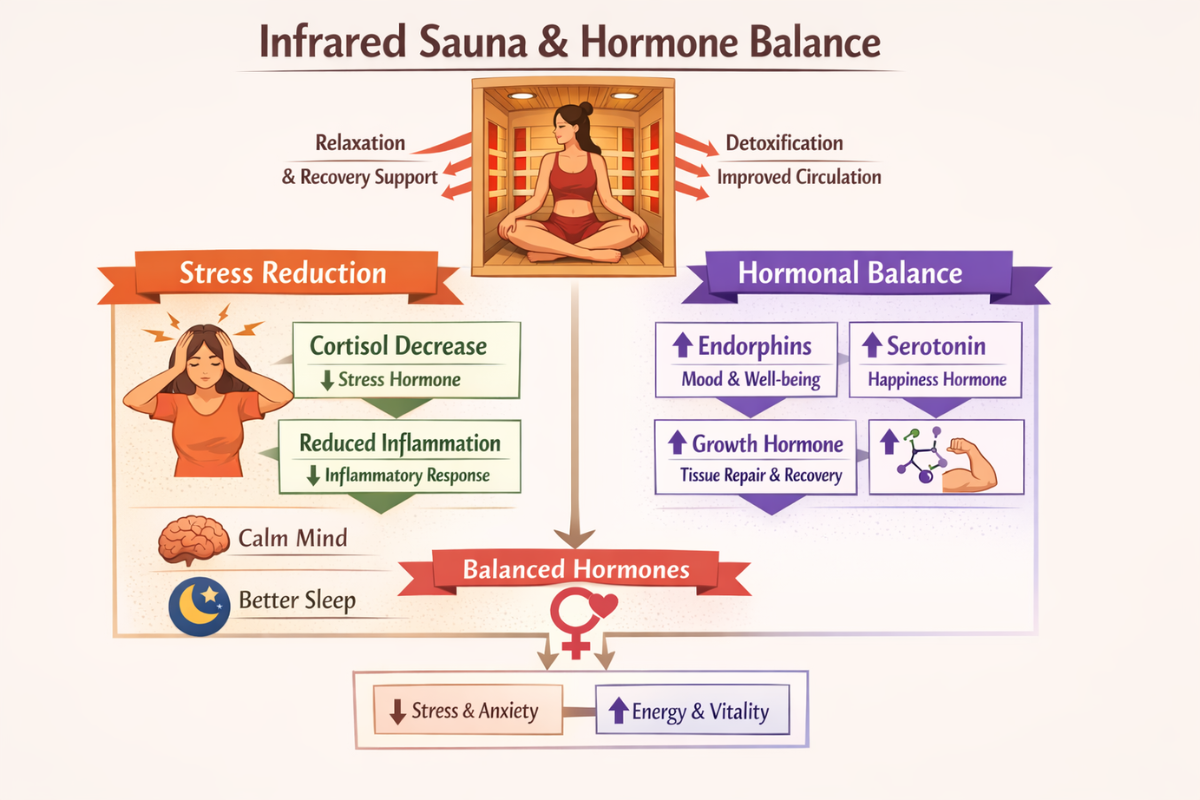
Heat exposure has been shown to influence autonomic nervous system activity, potentially nudging the body toward a calmer state. According to a clinical overview from the Mayo Clinic on stress physiology, interventions that promote relaxation can help counteract prolonged sympathetic activation.
This sets the stage for understanding how infrared sauna heat may play a supportive role.
Why Infrared Heat Feels Different Than Traditional Sauna Heat
Infrared saunas operate at lower ambient temperatures than traditional steam or Finnish saunas, yet many people describe the experience as deeply relaxing. This difference matters—especially for individuals sensitive to overstimulation.
Instead of heating the air, infrared panels emit radiant energy that penetrates the skin and warms tissues more directly. This creates a gentler, more tolerable heat profile for longer sessions.
- Typical infrared sauna temperatures: 110–150°F
- Lower cardiovascular strain compared to high-heat saunas
- Reduced sensation of breathlessness or pressure
- More gradual rise in core body temperature
From a nervous system perspective, this slower, steadier heat exposure may help reduce sensory overload—an important consideration for people with anxiety.
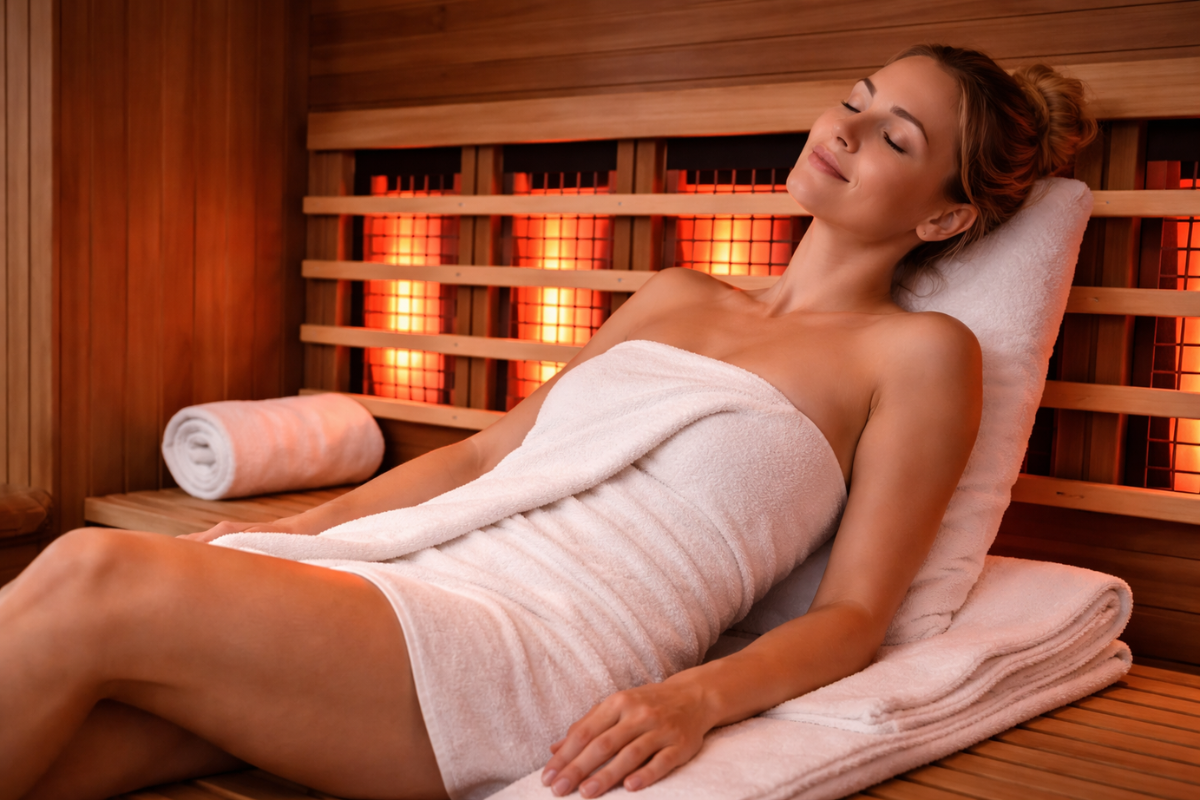
Research summarized by the National Institutes of Health (NIH) notes that passive heat exposure can influence cardiovascular and autonomic responses in ways similar to light physical activity—without the added exertion.
This unique combination of warmth without excessive stress may explain why infrared sauna sessions are often described as calming rather than stimulating.
How Infrared Sauna Sessions May Support Stress and Anxiety Relief
While infrared saunas are not a treatment for anxiety disorders, their physiological effects overlap with several mechanisms known to support relaxation and emotional regulation.
Potential supportive pathways include:
- Parasympathetic activation: Heat exposure may encourage the body to shift out of fight-or-flight mode
- Muscle relaxation: Warmth can reduce physical tension that feeds anxious sensations
- Improved circulation: Enhanced blood flow may promote a sense of bodily calm
- Quiet sensory environment: Infrared saunas are often silent and dimly lit

A review indexed on PubMed examining whole-body hyperthermia suggests that controlled heat exposure may influence mood-regulating pathways, including those related to serotonin and endorphins. These effects are subtle and cumulative, rather than immediate or dramatic.
For many users, the benefit comes not from a single session, but from the ritual itself—setting aside uninterrupted time to slow down, breathe, and disengage from constant stimulation.
If you’re new to infrared sauna use, it can be helpful to first understand the broader wellness benefits and safety considerations outlined on our Infrared Sauna Benefits page.
What to Expect During and After Infrared Sauna Sessions
One of the most common questions around using an infrared sauna for anxiety is what the experience actually feels like. While responses vary, there are several patterns that tend to show up consistently when sessions are approached gently and consistently.
During a typical session, many users notice:
- A gradual sense of warmth rather than intense heat
- Muscles loosening within the first 10–15 minutes
- Slower, deeper breathing as the session progresses
- A reduced urge to multitask or check devices

After sessions, people often describe a “post-heat calm” that can last anywhere from 30 minutes to several hours. This may include mental clarity, reduced restlessness, or an easier transition into evening relaxation.
According to guidance from the Cleveland Clinic on infrared sauna use, these effects are generally linked to relaxation responses rather than detoxification claims or dramatic neurological changes.
Importantly, expectations matter. Infrared sauna use is best viewed as a supportive practice—not an instant fix. Benefits tend to emerge gradually as sessions become a regular part of a wellness routine.
Session Length, Frequency, and Heat Levels for Stress Support
When anxiety or stress is the primary concern, moderation is key. Longer or hotter sessions are not necessarily better—and may be counterproductive for sensitive nervous systems.
General starting guidelines often include:
- Temperature: 110–130°F for beginners
- Session length: 15–25 minutes
- Frequency: 2–4 sessions per week
- Progression: Gradual increases based on comfort
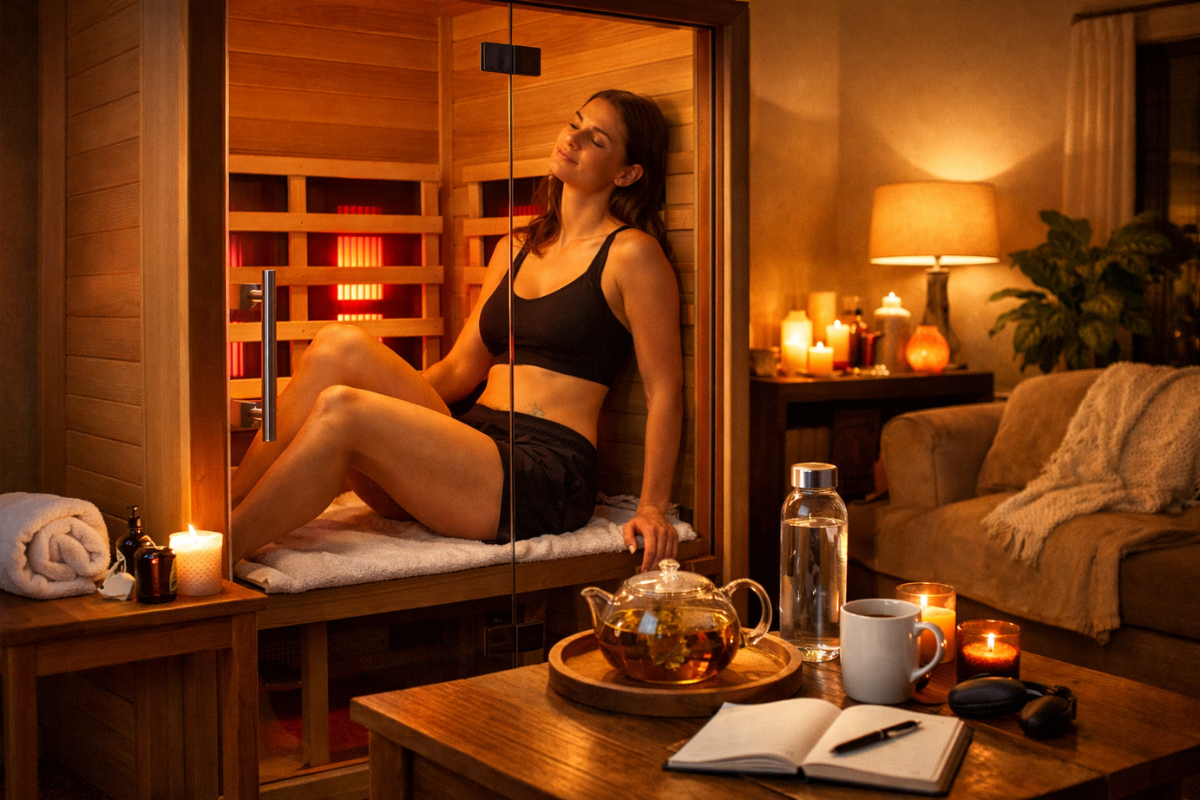
People dealing with anxiety often respond better to shorter, more consistent sessions rather than infrequent, high-intensity exposure. This approach minimizes overstimulation and supports nervous system regulation.
The Mayo Clinic’s overview of relaxation techniques emphasizes consistency and predictability as key factors in calming stress responses—principles that apply equally to sauna use.
If you’re unsure how infrared sauna sessions fit into your overall routine, browsing educational posts in our Infrared Sauna Blog can provide additional context.
Safety Considerations and When to Use Caution
Although infrared saunas are generally well tolerated, anxiety-prone individuals may need to take extra care—especially early on.
Situations that call for caution include:
- Panic disorder with heat sensitivity
- History of dizziness or fainting
- Dehydration or electrolyte imbalance
- Use of medications affecting blood pressure

Starting low and slow, staying well hydrated, and exiting the sauna at the first sign of discomfort are essential practices. Anxiety symptoms should never be pushed through.
For personalized guidance or safety-related questions, you can always reach out through our Contact page.
How Infrared Sauna Compares to Other Stress-Relief Tools
Infrared sauna use is often one component of a broader stress-management strategy. Understanding how it compares to other approaches can help set realistic expectations.
| Approach | Primary Benefit | Effort Required | Sensory Load |
|---|---|---|---|
| Infrared Sauna | Physical relaxation, calming warmth | Low | Low |
| Meditation | Mental focus and emotional regulation | Moderate | Low |
| Exercise | Stress hormone reduction | High | Moderate–High |
| Breathwork | Nervous system regulation | Low–Moderate | Low |
Infrared sauna sessions tend to appeal to people who want a passive way to relax—especially on days when mental effort feels exhausting. However, they are most effective when paired with foundational practices like sleep hygiene and stress awareness.
How Infrared Sauna Use Fits Into a Real-World Stress-Relief Routine
For anxiety and stress relief, infrared sauna sessions work best when they are integrated intentionally into daily or weekly routines. Rather than being treated as a performance tool, they function more like a transition ritual—helping the nervous system shift gears.
Common real-world use patterns include:
- Evening wind-down: 20 minutes before dinner or bedtime to reduce mental noise
- Post-work decompression: A buffer between work stress and home life
- Low-stimulus mornings: Gentle heat paired with breathing before a demanding day
- Non-exercise recovery days: Supporting relaxation without physical exertion

People who benefit most tend to treat the sauna as protected time—no phone, no news, no multitasking. This environmental quiet is often just as important as the heat itself.
For broader context on how infrared sauna fits into long-term wellness planning, our Infrared Sauna Buyer’s Guide outlines use cases across different lifestyles and home setups.
Who Infrared Sauna Use Is Best Suited For
Infrared sauna use is not universally calming for everyone. Understanding whether you’re a good candidate helps avoid frustration and unnecessary discomfort.
You may be a good fit if you:
- Experience stress-related muscle tension
- Feel mentally overstimulated but physically fatigued
- Prefer passive relaxation over effort-based practices
- Respond well to warmth and low-light environments
You may want to proceed cautiously or skip sessions if you:
- Have panic symptoms triggered by heat or enclosed spaces
- Struggle with dehydration or heat intolerance
- Expect immediate or dramatic anxiety relief
As noted by the National Institute of Mental Health, anxiety management is highly individualized. Supportive tools should complement—not replace—professional care when needed.
Ways to Enhance the Stress-Relief Benefits of Infrared Sauna Sessions
Small adjustments can significantly influence how calming an infrared sauna session feels—especially for anxiety-prone users.
Helpful enhancements include:
- Dim or indirect lighting to reduce sensory input
- Slow nasal breathing or extended exhale breathing
- Comfortable seating with back support
- Cool water nearby to maintain hydration
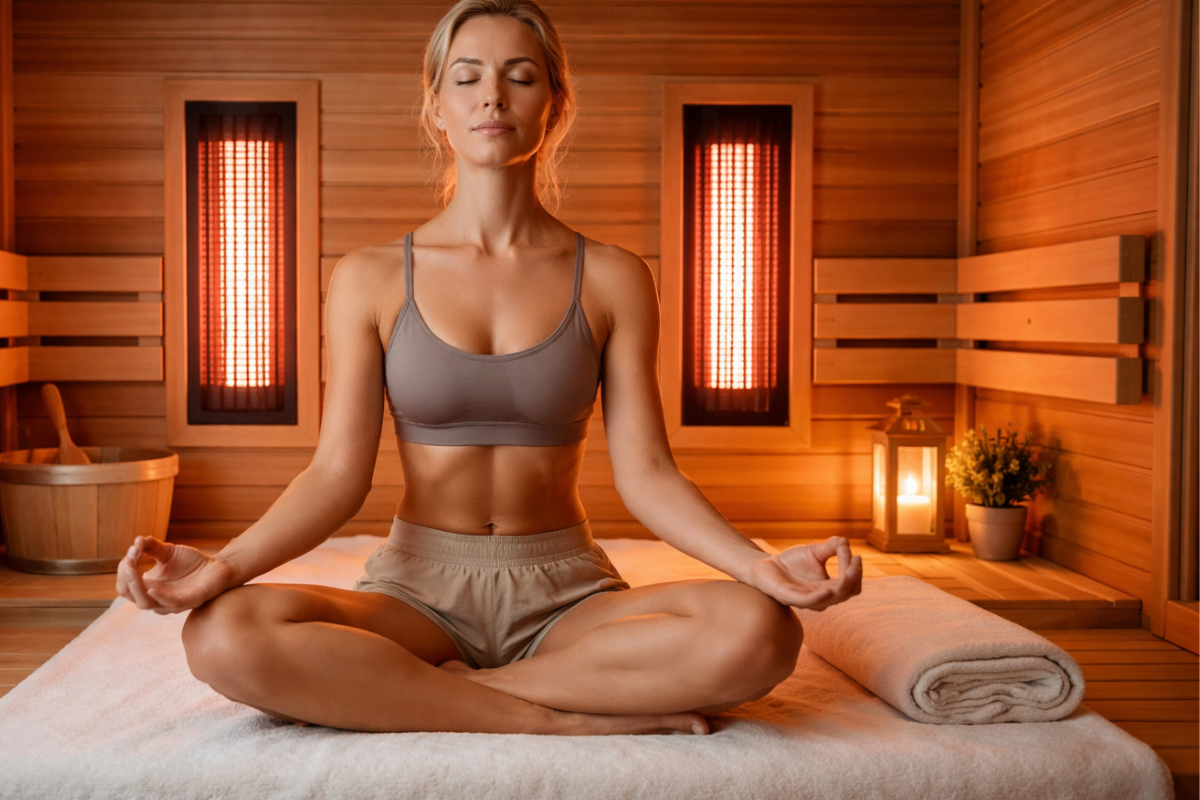
Many people also find benefit in consistency—using the sauna on predictable days and times. This regularity helps condition the nervous system to associate sessions with safety and calm.
Additional wellness-focused strategies are covered in our educational Infrared Sauna Blog.
A Simple Way to Decide if Infrared Sauna Use Is Right for You
If you’re still unsure whether an infrared sauna makes sense for anxiety or stress relief, this simplified framework can help clarify expectations.
- If your stress feels physical (tight muscles, restlessness) → infrared sauna may help
- If your anxiety is heat-sensitive → start very low or consider alternatives
- If you want a passive calming tool → sauna sessions fit well
- If you need immediate symptom relief → expectations may not align
Viewed realistically, infrared sauna use functions best as a supportive environment for calming—not a standalone solution.
Can Infrared Sauna Use Help Calm Anxiety and Chronic Stress?
Infrared sauna use isn’t a cure for anxiety—but when approached thoughtfully, it can be a supportive tool for calming the nervous system and reducing stress-related tension. The gentle, radiant heat creates an environment that encourages physical relaxation, slower breathing, and mental quiet, all of which matter when anxiety is driven by chronic overstimulation.
For many people, the value lies less in dramatic outcomes and more in consistency. Short, predictable sessions at comfortable temperatures can help reinforce a sense of safety and calm over time. Just as importantly, infrared sauna use works best when paired with realistic expectations, proper hydration, and awareness of individual sensitivity to heat.
If you’re exploring infrared sauna use as part of a broader wellness strategy, the next step is understanding the different sauna types, safety considerations, and home setups available today.
Next step: explore your options
Learn how different infrared saunas compare, who they’re best for, and how to choose safely. See the 2025 Infrared Sauna Buyer’s Guide →
