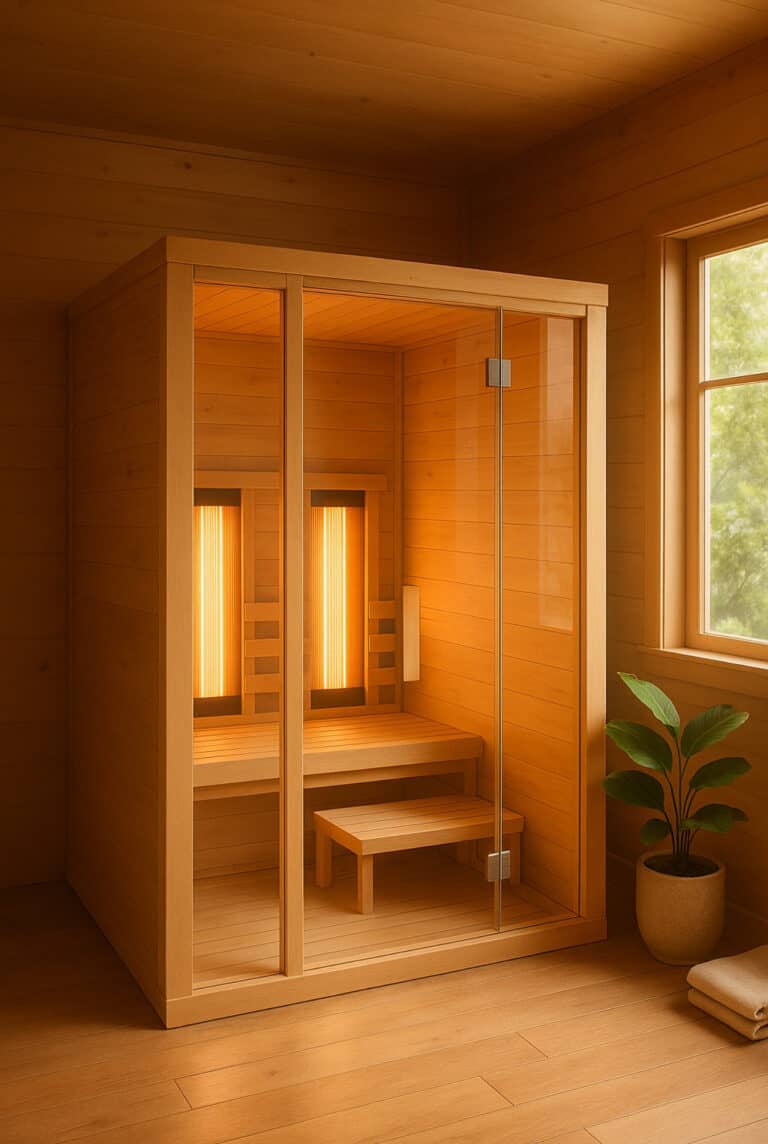
Infrared Sauna for Sleep: Can Heat Therapy Improve Your Rest?
Published: July 30, 2025
Last updated: December 9, 2025

If you struggle to unwind at night, you’re not alone. Busy days, blue light, and constant stress can make it hard to fall asleep—and even harder to stay asleep. 😴 Many people are turning to infrared sauna sessions as part of an evening wind-down routine, but does heat therapy really help with sleep, or is it just a wellness trend?
This guide breaks down how body temperature and circadian rhythms interact, what happens to your nervous system in an infrared sauna, and how to structure a “sleep-friendly” sauna routine. You’ll also learn who should be more cautious and how to troubleshoot if sauna sessions seem to make your sleep worse instead of better.
Along the way, we’ll connect this topic back to the broader benefits of infrared saunas and point you to our main resources, including the Infrared Sauna Benefits page and our in-depth Infrared Sauna Buyer’s Guide so you can choose a setup that fits your space, budget, and sleep goals.
How Sleep and Body Temperature Work Together
Your sleep–wake cycle isn’t just about light and darkness. Your core body temperature also follows a daily rhythm. It tends to be higher during the day when you’re active and then gradually drops in the evening, which helps signal your body that it’s time to sleep.
As bedtime approaches, your brain and nervous system promote cooling by sending more blood to the skin, slightly lowering your core temperature. That subtle drop is one of the cues your body uses to feel drowsy, relax your muscles, and ease into deeper stages of sleep.
Anything that dramatically spikes your temperature right before bed—like an intense workout or a very hot bath at the wrong time—can temporarily delay this natural cooling curve. On the other hand, the right kind of heat exposure, timed properly, may actually support your body’s ability to cool down afterward and make you feel more ready for sleep. That’s where an infrared sauna session can potentially fit in. 🌙
- Daytime: higher core temperature, more alertness
- Evening: gradual cooling, more melatonin and sleepiness
- Goal with sauna: use heat earlier in the evening so you can cool down before bed
What an Infrared Sauna Does to Your Body Before Bed
Infrared saunas use light-based heat that penetrates more deeply into tissues than traditional hot air alone. You’ll still feel warm on the surface, but the heat effect is more focused on muscles, joints, and circulation rather than just the air around you.
During an evening session, several sleep-relevant things happen at once:
- Core temperature rises temporarily, followed by a gradual cooling period once you step out.
- Parasympathetic “rest and digest” activity may increase as your muscles relax and your breathing slows.
- Muscle tension and joint stiffness often ease, which can make finding a comfortable sleep position easier.
- Stress perception may decrease as you step away from screens, noise, and stimulation.

The combination of a temporary warming effect followed by cooling, plus a deliberate relaxation ritual, is what makes infrared sauna particularly interesting as a potential tool for improving sleep quality.
Potential Sleep Benefits of Infrared Sauna 😴
Everyone’s body is different, and infrared saunas are not a cure for chronic insomnia or untreated medical conditions. That said, many users report meaningful changes in how they fall asleep and how rested they feel in the morning when they use a sauna consistently.
Potential sleep-related benefits may include:
- Falling asleep faster: A calming pre-bed routine can help your brain shift out of “work mode.”
- Deeper, more restorative sleep: Relaxed muscles and reduced stress can support deeper stages of sleep.
- Fewer nighttime awakenings: Less tension and discomfort may reduce the tossing and turning that wakes you up.
- Less perceived stress at night: Time alone in a warm, low-stimulus environment can feel like a reset button.
- Improved overall recovery: When sleep quality improves, so does physical recovery and mood the next day.
For a broader look at how heat therapy supports mood, circulation, and recovery (not just sleep), you can explore our full Infrared Sauna Benefits guide after you finish this article.
Best Timing for Infrared Sauna to Support Sleep
Timing is one of the most important variables when you’re using an infrared sauna to help sleep. The goal is to let your body warm up and then fully cool down again before you get into bed.
A common starting point is to schedule your sauna session about 60–120 minutes before your target bedtime. That window gives you enough time to cool off, hydrate, and move through the rest of your nightly routine without feeling too hot or overstimulated.
- Too early (afternoon): Still helpful for stress, but less directly tied to your sleep cues.
- Ideal window: Roughly 1–2 hours before bed.
- Too late (right before bed): You may feel wired, flushed, or uncomfortable as you try to fall asleep.
Start with shorter sessions—around 10–20 minutes for most people—and see how your body responds. If you feel groggy, too warm, or overstimulated, adjust your timing earlier in the evening or shorten the session.
Remember: If you have any cardiovascular, blood pressure, or other medical concerns, it’s wise to talk with a healthcare professional before adding heat therapy to your routine.
How to Structure a Sleep-Friendly Infrared Sauna Session
A calm, predictable routine helps your brain associate the sauna with winding down instead of ramping up. Here’s a simple framework to build a “sleep-friendly” infrared sauna session:
- Step 1 – Pre-hydrate: Drink a glass of water (optionally with electrolytes) 15–30 minutes before your session.
- Step 2 – Choose a gentle temperature: Many people do well in the 110–130°F (43–54°C) range for evening sessions, but always follow your device’s guidelines.
- Step 3 – Keep sessions moderate: Start with 10–20 minutes and only increase as your body adapts.
- Step 4 – Lower stimulation: Instead of scrolling on your phone, focus on soft music, breathing exercises, or simple stretching.
- Step 5 – Cool down slowly: After stepping out, let your body cool naturally, then take a lukewarm shower if desired.
- Step 6 – Transition into bedtime: Dim the lights, avoid screens, and keep the rest of your routine calm and predictable.

Think of your sauna time as the “bridge” between a busy day and a restful night, not the final stop right before your head hits the pillow.
Pairing Infrared Sauna with Healthy Sleep Habits
An infrared sauna can be a powerful tool, but it works best when it’s layered on top of basic sleep hygiene. Rather than relying on heat alone, combine your sessions with other evidence-based sleep practices.
- Light: Dim overhead lights after your sauna and avoid bright screens close to bedtime.
- Environment: Keep your bedroom cool, dark, and quiet to support that natural nighttime temperature drop.
- Routine: Aim for the same sleep and wake times most days to stabilize your circadian rhythm.
- Caffeine and alcohol: Be mindful of stimulants and late-night drinks that can fragment sleep.
- Stress management: Pair your sauna with journaling, gentle stretching, or breathwork to offload mental tension. 🧘♀️
If you’re just getting started with infrared heat and want a clearer sense of the broader health effects beyond sleep, you can explore our benefits overview and then move on to the Buyer’s Guide when you’re ready to compare specific models.
Infrared Sauna vs Other Nighttime Relaxation Tools
Infrared sauna is just one option for relaxing before bed. It can work well alongside—or sometimes instead of—other common nighttime strategies. Here’s a simple comparison to help you see where it fits.
| Strategy | How It Helps | Pros | Considerations | Best For |
|---|---|---|---|---|
| Infrared sauna | Warms muscles and tissues, promotes relaxation, followed by cooling period | Full-body relaxation, circulation support, “ritual” feel | Requires equipment, heat may be too intense for some | People who like heat, recovery, and structured routines |
| Warm bath or shower | Raises skin temperature, then supports cooling afterward | Easy and accessible, no special equipment | Short-lived effects, less targeted heat | Anyone who wants a quick, simple wind-down |
| Gentle stretching / yoga | Releases muscle tension, calms the nervous system | Low-cost, can do in small spaces | Requires a bit of guidance and consistency | People who enjoy movement-based relaxation |
| Meditation / breathwork | Reduces stress, slows heart rate and breathing | No equipment needed, can combine with sauna | Some find it hard to start or stay consistent | Those who want mental as well as physical calm |
Many people find the best approach is a combination—for example, 15 minutes in the infrared sauna followed by light stretching and a short breathing practice before bed.
Real-Life Sleep Routines Using Infrared Sauna
Putting everything together can feel easier when you see examples. Here are a few sample routines that show how different people might incorporate infrared sauna into their evenings.
- The Busy Professional: Finishes work at 6:00 p.m., eats dinner, then does a 15-minute sauna session at 8:30 p.m., followed by a lukewarm shower, herbal tea, and lights-out by 10:30 p.m.
- The Sore Athlete: Trains in the late afternoon, eats a recovery meal, then uses the sauna for 20 minutes around 7:30 p.m. to ease muscle soreness, stretches lightly, and keeps screens off for the last hour of the night.
- The Stressed Parent: Puts the kids to bed, then uses a 10–15 minute sauna session around 9:00 p.m. while listening to calming music, followed by journaling and reading a physical book in a dim room.

You can adapt these frameworks to your schedule, energy levels, and personal preferences. The most important piece is consistency—your brain learns to associate your infrared sauna and wind-down routine with sleep over time.
Who Should Be Cautious with Evening Infrared Sauna
Infrared saunas are generally well-tolerated for many healthy adults, but they are still a form of heat stress. Some people should be more cautious, especially when using them later in the day.
- People with heart or blood pressure conditions: Heat can temporarily affect heart rate and circulation.
- Those who are pregnant: High heat exposure is usually discouraged during pregnancy.
- Individuals prone to dizziness or dehydration: Sauna use may increase these sensations if you overheat or under-hydrate.
- Those with uncontrolled sleep disorders: If you have severe insomnia, sleep apnea, or other issues, talk with a clinician first.
This article is for general wellness education only and is not medical advice. If you have medical conditions, take prescription medications, or are unsure whether heat therapy is appropriate for you, check with a healthcare professional before using an infrared sauna, especially in the evening.
If you have questions about how to interpret general sauna safety guidance, you can always reach out through our Sauna Sage contact page for clarification on the educational resources we provide.
Safety Tips for Nighttime Infrared Sauna Use
To get the most out of your evening sauna sessions while staying safe, keep these practical tips in mind:
- Start low and slow: Begin with shorter sessions and lower temperatures, then adjust only if you feel comfortable.
- Hydrate before and after: Sip water or an electrolyte drink before your session, and continue afterward.
- Avoid alcohol and heavy meals: Both can change how your body responds to heat and may disrupt sleep.
- Listen to your body: If you feel dizzy, nauseated, or unwell, end the session immediately and cool down.
- Give yourself cool-down time: Let your skin and core temperature come down before you get into bed.

Used thoughtfully, an infrared sauna can be a soothing night ritual rather than a source of extra stress on your body.
Troubleshooting When Infrared Sauna Hurts Your Sleep
Not everyone sleeps better right away when they add infrared sauna to their routine. If your sleep gets worse, don’t ignore those signals—use them as data and adjust.
- You feel wired at bedtime: Move your sauna session earlier, shorten the duration, or lower the temperature.
- You wake up overheated at night: Make sure your bedroom is cool, reduce session length, and allow more cool-down time.
- You feel dehydrated or get headaches: Increase water and electrolyte intake before and after sessions.
- Your heart rate feels too high: End the session, rest, and discuss with a clinician if it happens repeatedly.
Track how you feel the next morning as well as at bedtime. If adjusting timing, temperature, and hydration doesn’t help, consider pausing sauna use in the evenings and experimenting with daytime sessions instead.
For a more complete perspective on how infrared sauna fits into overall wellness—not just sleep—bookmark our Infrared Sauna Blog index, where we cover benefits, safety, product comparisons, and practical protocols.
Bringing Infrared Sauna into Your Nightly Wind-Down
Infrared sauna isn’t a magic sleep switch—but when you use it with intention, it can become a powerful part of a calming evening ritual. By gently warming your body, easing muscle tension, and giving your mind a predictable “off-ramp” from the day, it may help you fall asleep faster and wake up feeling more restored. 🌙
The keys are timing (typically 1–2 hours before bed), moderation (short sessions at comfortable temperatures), and consistency (pairing your sauna time with other healthy sleep habits). Pay attention to how you feel, adjust slowly, and involve a healthcare professional if you have underlying conditions or concerns.
If you’re ready to explore infrared options that can support better sleep and recovery, your next stop is our in-depth Infrared Sauna Buyer’s Guide, where we compare domes, portable tents, indoor cabins, and outdoor models side by side.
From there, you can dive deeper into specific benefits, safety tips, and user-friendly protocols through the rest of the Sauna Sage blog—and build a sleep-supportive heat routine that fits your life, not the other way around.